Category Archives: Chemotherapy

β-Elemene

Cancer: Lung, malignant ascites, glioblastoma, gastric

Action: Anti-tumoral., chemotherapy support

Ingredients: Mixed liquid of β-, γ-, δ-elemene.

Indications: Increases the therapeutic effect and lowers the toxic and side-effects of radiotherapy and chemotherapy when in combination with routine regiments of radiotherapy or chemotherapy for lung cancer, liver cancer, esophageal cancer, nasopharyngeal cancer, brain tumors, metastatic bone cancer and other malignancies. It can also be used for intervention, intracavitary chemotherapy and pleural effusion or ascites caused by cancer.

Dosage and usage:

Intravenous injection: 0.4-0.6 g, once daily, 2-3 weeks as a course of treatment.

Pleural injection: 300 ml + 10 ml of 2% procaine. The treatment can be repeated once after 5-7 days if the pleural effusion does not reduce.

Abdominal injection: 500 ml + 10 ml of 2% procaine, 1-2 times every week for 2 consecutive weeks.

Topical administration: 25-50 mg, once daily, 5-10 times as a course of treatment.

Arterial infusion: 300-400 mg once.

Elemene Injection is made from mixed liquid of β-, γ-, δ-elemene. It can increase the therapeutic effect and lower the toxicity and side-effects of radiotherapy and chemotherapy when combined with routine regiments of radiotherapy or chemotherapy for lung cancer, liver cancer, esophageal cancer, nasopharyngeal cancer, brain tumors, metastatic bone cancer and other malignancies. It can also be used for intervention, intraperitoneal chemotherapy, and pleural effusion or ascites caused by cancer (Drug Information Reference in Chinese: See end. 2000-12).

NSCLC; Chemotherapy

Randomized controlled trials (RCTs) of elemene injection combined with cisplatin chemotherapeuties in treating small cell lung cancer (NSCLC) were collected by Xu et al., (2013). Their meta-analysis results suggested that compared with cisplatin chemotherapy alone, the combination of elemene injection and cisplatin chemotherapeutics showed a higher clinical benefit rate (OR = 2. 03, 95% CI:1.43-2. 88, P <0. 000 1) and a better quality of life (OR = 3.23, 95% CI:2. 20-4. 74, P <0. 000 01). As well, the combination could also reduce leucopenia (OR =0. 50, 95% CI:0. 33-0. 76, P <0. 001), and thrombocytopenia (OR =0. 38, 95% CI:0. 16-0. 85, P <0. 02), increase CD4 (MD = 3.32, 95% C1:2. 94-3.70, P <0. 000 01), and CD4/CD8 (MD = 0. 36, 95% CI:0. 28-0. 44, P < 0. 000 01), and relieve gastrointestinal reactions such as nausea and vomiting (OR = 0. 37, 95% CI: 0. 19-0. 71, P = 0. 003).

The analysis indicates that elemene can enhance the chemotherapeutic effect on NSCLC, improve the quality of life, and reduce adverse effect of platinum-contained chemotherapeutics, thereby being worth promoting in clinic.

Lung Cancer

Randomized controlled clinical trials related to the use of β>-elemene injection, as an adjunctive treatment for lung cancer, were retrieved from the Chinese Biomedical (CBMweb), Chinese Medical Current Content (CMCC), China National Knowledge Infrastructure (CNKI), ChinaInfo, Cochrane Central Register of Controlled Trials; MEDLINE, EMBASE, OVID and TCMLARS databases.

A total of 21 source documents (1,467 patients) matched pre-specified criteria for determining the effectiveness and safety of β>-elemene injection as an adjunctive treatment for lung cancer. Five studies involving 285 NSCLC patients reported a higher 24-month survival rate (39.09%) with the adjunctive treatment than with chemotherapy alone (26.17%; RR, 1.51; 95% CI, 1.03 to 2.21). Four studies involving 445 patients reported that the increased probability for improved performance status for patients treated with elemene-based combinations was higher than that of patients treated with chemotherapy alone (RR, 1.82; 95% CI, 1.45 to 2.29).

The results from a subgroup analysis on 12 studies involving 974 NSCLC patients and 9 studies involving 593 patients with both SCLC and NSCLC showed that the tumor control rate for NSCLC improved more in the elemene-based combinations treatment group (78.70%) than in the chemotherapy alone control group (71.31%; RR, 1.06; 95% CI, 1.00 to 1.12). The tumor response rate for NSCLC also improved more among patients treated with elemene based combinations (50.71%) than among patients treated with chemotherapy alone (38.04%; RR, 1.34; 95% CI, 1.17 to 1.54). The effectiveness of chemotherapy for the treatment of lung cancer may improve when combined with β-elemene injection as an adjunctive treatment. The combined treatment can result in an improved quality of life and prolonged survival (Wang et al., 2012).

Malignant Ascites

The effective combination therapy for malignant ascites, the therapeutic value of the combination of Endostar, a modified recombinant human endostatin, and β-elemene, an active component of a traditional Chinese herb, in an H22 mouse malignant ascites model was investigated by Jiang et al. (2012). The results of this study revealed that the combination therapy had significant synergistic effects on the inhibition of ascites formation and a deceased number of tumor cells and protein levels in ascites compared with the results of treatment with a single agent. A decreased peritoneal microvascular permeability and reduction in VEGF, MMP-2 and hypoxia inducible factor 1α(HIF1α) was noted in the combination group, when compared with single agent treatment.

These studies found that in the ascitic tumor cells, the protein levels of VEGF and MMP-2, as well as levels of VEGF mRNA, were significantly inhibited by the combination therapy. The potentiating effects of the combination of Endostar with β-elemene suggest that this novel therapy may yield an effective therapy for the treatment of malignant ascites.

Glioblastoma

Anti-proliferation of glioblastoma cells induced by beta-elemene was dependent on p38 MAPK activation. Treatment of glioblastoma cell lines with beta-elemene, led to phosphorylation of p38 MAPK, cell-cycle arrest in G0/G1 phase and inhibition of proliferation of these cells. Inhibition of p38 MAPK reversed beta-elemene-mediated anti-proliferation effect. Furthermore, the growth of glioblastoma cell-transplanted tumors in nude mice was inhibited by intraperitoneal injection of beta-elemene (Yao et al., 2008).

Breast Cancer; Chemotherapy

Beta-elemene had synergistic effect with Paclitaxel, and its possible mechanism might be correlated with down-regulating the cell-cycle protein cyclin-B1 expression and up-regulating the P27(kip1) expression. Beta-elemene (20 and 40 microg/mL respectively) and Paclitaxel (0.016 and 0.008 microg/mL respectively) synergistically inhibited cell proliferation of MB-468 breast cancer cells, with Q value > 1.15. Beta-elemene alone (52.59 microg/mL) apparently decreased the expression of cyclin-B1 protein. The expression of cyclin-B1 protein in the combined group was also lower than that in the PI group (1.698 microg/mL). The expression of P27(kip1) was up-regulated when compared with that in the betaI group or the PI group (Cai et al., 2013).

Gastric Cancer

TCM therapy applied in the 34 patients assigned in the TCM group (group I) included intravenous injection of Cinobufotalin, beta-elemene, or orally taking of anti-cancer Chinese herbs. The same TCM was also applied in the 36 patients of the combined treatment group (group II), but in combined use of FOLFOX chemotherapeutic protocol.

The median survival period in group II was 31 months, while it was 30 months in group I; the 1-, 2-, 3-year survival rates in group II were 88.89%, 84.38% and 59.26%, and those in the group I were 82.35%, 71.43% and 65.00%, respectively with insignificant difference between the two groups (chi2 = 0.298, P > 0.05); QOF in group I was significantly superior to that in group II (P < 0.05), and the adverse reaction occurrence was significantly less in group I than that in group II.

Chinese medicine treatment can improve the QOF and prolong the survival period of patients with progressive gastric cancer with few side-effects (Liu et al., 2008).

References

Jiang, Z.Y., Qin, S.K., Yin, X.J., Chen, Y.L., Zhu, L. (2012). Synergistic effects of Endostar combined with β-elemene on malignant ascites in a mouse model. Exp Ther Med, 4(2):277-284.

Liu X, Hua BJ. (2008). Effect of traditional Chinese medicine on quality of life and survival period in patients with progressive gastric cancer. Zhongguo Zhong Xi Yi Jie He Za Zhi, 28(2):105-7.

Wang, B., Peng, X.X., Sun, R., Li, J., Zhan, X.R., Wu, L.J., Wang, S.L., & Xie, T. (2012). Systematic review of β-elemene injection as adjunctive treatment for lung cancer. Chinese Journal of Integrative Medicine, 18(11), 8313-823.

Xu, X.W., Yuan, Z.Z., Hu, W.H., Wang, X.K. (2013). Meta-analysis on elemene injection combined with cisplatin chemotherapeutics in treatment of non-small-cell lung cancer. Zhongguo Zhong Yao Za Zhi, 38(9):1430-7.

Yao, Y.Q., Ding, X., Jia, Y.C, et al. (2008). Anti-tumor effect of beta-elemene in glioblastoma cells depends on p38 MAPK activation. Cancer Lett, 264(1):127-34. doi: 10.1016/j.canlet.2008.01.049.

β-Elemene

Cancer: Lung

Action: Anti-tumoral., chemotherapy support

Lung Cancer

Randomized controlled clinical trials related to the use of β-elemene injection, as an adjunctive treatment for lung cancer, were retrieved from the Chinese Biomedical (CBMweb), Chinese Medical Current Content (CMCC), China National Knowledge Infrastructure (CNKI), ChinaInfo, Cochrane Central Register of Controlled Trials; MEDLINE, EMBASE, OVID and TCMLARS databases.

A total of 21 source documents (1,467 patients) matched pre-specified criteria for determining the effectiveness and safety of β-elemene injection as an adjunctive treatment for lung cancer. Five studies involving 285 NSCLC patients reported a higher 24-month survival rate (39.09%) with the adjunctive treatment than with chemotherapy alone. Four studies involving 445 patients reported that the increased probability for improved performance status for patients treated with elemene-based combinations was higher than that of patients treated with chemotherapy alone. The results from a subgroup analysis on 12 studies involving 974 NSCLC patients and 9 studies involving 593 patients with both SCLC and NSCLC showed that the tumor control rate for NSCLC improved more in the elemene-based combinations treatment group than in the chemotherapy alone control group. The tumor response rate for NSCLC also improved more among patients treated with elemene based combinations (50.71%) than among patients treated with chemotherapy alone.

The effectiveness of chemotherapy for the treatment of lung cancer may improve when combined with β-elemene injection as an adjunctive treatment. The combined treatment can result in an improved quality of life and prolonged survival (Wang et al., 2012).

Reference

Wang B, Peng XX, Sun R, Li J, Zhan XR, Wu LJ, Wang SL, Xie T. (2012). Systematic review of β-elemene injection as adjunctive treatment for lung cancer. Chinese Journal of Integrative Medicine, 18(11), 8313-823.

De Li Sheng Injection

Cancer: Lung

Action: Chemo-protective, chemo-enhancing

Ingredients: hong shen (processed/red Panax ginseng), huang qi (Astragalus membranaceus), sheng chan su (Bufo bufo gargarizans Cantor), sheng ban mao (crude Mylabris phalerata)

TCM functions: Invigorating qi, supporting Vital-qi, dissolving tumors and dispersing lumps.

Indications: qi deficiency and Blood stagnation type of primary liver cancer of middle and late stage.

Dosage and usage:

40-60 ml mixed with 500 ml of 5% glucose injection or normal saline for intravenous drip, once daily. In each course of treatment, the dosage of first treatment should be reduced to half and medicinal liquid should be diluted to no lower than 1:20, the speed should be no more than 15 drips every minute. 45 days as a course of treatment. A new course should begin after 1 one week”s interval.

Chemotherapy

A meta-analysis of 10 studies showed that, when Delisheng Injection combined with chemotherapy group was compared with chemotherapy group, the relative risk (RR) to the effective rate (CRPR) was 1.29 and 95% confidence interval (CI) was [1.11, 1.50]; RR to KPS scale improved rate was 1.81 and 95%CI was [1.53, 2.15]. The incidence of adverse reactions was lower in patients treated with Delisheng Injection combined with chemotherapy than in those treated with chemotherapy alone. Significant difference was noted in the incidence of alopecia, liver damage phlebitis, between the two groups of patients (Huang, Lai, & Ye, 2013).

Lung Cancer

Delisheng Injection (DLS) single-agent has a satisfying inhibition effect in PGCL3 cell line and DLS might enhance the inhibition effect of DDP on cancer metastasis. Research by Dong, et al., (2013) provided an experimental basis about the treatment on highly metastatic lung cancer.

NSCLC; Chemotherapy

There were significant differences observed in hematological toxicity and gastrointestinal toxicity and clinical symptoms (P < 0.05) between the control group, treated with only Gemcitabine and Platinum (GP), and the treatment group of combined Delisheng and GP. The change of the scores of the Karnofsky Performance Status scale (KPS) and body weight was significant in the treatment group compared with the control group (P < 0.05). The combination of Delisheng injection and (Gemcitabine and Platinum) GP can be used to treat non-small-cell lung cancer postoperatively, which can improve the clinical symptoms and reduce the toxicity during chemotherapy and enhance the patient”s tolerance to chemotherapy (Wu, Ye, & Xie, 2010).

The therapeutic effect of Delisheng (DLS) combined with chemotherapy is better than that of chemotherapy alone, in the treatment of patients with stage III-IV non-small-cell lung cancer. It can improve efficacy, quality of life, and reduce the side-effects of chemotherapy, while promoting hematopoiesis (Zhou & Ni, 2009).

767 participants (patients) in 10 homogeneous studies were included in randomly controlled trials that met the enrolling criteria. The meta-analysis of the 10 studies showed that, when Delisheng Injection combined with chemotherapy group was compared with chemotherapy group, the relative risk (RR) to the effective rate (CRPR) was 1.29 and 95% confidence interval (CI) was [1.11, 1.50]; RR to KPS scale improved rate was 1.81 and 95%CI was [1.53, 2.15].

The incidence of adverse reactions was lower in patients treated with Delisheng Injection combined with chemotherapy than in those treated with chemotherapy alone. Significant difference was noted in the incidence of alopecia, liver damage phlebitis, between the two groups of patients. Conclusion: Delisheng Injection combined with chemotherapy has beneficial effects in the treatment of NSCLC (Huang et al., 2013).

References

Dong, X-l., Gong, Y., Chen, Z-z. (2013). Delisheng injection  a Chinese medicinal compound, enhanced the effect of cis-platinum on lung carcinoma cell line PGCL3. Chinese Journal of Integrative Medicine.


Huang, Y.l., Lai, D., Ye, Y.(2013) A meta-analysis of Delisheng Injection combined with chemotherapy in the treatment of non-small-cell lung cancer. Lu Shou Yi Xue Yuan Xue Bao. 2013, 36(2): 139-144


Wu, X., Ye, Sy., Xie, Bl. (2010). Effect of Delisheng Injection with Chemotherapy on Reducing Toxicities in Postoperative Treatment for Non-Small-Cell Lung Cancer. Zhong Guo Zhong Xi Yi Jie He Wai Ke Za Zhi, 16(4): 412-414.


Zhou, J., Ni, S. (2009). The Therapy of DLS combined with chemotherapy in stage Ⅲ-Ⅳ non-small-cell lung cancer. Lin Chuang Fei Ke Za Zhi, 14(5): 642-644.

Multi-drug resistance

Multi-drug resistance in cancer chemotherapy refers to the ability of cancer cells to survive from treatment of a wide range of drugs (Meszaros et al., 2009).

In addition to the MDR induced by drugs in early exposure, the MDR cancer cells may subsequently develop cross-resistance to several unexposed and structurally unrelated chemotherapeutic agents (Biedler et al., 1970).

How to tackle the MDR cells in chemotherapy is a pressing issue in cancer treatments. Verapamil was the first known Pgp inhibitor to increase the intracellular concentration of anti-cancer agents in MDR cells by binding to Pgp and inhibiting the Pgp-mediated efflux (Twentyman, 1992). It was believed that anti-cancer drug resistance could be reversed by drug efflux inhibition. Researchers developed and tested a range of Pgp inhibitors to improve the pharmacological effects of chemotherapy in cancer patients (Tsuruo et al., 1981; Stewart et al., 2000; Toppmeyer et al., 2002).

Mechanisms of MDR include decreased uptake of drugs, alterations in cellular pathways and increased active efflux of drugs (Gottesman, 2002; La Porta, 2007; Watson, 1991).

Overexpression of ATP-binding cassette (ABC) transporters is one of the most common mechanisms. Overexpression of the three major ABC transporters, i.e. P-glycoprotein (Pgp), multi-drug resistance-associated protein 1 (MRP1) and breast cancer resistance protein (BCRP/ABCG2), is frequently observed in cancer cell lines selected with chemotherapeutic drugs (Szakacs et al., 2006) and critical to clinical drug resistance (Leonard, 2003).

Fractions from 17 clinically used anti-tumor traditional Chinese medicinal herbs were tested for their potential to restore the sensitivity of MCF-7/ADR and A549/Taxol cells to a known anti-neoplastic agent. Five herbs, Curcuma wenyujin, Chrysanthemum indicum, Salvia chinensis, Ligusticum chuanxiong Hort. and Cassia tora L., could sensitize these resistant cancer cells at a non-toxic concentration (10  µg mL–1), and markedly increased doxorubicin accumulation in MCF-7/ADR cells, which necessitates further investigations into the active ingredients of these herbs and their underlying mechanisms (Yang et al., 2011).

Natural sources are a fertile ground to find novel drugs with activity against MDR cancer cells. In some countries, especially China, traditional herbal medicines are often used together with mainstream chemotherapeutic agents. The clinically used traditional Chinese herbs for the treatment of tumor can be classified into four categories based on the theory of Traditional Chinese Medicine (TCM): drugs (CH group) for 'Clearing away Heat and Toxins', drugs (PB group) for 'Promoting Blood Flow to Remove Stasis', drugs for 'Invigoration' and toxic drugs. Drugs for 'Invigoration' have indirect anti-neoplastic action by enhancing an organism's immunity and have been used clinically to minimise radiotherapy- and chemotherapy-induced toxicity (Fu & Chen, 2008; Chai, To, Lin, 2010).

Some of the recent findings on the circumvention of ABC transporters-mediated MDR by various ingredients and extracts of CM and their formulae, based on whether the MDR reversal involved Pgp alteration, are reviewed below.

Saponins

Ginsenosides are the major active components from Panax ginseng (Renshen). Ginsenosides are mainly triterpenoid dammarane derivatives. Several ginsenosides, namely Rg1, Rg3, Re, Rc and Rd inhibited drug efflux (Kim et al., 2003). A combination of purified saponins containing Rb1, Rb2, Rc, Rd, Re and Rg1 reversed MDR whereas individual ginsenosides did not produce any effect (Park et al., 2006). Ginsenosides reversed MDR of several chemotherapeutic drugs such as homoharringtonine, cytarabine, doxorubicin and etoposide in K562/VCR and in a dose-dependent manner in K562/DOX (Gao et al., 2004).

Pgp expression decreased but bcl-2 expression remained the same (Wang, 2003). Rb1 reversed MDR of harringtonolide and vincristine in K562/HHT and HL60/VCR cell lines respectively (Shi et al. , 2005).

Panax notoginseng (Sanqi) total saponins reversed MDR of doxorubicin in MCF-7/DOX and K562/VCR cell lines. The mechanism may be related to the decrease of Pgp expression (Si & Tien, 2005; Liu, Liu, & Fang, 2008).

Rg3, one of the active ginsenosides from Panax ginseng, restored the sensitivity of resistant KBV20 cell line to various anti-cancer drugs, including vincristine, doxorubicin, etoposide and colchicine in a time-and dose-dependent manner. This ginsenoside competitively inhibited the binding of substrate drugs to Pgp and its binding affinity to Pgp was remarkably higher than that of verapamil. In contrast to the dose-dependent effects in vitro, Rg3 increased animal life span in an in vivo MDR model in a dose-independent manner (Kim et al., 2003).

Flavonoids

Quercetin is one of the most widely distributed flavonoids in natural products including Chinese medicinal herbs such as Sophora japonica (Huai). Quercetin inhibited the binding of heat shock factor at the MDR1 promoter, thereby decreasing MDR1 transcription and reducing Pgp expression (Kim et al., 1998). Quercetin also inhibited the overexpression of Pgp mediated by arsenite (Kioka et al., 1992). In HL-60/DOX and K562/DOX cell lines, quercetin enhanced the anti-cancer sensitivity to daunorubicin and decreased Pgp expression (Cai et al., 2004; Cai et al., 2005). MDR reversal effect of quercetin was probably mediated by its action on mitochondrial membrane potential and the induction of apoptosis. Furthermore, quercetin derivatives rather than quercetin itself reversed MDR (Kothan et al., 2004). Quercetin increased the sensitivity of Pgp-overexpressing KBV1 cell line towards vinblastine and paclitaxel in a dose-dependent manner. Among many active flavonoids, quercetin was less potent than kaempferol but more effective than genistein and daidzein in reversing MDR. Genistein and daidzein had no effect on Pgp expression (Limtrakul, Khantamat, & Pintha, 2005).

Although quercetin may be a potential MDR reversing agent, lethal drug-drug interaction between quercetin and digoxin has been reported. Quercetin (40 mg/kg) elevated the peak blood concentration of digoxin and caused sudden death of tested animals (Wang et al., 2004).

Paeonol is a weak calcium channel blocker isolated from the root of Paeonia suffruticosa (Mudan). In K562/DOX cell line, paeonol showed positive MDR reversal effect towards doxorubicin, daunorubicin, vincristine and vinblastine without modulating Pgp expression [100]. In parental K562 cells, paeonol induced apoptosis in a time-and dose-dependent manner (Sun et al., 2004).

Curcumin, the major component in Curcuma longa (Jianghuang), inhibited the transport activity of all three major ABC transporters, i.e. Pgp, MRP1 and ABCG2 (Ganta & Amiji, 2009). Curcumin reversed MDR of doxorubicin or daunorubicin in K562/DOX cell line and decreased Pgp expression in a time-dependent manner (Chang et al., 2006). Curcumin enhanced the sensitivity to vincristine by the inhibition of Pgp in SGC7901/VCR cell line (Tang et al., 2005). Moreover, curcumin was useful in reversing MDR associated with a decrease in bcl-2 and survivin expression but an increase in caspase-3 expression in COC1/DDP cell line (Ying et al., 2007). The cytotoxicity of vincristine and paclitaxel were also partially restored by curcumin in resistant KBV20C cell line (Um et al., 2008). Curcumin derivatives reversed MDR by inhibiting Pgp efflux (Um et al., 2008).

A chlorine substituent at the meta-or para-position on benzamide improved MDR reversal (Um et al., 2008). Bisdemethoxycurcumin modified from curcumin resulted in greater inhibition of Pgp expression (Limtrakul, Anuchapreeda, & Buddhasukh, 2004). Tetrahydrocurcumin, the major metabolite of curcumin, inhibited all three major ABC transporters (Limtrakul et al., 2007). Curcumin induced atypical and caspase-independent cell death in MDR cells (Piwocka, Bielak-Mijewska, & Sikora, 2002). In leukaemic cells collected from 78 childhood leukaemia patients, curcumin reduced Pgp expression (Anuchapreeda et al., 2006). A specialized nanoemulsion of curcumin is better than conventional solution form drugs in enhancing the efficiency of drug delivery into the cells, down-regulating Pgp expression, inhibiting the NFκB pathway and promoting apoptotic response (Choi et al., 2008).

Other Compounds

Schizandrins, the active constituents of Schisandra chinensis (Wuweizi), were investigated for their MDR reversal effects. Schizandrin A was the most potent in reversing MDR by enhancing apoptosis and down-regulating Pgp and total protein kinase C expression. The crude extract of Schisandra chinensis reversed the resistance against vincristine in vivo (Huang et al., 2008). Deoxyschizandrin and γ-schizandrin, among the nine dibenzo[a,c]cyclooctadiene lignans examined, enhanced intracellular drug concentration and induced cell-cycle arrest at the G2/M phase when combined with sub-toxic dosages of doxorubicin (Slaninová et al., 2009). Gomisin A, on the other hand, altered Pgp-substrate interaction by binding to Pgp simultaneously with substrates (Wan et al., 2006).

Formulae – injections (See Injectables)

'Shengmai Injection', consisting of Panax ginseng and Ophiopogon japonicus (Maidong), down-regulated Pgp expression in peripheral blood lymphocyte membrane. When used together with oxaliplatin, 5-fluorouracil or folinic acid, the injection prolonged the survival rate of colon cancer patients (Cao et al., 2005). The injection also enhanced the efficacy of tamoxifen and nifedipine in combination therapy (Lin et al., 2002).

'KLT Injection' consisting of the extract of Coix lacryma-jobi (Yiyi) enhanced the anti-cancer activities of paclitaxel and docetaxel and reversed MDR in a dose-dependent manner (Dong, Zheng, & Lu, 2002).

Formulae – powders

'Shenghe Powder', consisting of Panax ginseng, Scorophularia ningpoensis (Xuanshen) and Atractylodes macrocephala (Baizhu), increased the intracellular concentration of vincristine in resistant SGC-7901/VCR cell line, possibly due to the induction of apoptosis and down-regulation of Pgp and bcl-2 expression (Wang et al., 2007).

'Modified Sanwubai Powder', consisting of herbs such as Croton tiglium (Badou), Platycodon grandiflorum (Jiegeng) and Fritillaria thunbergii, induced apoptosis in SGC-7901 cell line and down-regulated the gene expressions of p53, bcl-2, rasP21CD44 and Pgp (Xu et al., 2005).

Formulae – others

Three herbal extracts used to treat diseases other than cancer, namely Ams-11, Fw-13 and Tul-17, greatly enhanced the efficacy of vincristine both in vitro and in vivo and reversed MDR in a dose-dependent manner. Tul-17 inhibited Pgp expression (Qu et al., 2006).

Oil emulsion from Brucea javanica (Yadanzi) reversed MDR when used together with other chemotherapeutic drugs such as vincristine, doxorubicin, cisplatin, mitomycin C, 5-fluorouracil or etoposide, probably due to down-regulation of Pgp expression or inhibition of TOPO II or both (Yu, Wu, Zhang, 2001).

'Sangeng Mixture Decoction', consisting of Reynoutria japonica (Huzhang), Actinidia arguta (Mihouligen) and Geum aleppicum (Shuiyangmeigen), reversed MDR of doxorubicin via down-regulation of Pgp expression (Feng et al., 2003).

FFTLG, a formula containing Actinidia arguta, reversed MDR in K562/DOX cell line by increasing the intracellular doxorubicin concentration (Guo, Xie, Feng, 2002).

R1, consisting of Ligusticum chuanxiong, Curcuma longa and Millettia dielsiana (Jixueteng), enhanced the anti-cancer activities of doxorubicin in MCF-7/DOX via down-regulation of Pgp expression (Chen et al., 2003; Lin, 2007).

Formulae

'Ganli Injection', consisting of matrine and tetramethylpyazine hydrochloride, reversed MDR by increasing the sensitivity of 5-fluorouracil and the intracellular concentration of doxorubicin in BEL-7402/5-FU cell line (Gu et al., 2007).

'Bushen Huayu Jiedu Formula', consisting of Cinnamomum cassia (Rougui), Psoralea corylifolia (Buguzhi) and Rheum palmatum, was tested in A549/DDP cell line and S180 tumor-bearing mice. In vitro, the formula significantly increased the intracellular concentration of cisplatin at high doses and inhibited the activity of calcium channel and LRP-56 expression at both high and low doses. In vivo, the formula improved the serum concentration, reduced the inflow and the release of Ca2+ and inhibited the LRP gene expression (Cao et al., 2004; Cao et al., 2008).

Four CM formulae, namely Glycyrrhiza glabra (GLYC), Hedyotis diffusa (OLEN), a formula consisting of 15 herbs including Cistanche deserticola (Roucongrong), Rabdosia rubescens (Donglingcao) and Zanthoxylum nitidum (Liangmianzhen) (SPES), and a formula consisting of eight herbs including Serenoa repens (Juyezhong), Scutellaria baicalensis (Huangqin), Panax ginseng and Glycyrrhiza glabra (PC-SPES) were cytotoxic to cancer cell lines in a dose-dependent manner. SPES, PC-SPES, OLEN decreased the bcl-2 gene expression and were pro-apoptotic, while GLYC was pro-necrotic without altering the over-expression of bcl-2 in MDR cells. Furthermore, OLEN, SPES and PC-SPES exhibited similar pharmacological effects to etoposide and vincristine (Sadava et al., 2002).

References

Anuchapreeda S, Thanarattanakorn P, Sittipreechacharn S, et al. (2006). Inhibitory effect of curcumin on MDR1 gene expression in patient leukemic cells. Arch Pharm Res, 29(10):866-873

Biedler JL, Riehm H. (1970). Cellular resistance to actinomycin D in Chinese hamster cells in vitro: cross-resistance, radioautographic, and cytogenetic studies. Cancer Res, 30:1174-1184.

Cai X, Chen FY, Han JY, et al. (2004). Restorative effect of quercetin on subcellular distribution of daunorubicin in Multi-drug-resistant leukemia cell lines K562/ADM and HL-60/ADM. Chin J Cancer, 23(12):1611-1615.

Cai X, Chen FY, Han JY, et al. (2005). Reversal of Multi-drug resistance of HL-60 adriamycin resistant leukemia cell line by quercetin and its mechanisms. Chin J Oncol, 27(6):326-329.

Cao CM, Ding XD, Wang XH, Liu P. (2005). Clinical study of shengmai injection in its reversing MDR effect in late phase colon carcinoma patients. Shandong J Tradit Chin Med, 24(9):529-532.

Cao Y, Zhang D, Zheng GJ, Yang Y, Zhang J. (2004). Study on drug resistance reversion and mechanism of bushen huayu jiedu formula in lung cancer cells of drug resistance. Shandong J Trad Chin Med, 23(2):100-104.

Cao Y, Xia Q, Meng H, Zhong A. (2008). Pharmacological effects of serum containing chinese medicine bushen huayu jiedu compound recipe in lung cancer drug-resistance cells. Chin J Integr Med, 14(1):46-50.

Chang HY, Pan KL, Ma FC, et al. (2006). The study on reversing mechanism of Multi-drug resistance of K562/DOX cell line by curcumin and erythromycin. Chin J Hem, 27(4):254-258.

Choi BH, Kim CG, Lim Y, Shin SY, Lee YH. (2008). Curcumin down-regulates the Multi-drug resistance mdr1b gene by inhibiting the PI3K/Akt/NF kappa B pathway. Cancer Lett, 259(1):111-118.

Chen XY, Liu JT. (2003). Study on tumor cells' Multi-drug resistance and its reversion by Chinese herbs. J Chin Integr Med, 1(3):221-225.

Dong QH, Zheng S, Lu QH. (2002). Study on the effect of Kanglaite injection on MDR human leukemia cell lines. J Pract Oncol, 17(1):24-26.

Feng ZQ, Guo Y, Zhu NX, et al. (2003). The experiment of SANGENG mixture decoction on reversing Multi-drug resistance. Bull Chin Cancer, 12(6):370-371.

Fu YL and Chen T. (2008). Research of traditional Chinese medicine in the treatment of leukemia: current status. Journal of Chinese Integrative Medicine, 6: 867–872.

Ganta S, Amiji M. (2009). Coadministration of paclitaxel and curcumin in nanoemulsion formulations To overcome Multi-drug resistance in tumor cells. Mol Pharm, 6(3):928-939.

Gao RL, Lin XJ, Qian XD, Chen XH, Niu YP. (2004). Effect of ginsenosides and panaxatriol extracted from ginseng on inhibition of proliferation, inducing apoptosis and cytotoxic drug sensitivity in leukemic cells. J Chin Med Res, 4(2):97-99.

Gottesman MM. (2002). Mechanisms of cancer drug resistance. Annu Rev Med, 53:615-617.

Gu W, Zhai XF, Zhang YN, Ling CQ. (2007). In vitro study of Ganli injection on reversing acquired Multi-drug resistance of human hepatocellular carcinoma. Chin Trad Herbal Drugs, 38(6):871-874.

Guo Y, Xie CS, Feng ZQ. (2002). The study of effects on accumulation and efflux of intracellular adrimycine with FFTLG for Multi-drug-resistant cell lines K562/ADR and K562/VCR in vitro. Chin J Mod Appl Pharm, 19(4):268-272.

Huang M, Jin J, Sun H, Liu GT. (2008). Reversal of P-glycoprotein-mediated Multi-drug resistance of cancer cells by five schizandrins isolated from the Chinese herb Fructus Schizandrae. Cancer Chemother Pharmacol, 62(6):1015-1026.

Kim SH, Yeo GS, Lim YS, et al. (1998). Suppression of Multi-drug resistance via inhibition of heat shock factor by quercetin in MDR cells. Exp Mol Med, 30(2):87-92.

Kim SW, Kwon HY, Chi DW, (2003). Reversal of P-glycoprotein-mediated Multi-drug resistance by ginsenoside Rg3. Biochem Pharmacol, 65(1):75-82.

Kioka N, Hosokawa N, Komano T, et al. (1992). Quercetin, a bioflavonoid, inhibits the increase of human Multi-drug resistance gene (MDR1) expression caused by arsenite. FEBS Lett, 301(3):307-309.

Kothan S, Dechsupa S, Leger G, et al. (2004). Spontaneous mitochondrial membrane potential change during apoptotic induction by quercetin in K562 and K562/adr cells. Can J Physiol Pharm, 82(12):1084-1090.

La Porta CAM. (2007). Drug resistance in melanoma: new perspectives. Curr Med Chem, 14(4):387-91.

Leonard GD, Fojo T, Bates SE. (2003). The role of ABC transporters in clinical practice. Oncologist, 8(5):411-424.

Li Y, Wang ZZ, Yu TF (2005). In vitro study on the reversal of Multi-drug resistance (MDR) in HL60/VCR cell line with ginsenoside – Rb1. J Radioimmunol, 18(5):362-365.

Limtrakul P, Anuchapreeda S, Buddhasukh D. (2004). Modulation of human Multi-drug resistance MDR-1 gene by natural curcuminoids. BMC Cancer, 4:13.

Limtrakul P, Chearwae W, Shukla S, Phisalphong C, Ambudkar SV. (2007). Modulation of function of three ABC drug transporters, P-glycoprotein (ABCB1), mitoxantrone resistance protein (ABCG2) and Multi-drug resistance protein 1 (ABCC1) by tetrahydrocurcumin, a major metabolite of curcumin. Mol Cell Biochem, 296(1-2):85-95.

Limtrakul P, Khantamat O, Pintha K. (2005). Inhibition of P-glycoprotein function and expression by kaempferol and quercetin. J Chemother, 17(1):86-95.

Lin SY, Qin ZQ, Xu YF, Wu LC, Liu LM. (2002). Significance of combination shenmal injection, tamoxifen and nifedipine in treatment stage IV non-small-cell lung cancer. Chin J Cancer Prev Treat, 9(4):454-455.

Lin GF. (2007). Current situation in studying the reversing effect in Multi-drug-resistant in cancer cells by TCM. China Pharm, 16(10):63-64.

Liu LL, Liu YE, Fang GT. (2008). Reversal effect of Panax notoginseng saponins on Multi-drug resistance breast cancer cell MCF/ADM. Lishizhen Med Materia Med Res, 19(4):954-956.

Meszaros A, Balogh G. (2009). Multiple Drug Resistance. Gazelle Distribution, Lancaster, UK.

Park JD, Kim DS, Kwon HY, et al. (1996). Effects of ginseng saponin on modulation of Multi-drug resistance. Arch Pharm Res, 19(3):213-218.

Wang L. (2003). Reversing drug resistance of human erythroleukemia cell line K562/DOX on DOX by total saponings Panax ginseng. J Chongqing Med Univ, 28(4):424-427, 435.

Piwocka K, Bielak-Mijewska A, Sikora E. (2002). Curcumin induces caspase-3-independent apoptosis in human Multi-drug-resistant cells. Ann N Y Acad Sci, 973:250-254.

Qu Y, Liu SQ, Zhang XB, et al. (2006). Reversal of P-glycoprotein mediated Multi-drug resistance by traditional Chinese medicines. Nat Prod Res Dev, 18(6):932-936.

Sadava D, Ahn J, Zhan M, et al. (2002). Effects of four Chinese herbal extracts on drug-sensitive and Multi-drug-resistant small-cell lung carcinoma cells. Cancer Chemother Pharmacol, 49(4):261-266.

Shi XK, Zhang YJ, Zhao CJ. (1999). The reverse effects of ginseng saponin Rb1 on Multi-drug resistance of human leukemic cell line K562/HHT in vitro. Acta Acad Med Militaris Tertiae, 21(11):825-827.

Si YQ, Tien TD (2005). The Multi-drug-resistant reversing effect of total Panax notoginseng saponins studied in K562/VCR cell line. Chin J Tradit Med Sci Technol, 12(5):292-294.

Slaninová I, Brezinová L, Koubíková L, Slanina J. (2009). Dibenzocyclooctadiene lignans overcome drug resistance in lung cancer cells–study of structure-activity relationship. Toxicol In Vitro, 23(6):1047-1054.

Stewart A, Steiner J, Mellows G, et al. (2000). Phase I trial of XR9576 in healthy volunteers demonstrates modulation of Pglycoprotein in CD56+ lymphocytes after oral and intravenous administration. Clin Cancer Res, 6(11):4186-4191.

Sun GP, Wang H, Shen YX, et al. (2004). Study on effects of paeonol in inhibiting growth of K562 and inducing its apoptosis. Chin Pharmacol Bull, 20(5):550-552.

Szakacs G, Paterson JK, Ludwig JA, Booth-Genthe C, Gottesman MM. (2006). Targeting Multi-drug resistance in cancer. Nat Rev Drug Discov, 5(3):219-234.

Tang XQ, Bi H, Feng JQ, Cao JG. (2005). Effect of curcumin on Multi-drug resistance in resistant human gastric carcinoma cell line SGC7901/VCR. Acta Pharmacol Sin, 26(8):1009-1016.

Toppmeyer D, Seidman AD, Pollak M, et al. (2002). Safety and efficacy of the Multi-drug resistance inhibitor Incel (biricodar; VX-710) in combination with paclitaxel for advanced breast cancer refractory to paclitaxel. Clin Cancer Res, 8(3):670-678.

Tsuruo T, Iida H, Tsukagoshi S, Sakurai Y. (1981). Overcoming of vincristine resistance in P388 leukemia in vivo and in vitro through enhanced cytotoxicity of vincristine and vinblastine by verapamil. Cancer Res, 41(5):1967-1972.

Twentyman PR. (1992). Cyclosporins as drug resistance modifiers. Biochem Pharmacol, 43(1):109-117.

Um Y, Cho S, Woo HB, et al. (2008). Synthesis of curcumin mimics with Multi-drug resistance reversal activities. Bioorg Med Chem, 16(7):3608-3615.

Wan CK, Zhu GY, Shen XL, et al. (2006). Gomisin A alters substrate interaction and reverses P-glycoprotein-mediated Multi-drug resistance in HepG2-DR cells. Biochem Pharmacol, 72(7):824-837.

Wang Y, Chao PL, Hsiu SL, Wen K, Hou Y. (2004). Lethal quercetin-digoxin interaction in pigs. Life Sci, 74(10):1191-1197.

Wang J, Xia Y, Wang H, Hou Z. (2007). Chinese herbs of Shenghe powder reverse Multi-drug resistance of gastric carcinoma SGC-7901. Integr Cancer Ther, 6(4):400-404

Watson JV. (1991). Introduction to Flow Cytometry Cambridge. Cambridge University Press, Cambridge, UK.

Xu L, Wang MY, Xu DQ, Zhou CX. (2005). Experimental study on modified 'Sanwubai Powder' in affecting multi-drug resistance gene expression of tumor. Shanghai J Tradit Chin Med, 39(8):59-60.

Yang L, Wei DD, Chen Z, et al. (2011). Reversal effects of traditional Chinese herbs on Multi-drug resistance in cancer cells. Natural Product Research (Formerly Natural Product Letters), 25(19):1885-1889. doi: 10.1080/14786419.2010.541395

Ying HC, Zhang SL, Lv J. (2007). Drug-resistant reversing effect of curcumin on COC1/DDP and its mechanism. J Mod Oncol, 15(5):604-607.

Yu LF, Wu YL, Zhang YP. (2001). Reversal of drug resistance in the vincristine-resistant human gastric cancer cell lines MKN28/VCR by emulsion of seminal oil of Brucea Javanica. World Chin J Digestol, 9(4):376-378.

LCS101

Cancer: Breast

Action: Chemotherapy, immunomodular

Breast Cancer

Samuels, Maimon, and Zisk-Rony, (2013) treated a series of 20 female breast cancer patients with the botanical compound LCS101 as adjuvant to conventional chemotherapy. At the end of the treatment regimen, patients rated their symptoms. Seventy percent reported that they had either no or mildly severe levels of fatigue; 60% none to mildly severe weakness; 85% none to mildly severe pain; 70% none to mildly severe nausea; and 80% none to mildly severe vomiting. Only 20% reported severe impairment of overall function, and only 40% severely impaired QOL. No toxic effects were attributed by patients to the LCS101 treatment, and 85% reported that they believed the botanical compound had helped reduce symptoms.

Immunomodular

NK cells are considered to be a central mediator in the 'cross talk' between the adaptive and the innate immune systems, and play an important role in the inhibition and killing of tumor cells (Lee & Gasser, 2010). The LCS101 component Astragalus membranaceus has been shown to stimulate NK-cell activity in human peripheral lymphocytes, as well as restoring steroid-inhibited NK-cell activity (Mills & Bone, 2000). Polysaccharides of this herb were shown to enhance NK cell activity of normal subjects and patients with systemic lupus erythematosus. LCS101 was also shown to enhance cytokine production, increasing TNF-α secretion from murine macrophages 100-fold when compared to untreated controls. TNF-α is a potent anti-tumor cytokine that enhances the activity of macrophages, NK cells, and cytotoxic T cells.

Finally, LCS101 was observed to increase production of IFN-γ, correcting decreased levels following 5-FU treatment, and increasing unaltered levels of the cytokine following exposure to doxorubicin. IFN-γ production is induced by T cells, NK cells, and macrophages, and plays a role in the inhibition of tumor growth, promotion of Th1 immune responses, and differentiation of cytotoxic NK and T cells. Immune-competent mice who lack IFN-γ fail to normalize tissue homeostasis and clear low-level microbial infections, resulting in chronic inflammation with an increased incidence of hematological and solid-tissue cancers (Rachmut et al., 2013).

Induced Hematological Toxicities

Sixty-five breast cancer patients were recruited, with 34 allocated to LCS101 and 31 allocated to placebo treatment. Patients in the treatment group developed significantly less severe (grades 2-4) anemia (p < .01) and leukopenia (p < .03) when comparing grades 0-1 with grades 2-4, with significantly less neutropenia (p < .04) when comparing grades 0-2 with grades 3-4. This effect was more significant among patients undergoing a dose-dense regimen. The addition of LCS101 to anthracycline- and taxane-based chemotherapy is safe and well-tolerated, and may significantly prevent some chemotherapy-induced hematological toxicities in early breast cancer patients (Yaal-Hahoshen et al., 2011).

LCS101 Formula:

Astragalus membranaceus, Poriae cocos, Atractylodes macrocephala, Lycium chinense, Ligustrum lucidum, Paeonia lactiflora, Paeonia obovata, Citrus reticulata, Ophiopogon japonicus, Milletia reticulata, Oldenlandia diffusa, Scutellaria barbata, Prunella vulgaris, and Glehnia littoralis.

References

Rachmut IH, Samuels N, Melnick SJ, et al. (2013). Immunomodulatory effects of the botanical compound LCS101: implications for cancer treatment. Onco Targets Ther, 6:437–445. doi:10.2147/OTT.S42038.


Samuels N, Maimon Y, Zisk-Rony RY. (2013). Effect of the Botanical Compound LCS101 on Chemotherapy-Induced Symptoms in Patients with Breast Cancer: A Case Series Report. Integr Med Insights, 8:1–8. doi: 10.4137/IMI.S10841.


Yaal-Hahoshen N, Maimon Y, Siegelmann-Danieli N, et al. (2011). A prospective, controlled study of the botanical compound mixture LCS101 for chemotherapy-induced hematological complications in breast cancer. Oncologist, 16(9):1197-202. doi: 10.1634/theoncologist.2011-0150.

Emodin (See also Aloe-Emodin)

Cancer:
Breast, colon, liver, chemotherapy, myeloma, oral., pancreatic, hepatocellular carcinoma, lung, leukemia

Action: MDR-1, cell-cycle arrest

Emodin is an active natural anthraquinone derivative component of a traditional Chinese and Japanese medicine isolated from the root and rhizomes of Rheum palmatum L., Senna obtusifolia [(L.) H.S.Irwin & Barneby], Fallopia japonica [Houtt. (Ronse Decr.)], Kalimeris indica (L.) Sch.Bip., Ventilago madraspatana (Gaertn.), Rumex nepalensis (Spreng.), Fallopia multiflora [(Thunb.) Haraldson], Cassia occidentalis [(L.) Link], Senna siamea [(Lam.) Irwin et Barneby] and Acalypha australis (L.).

Aloe-emodin is an active natural anthraquinone derivative, and is found in the roots and rhizomes of numerous Chinese medicinal herbs (including Rheum palmatum L) and exhibits anti-cancer effects on many types of human cancer cell lines.

Administration of rhubarb (Emodin) can effectively reverse severe acute pancreatitis (SAP) by regulating the levels of IL-15 and IL-18 (Yu & Yang, 2013).

Pancreatic Cancer

Emodin is a tyrosine kinase inhibitor that has an inhibitory effect on mammalian cell-cycle modulation in specific oncogene-overexpressing cells. Recently, there has been great progress in the preclinical study of the anti-cancer mechanisms of emodin. A recent study revealed that emodin has therapeutic effects on pancreatic cancer through various anti-tumor mechanisms. Notably, the therapeutic efficacy of emodin in combination with chemotherapy was found to be higher than the comparable single chemotherapeutic regime, and the combination therapy also exhibited fewer side-effects (Wei et al., 2013).

Hepatocellular Carcinoma, Pancreatic, Breast, Colorectal and Lung Cancers, and Leukemia

Emodin is found as an active ingredient in different Chinese herbs including Rheum palmatum and Polygonam multiflorum, and has diuretic, vasorelaxant, anti-bacterial., anti-viral., anti-ulcerogenic, anti-inflammatory, and anti-cancer effects. The anti-inflammatory effects of emodin have been exhibited in various in vitro as well as in vivo models of inflammation including pancreatitis, arthritis, asthma, atherosclerosis and glomerulonephritis. As an anti-cancer agent, emodin has been shown to suppress the growth of various tumor cell lines including hepatocellular carcinoma, pancreatic, breast, colorectal., leukemia, and lung cancers. Emodin is a pleiotropic molecule capable of interacting with several major molecular targets including NF-κB, casein kinase II, HER2/neu, HIF-1α, AKT/mTOR, STAT3, CXCR4, topoisomerase II, p53, p21, and androgen receptors which are involved in inflammation and cancer (Shrimali et al., 2013).

Hepatocellular Carcinoma

It has been found that emodin induces apoptotic responses in the human hepatocellular carcinoma cell lines (HCC) Mahlavu, PLC/PRF/5 and HepG2. The addition of emodin to these three cell lines led to inhibition of growth in a time-and dose-dependent manner. Emodin generated reactive oxygen species (ROS) in these cells which brought about a reduction of the intracellular mitochondrial transmembrane potential (ΔΨ m), followed by the activation of caspase–9 and caspase–3, leading to DNA fragmentation and apoptosis.

Preincubation of hepatoma cell lines with the hydrogen peroxide-scavenging enzyme, catalase (CAT) and cyclosporin A (CsA), partially inhibited apoptosis. These results demonstrate that enhancement of generation of ROS, DeltaPsim disruption and caspase activation may be involved in the apoptotic pathway induced by emodin (Jing et al., 2002).

Colon Cancer

In in vitro study, emodin induced cell morphological changes, decreased the percentage of viability, induced G2/M phase arrest and increased ROS and Ca(2+) productions as well as loss of mitochondrial membrane potential (ΔΨ(m)) in LS1034 cells. Emodin-triggered apoptosis was also confirmed by DAPI staining and these effects are concentration-dependent.

In in vivo study, emodin effectively suppressed tumor growth in tumor nude mice xenografts bearing LS1034. Overall, the potent in vitro and in vivo anti-tumor activities of emodin suggest that it might be developed for treatment of colon cancer in the future (Ma et al., 2012).

Myeloid Leukemia

It has been shown that emodin significantly induces cytotoxicity in the human myeloma cells through the elimination of myeloid cell leukemia 1 (Mcl-1). Emodin inhibited interleukin-6–induced activation of Janus-activated kinase 2 (JAK2) and phosphorylation of signal transducer and activator of transcription 3 (STAT3), followed by the decreased expression of Mcl-1. Activation of caspase-3 and caspase-9 was triggered by emodin, but the expression of other anti-apoptotic Bcl-2 family members, except Mcl-1, did not change in the presence of emodin. To clarify the importance of Mcl-1 in emodin-induced apoptosis, the Mcl-1 expression vector was introduced into the human myeloma cells by electroporation. Induction of apoptosis by emodin was almost abrogated in Mcl-1–overexpressing myeloma cells as the same level as in parental cells, which were not treated with emodin. Emodin therefore inhibits interleukin-6–induced JAK2/STAT3 pathway selectively and induces apoptosis in myeloma cells via down-regulation of Mcl-1, which is a good target for treating myeloma. Taken together, these results show emodin as a new potent anti-cancer agent for the treatment of multiple myeloma patients (Muto et al., 2007).

Breast Cancer; Block HER-2

The mechanism by which emodin prevents breast cancer is unknown; however the product of the HER-2/neu proto-oncogene, HER2 has been proposed to be involved. The product of the HER-2/neu proto-oncogene, HER2, is the second member of the human epidermal growth factor receptor (HER) family of tyrosine kinase receptors and has been suggested to be a ligand orphan receptor. Amplification of the HER2 gene and overexpression of the HER2 protein induces cell transformation and has been demonstrated in 10% to 40% of human breast cancer. HER2 overexpression has been suggested to associate with tumor aggressiveness, prognosis and responsiveness to hormonal and cytotoxic agents in breast cancer patients. These findings indicate that HER2 is an appropriate target for tumor-specific therapies.

A number of approaches have been investigated: (1) a humanized monoclonal antibody against HER2, rhuMAbHER2 (trastuzumab), which is already approved for clinical use in the treatment of patients with metastatic breast cancer; (2) tyrosine kinase inhibitors, such as emodin, which block HER2 phosphorylation and its intracellullar signaling; (3) active immunotherapy, such as vaccination; and (4) heat shock protein (Hsp) 90-associated signal inhibitors, such as radicicol derivatives, which induce degradation of tyrosine kinase receptors, such as HER2 (Kurebayashi, 2001).

MDR

The effects of emodin on the nucleoside transport and multi-drug resistance in cancer cells has also been investigated. Nucleoside transport inhibition was determined by thymidine incorporation assay. The cytotoxicity to cancer cells was determined by MTT assay. The pump efflux activity and the expression of P glycoprotein were examined by flow cytometric assay. Emodin was active in the inhibition of nucleoside transport, with an IC 50 value of 9 9 µmol·L -1. Emodin markedly enhanced the cytotoxicity of 5 FU, MMC and MTX against human hepatoma BEL 7402 cells and partly reversed the multi-drug resistance in human breast cancer MCF 7/Adr cells.

Emodin inhibited P-gp pump efflux activity and reduced the expression of P gp in MCF 7/Adr cells. These findings provide a biological basis for the application of emodin as a biochemical modulator to potentiate the effects of anti-tumor drugs and reverse the multi-drug resistance in cancer cells (Jiang et al., 2009).

Cell-cycle Arrest

Large quantities of emodin were isolated from the roots of Rheum emodi and a library of novel emodin derivatives 2–15 were prepared to evaluate their anti-proliferative activities against HepG2, MDA-MB-231 and NIH/3T3 cells lines. The derivatives 3 and 12 strongly inhibited the proliferation of HepG2 and MDA-MB-231 cancer cell line with an IC50 of 5.6, 13.03 and 10.44, 5.027, respectively, which is comparable to marketed drug epirubicin (III). The compounds 3 and 12 were also capable of inducing cell-cycle arrest and caspase dependent apoptosis in HepG2 cell lines and exhibit DNA intercalating activity. These emodin derivatives hold promise for developing safer alternatives to the marketed epirubicin (Narender et al., 2013).

Cell-cycle Arrest; MDR1 & AZT

3'-azido-3'-deoxythymidine (AZT) and emodin altered the cell-cycle distribution and led to an accumulation of cells in S phase. Meanwhile, the expression of MDR1 mRNA/p-gp protein was markedly decreased. These results show a synergistic growth-inhibitory effect of AZT and emodin in K562/ADM cells, which is achieved through S phase arrest. MDR1 might ultimately be responsible for these phenomena (Chen et al., 2013).

References

Chen P, Liu Y, Sun Y, et al. (2013). AZT and emodin exhibit synergistic growth-inhibitory effects on K562/ADM cells by inducing S phase cell-cycle arrest and suppressing MDR1 mRNA/p-gp protein expression. Pharm Biol.


Garg AK, Buchholz TA, Aggarwal BB. (2005). Chemo-sensitization and Radiosensitization of Tumors by Plant Polyphenols. Antioxid Redox Signal., 7(11-12):1630-47.


Jiang XF & Zhen YS. (1999). Reversal of Multi-drug resistance by emodin in cancer cells. Acta Pharmaceutica Sinica, 1999-03.


Jing X, Ueki N, Cheng J, Imanishi H, Hada T. (2002). Induction of apoptosis in hepatocellular carcinoma cell lines by emodin. Cancer Science, 93(8):874–882.


Kurebayashi J. (2001). Biological and clinical significance of HER2 overexpression in breast cancer. Breast Cancer, 8(1):45-51


Ma YS, Weng SW, Lin MW, et al. (2012). Anti-tumor effects of emodin on LS1034 human colon cancer cells in vitro and in vivo: Roles of apoptotic cell death and LS1034 tumor xenografts model. Food Chem Toxicol, 50(5): 1271–1278. doi: 10.1016/j.fct.2012.01.033.


Muto A, Hori M, Sasaki Y, et al. (2007). Emodin has a cytotoxic activity against human multiple myeloma as a Janus-activated kinase 2 inhibitor. Mol Cancer Ther. doi: 10.1158/1535-7163.MCT-06-0605.


Narender T, Sukanya P, Sharma K, et al. (2013). Preparation of novel anti-proliferative emodin derivatives and studies on their cell-cycle arrest, caspase dependent apoptosis and DNA binding interaction. Phytomedicine, 20(10):890-896.


Shrimali D, Shanmugam MK, Kumar AP, et al. (2013). Targeted abrogation of diverse signal transduction cascades by emodin for the treatment of inflammatory disorders and cancer. Cancer Lett:S0304-3835(13)00598-3. doi: 10.1016/j.canlet.2013.08.023.


Wei WT, Lin SZ, Liu DL, Wang ZH. (2013). The distinct mechanisms of the anti-tumor activity of emodin in different types of cancer (Review). Oncol Rep. doi: 10.3892/or.2013.2741.


Yu XW, Yang RZ. (2013). Effects of crude rhubarb on serum IL-15 and IL-18 levels in patients with severe acute pancreatitis. An Hui Yi Xue, 34(3): 285-287.

Cnidiadin

Cancer: none noted

Action: MDR

Cnidiadin is an iaolate of Cnidium monnieri (L.) Cuss. (Umbelliferae)

Preliminary studies show some of the compounds in cnidium may have anti-histamine, anti-itch, anti-fungal., and anti-bacterial effects, along with having an influence on the pituitary-adrenocortex axis. Additional studies on rodents indicate that cnidium may improve bone strength (coumarins from fruits of cnidium inhibit formation and differentiation of multinucleated osteoclasts of rats).

In rabbits, a compound found in cnidium called osthol or osthole was found to help relax the corpus cavernosa of the penis, which would potentially help with blood flow and erections. Cnidium may also have anti-cancer properties.

Active Compounds:

Osthole, Imperatorin, Bornyl isovalerate, Cnidimine, Xanthotoxin, Xanthotoxol, Isopimpinelline, Bergapten, Cnidiadin, Cniforin A, Dihydrooroselol, Columbianadin, berapten, cnidiadin, sopimpinellin, imperation, thymine, hypoxanthine (http://www.mdidea.com/products/herbextract/cnidium/data01.html)

MDR

Overexpression of P-glycoprotein (Pgp) encoded by the MDR1 gene is one of the major obstacles to successful cancer chemotherapy. Cnidiadin, a furanocoumarin present in traditional Chinese medications and in a spice commonly used in Greek food, was hence evaluated for its ability to inhibit Pgp transport activity and its potential to reverse MDR1 multi-drug resistance. The dose-dependent increase in [3H]-VBL uptake (IC50 26.5 microM) induced by cnidiadin in the dose range 1–100 microM correlated with inhibition of Pgp photolabeling. At 10 microM cnidiadin inhibited photolabeling by 59% and sensitized both MDCK-MDR1 and KB/VCR cells to vinca alkaloids.

Cnidiadin is a cytotoxic agent capable in vitro of competitively inhibiting the binding and efflux of drug by Pgp and of enhancing the cell toxicity of vinca alkaloids in two cell lines (MDCK-MDR1 and mutant human carcinoma KB/VCR) overexpressing Pgp. This suggests that diet or traditional preparation containing cnidiadin may contribute to the reversal of MDR1 multi-drug resistance and may affect the bioavailability of Pgp substrates orally administered. However, due to its cell toxicity, clinical interest in cnidiadin as a chemo-sensitizer appears to be limited (Barthomeuf et al., 2005).

Reference

Barthomeuf C, Grassi J, Demeule M, et al. (2005). Inhibition of P-glycoprotein transport function and reversion of MDR1 Multi-drug resistance by cnidiadin. Cancer Chemother Pharmacol, 56(2):173-81.

Chelerythrine, Chelidonine and Sanguinarine

Cancer:
Leukemia, oral squamous cell carcinoma, melanoma

Action: Cytotoxic, MDR, apoptosis-triggering, inhibits proliferation

Sanguinarine, chelerythrine and chelidonine are isoquinoline alkaloids derived from the greater celandine. They possess a broad spectrum of pharmacological activities. It has been shown that their anti-tumor activity is mediated via different mechanisms, which can be promising targets for anti-cancer therapy. This study focuses on the differential effects of these alkaloids upon cell viability, DNA damage, and nucleus integrity in mouse primary spleen and lymphocytic leukemic cells, L1210.

Data suggests that cytotoxic and DNA-damaging effects of chelerythrine and sanguinarine are more selective against mouse leukemic cells and primary mouse spleen cells, whereas chelidonine blocks proliferation of L1210 cells. The action of chelidonine on normal and tumor cells requires further investigation (Kaminsky, Lin, Filyak, & Stoika, 2008).

MDR

Cancer cells often develop multi-drug resistance (MDR) which is a multidimensional problem involving several mechanisms and targets. This study demonstrates that chelidonine, an alkaloid extract from Chelidonium majus, which contains protoberberine and benzo[c]phenanthridine alkaloids, has the ability to overcome MDR of different cancer cell lines through interaction with ABC-transporters, CYP3A4 and GST, by induction of apoptosis, and cytotoxic effects.

Chelidonine and the alkaloid extract inhibited P-gp/MDR1 activity in a concentration-dependent manner in Caco-2 and CEM/ADR5000 and reversed their doxorubicin resistance. In addition, chelidonine and the alkaloid extract inhibited the activity of the drug, modifying enzymes CYP3A4 and GST in a dose-dependent manner. The expression analysis identified a common set of regulated genes related to apoptosis, cell-cycle, and drug metabolism.

Results suggest that chelidonine is a promising compound for overcoming MDR and enhancing cytotoxicity of chemotherapeutics, especially against leukemia cells. Its efficacy needs to be confirmed in animal models (El-Readi, Eid, Ashour, Tahrani & Wink, 2013).

Induces Apoptosis, Leukemia

Sanguinarine, chelerythrine and chelidonine possess prominent apoptotic effects towards cancer cells. This study found that sanguinarine and chelerythrine induced apoptosis in human CEM T-leukemia cells, accompanied by an early increase in cytosolic cytochrome C that precedes caspases-8, -9 and -3 processing. Effects of sanguinarine and chelerythrine on mitochondria were confirmed by clear changes in morphology (3h), howerver chelidonine did not affect mitochondrial integrity. Sanguinarine and chelerythrine also caused marked DNA damage in cells after 1h, but a more significant increase in impaired cells occurred after 6h. Chelidonine induced intensive DNA damage in 15–20% cells after 24h.

Results demonstrated that rapid cytochrome C release in CEM T-leukemia cells exposed to sanguinarine or chelerythrine was not accompanied by changes in Bax, Bcl-2 and Bcl-X((L/S)) proteins in the mitochondrial fraction, and preceded activation of the initiator caspase-8 (Kaminskyy, Kulachkovskyy, & Stoika, 2008).

Induces Apoptosis

Chelerythrine, formerly identified as a protein kinase C inhibitor, has also been shown to inhibit the anti-apoptotic Bcl-2 family proteins. Chelerythrine initiates the rapid mitochondrial apoptotic death of H9c2 cardiomyoblastoma cells in a manner that is likely independent of the generation of ROS from mitochondria (Funakoshi et al., 2011).

Oral Cancer, Inhibits cell proliferation

The effects of benzo[c] phenanthridine alkaloids (QBA), known mainly as sanguinarine and chelerythrine, on the inhibition of some kinds of cancer cell proliferation have been established. Sanguinarine is a potential inhibitor of tumorigenesis which suggests that it may be valuable in the development of new anti-cancer drugs for the treatment of oral squamous cell carcinoma (OSCC) (Tsukamoto et al., 2011).

Apoptotic Effects; Melanoma

Mixtures of isoquinoline alkaloids containing protopine, chelidonine, sanguinarine, allocryptopine, and stylopine were applied to murine fibroblast NIH/3T3, mouse melanoma B16F10, and human breast cancer MCF7 cell cultures for 20 and 40 min, and the content of alkaloids in the cell media was measured by capillary electrophoresis (CE). CE separation of isoquinoline alkaloids was performed in 30 mM phosphate buffer (pH 2.5). As these alkaloids have native fluorescence, they were directly detected using the commercially available UV light-emitting diode without fluorescent derivatization. The results showed a differential ability of celandine alkaloids to penetrate into the normal and cancer cell interior, which was inversely proportional to their cytotoxic activity.

While the most effective transport of celandine alkaloids from the cell medium to the cell interior was observed for normal murine fibroblast NIH/3T3 cells (about 55% of total content), cytotoxicity tests demonstrated selective and profound apoptotic effects of a five-alkaloid combination in the mouse melanoma B16F10 cell line (Kulp & Bragina, 2013).

Leukemia

The methanol extract isolated from the greater celandine Chelidonium majus L. (CME) has a strong anti-oxidant potential and exerted the anti-proliferative activity via apoptosis on leukemia cells. CME, due to the presence of the isoquinoline alkaloids and the flavonoid components may play an important role in both cancer chemoprevention through its anti-oxidant activity and modern cancer chemotherapy as a cytotoxic and apoptosis-inducing agent (Nadova et al., 2008).

Apoptosis-inducing Activity

Apoptogenic and DNA-damaging effects of chelidonine (CHE) and sanguinarine (SAN), two structurally related benzophenanthridine alkaloids isolated from Chelidonium majus L. (Papaveraceae), were compared. Both alkaloids induced apoptosis in human acute T-lymphoblastic leukaemia MT-4 cells. Apoptosis induction by CHE and SAN in these cells was accompanied by caspase-9 and -3 activation and an increase in the pro-apoptotic Bax protein. An elevation in the percentage of MT-4 cells possessing caspase-3 in active form after their treatment with CHE or SAN was in parallel to a corresponding increase in the fraction of apoptotic cells. CHE, in contrast to SAN, does not interact directly with DNA.

This fact is in line with DNA-damaging effects of the alkaloids detected in the COMET assay. Nevertheless, apoptosis-inducing activity of CHE even slightly exceeded that of SAN (Philchenkov et al., 2008).

Chelidonium majus L. alkaloids chelidonine, sanguinarine, chelerythrine, protopine and allocryptopine were identified as major components of Ukrain. Apart from sanguinarine and chelerythrine, chelidonine turned out to be a potent inducer of apoptosis, triggering cell death at concentrations of 0.001 mM, while protopine and allocryptopine were less effective. Similar to Ukrain, apoptosis signaling of chelidonine involved Bcl-2 controlled mitochondrial alterations and caspase-activation (Habermehl et al., 2006).

References

El-Readi MZ, Eid S, Ashour ML, Tahrani A, & Wink M. (2013). Modulation of Multi-drug resistance in cancer cells by chelidonine and Chelidonium majus alkaloids. Phytomedicine, 20(3-4), 282-94. doi: 10.1016/j.phymed.2012.11.005.


Funakoshi T, Aki T, Nakayama H, et al. (2011). Reactive oxygen species-independent rapid initiation of mitochondrial apoptotic pathway by chelerythrine. Toxicol In Vitro, 25(8):1581-7. doi: 10.1016/j.tiv.2011.05.028.


Habermehl D, Kammerer B, Handrick R, et al. (2006). Pro-apoptotic activity of Ukrain is based on Chelidonium majus L. alkaloids and mediated via a mitochondrial death pathway. BMC Cancer, 6:14.


Kaminskyy V, Lin KW, Filyak Y, & Stoika R. (2008). Differential effect of sanguinarine, chelerythrine and chelidonine on DNA damage and cell viability in primary mouse spleen cells and mouse leukemic cells. Cell Biology International., 32(2), 271-277.


Kaminskyy V, Kulachkovskyy O,Stoika R. (2008). A decisive role of mitochondria in defining rate and intensity of apoptosis induction by different alkaloids. Toxicology Letters, 177(3), 168-81. doi: 10.1016/j.toxlet.2008.01.009.


Kulp M, Bragina O. (2013). Capillary electrophoretic study of the synergistic biological effects of alkaloids from Chelidonium majus L. in normal and cancer cells. Analytical and Bioanalytical Chemistry, 405(10), 3391-7. doi: 10.1007/s00216-013-6755-y.


Nadova S, Miadokova E, Alfoldiova L, et al. (2008). Potential anti-oxidant activity, cytotoxic and apoptosis-inducing effects of Chelidonium majus L. extract on leukemia cells. Neuro Endocrinol Lett, 29(5):649-52.


Philchenkov A., Kaminskyy V., Zavelevich M., Stoika R. (2008). Apoptogenic activity of two benzophenanthridine alkaloids from Chelidonium majus L. does not correlate with their DNA-damaging effects. Toxicology In Vitro, 22(2), 287-95.


Tsukamoto H, Kondo S, Mukudai Y, et al., (2011). Evaluation of anti-cancer activities of benzo[c]phenanthridine alkaloid sanguinarine in oral squamous cell carcinoma cell line. Anti-cancer Res, 31(9):2841-6.


Zhe C, Li-Juan W, Ming Hui W, et al. (2011). Mechanism governing reversal of Multi-drug resistance in human breast carcinoma cells by chelerythrine. Zhongguo Yi Xue Ke Xue Yuan Xue Bao, 33(1):45-50. doi: 10.3881/j.issn.1000-503X.2011.01.010.

Biochanin A

Cancer: Breast

Action: Multi-drug resistance, anti-inflammatory, chemo-preventive

Biochanin is a derivative found in fruits, vegetables, plant-derived beverages, and herbal dietary supplements. It is isolated from a range of plants, including red clover, soy, alfalfa sprouts, and garbanzo beans (Trifolium pratense (L.), Glycine max [(L.) Merr.], Medicago sativa (L.), Cicer arietinum (L.))

MDR; Breast Cancer

Multi-drug resistance (MDR) is one of the most significant obstacles in cancer chemotherapy. One of the mechanisms involved in the development of MDR is the over-expression of P-glycoprotein (P-gp). It is widely known that natural compounds found in vegetables, fruits, plant-derived beverages and herbal dietary supplements not only have anti-cancer properties, but may also modulate P-gp activity. To further elucidate this, the effect of biochanin on P-gp function in human breast cancer cell lines, MCF-7 (sensitive) and MCF-7/ADR (resistant) was therefore examined.

The IC50 value of DNM in the resistant cells was about 22 times higher than that in the sensitive cells, indicating an over-expression of P-gp in the resistant cells, MCF-7/ADR. Biochanin was found to significantly decrease the IC50 value of DNM. Biochanin also showed a significant increase in [3H]-DNM accumulation, increasing by 454.3±19.5% in the resistant cells. Moreover, biochanin significantly decreased DNM efflux from MCF-7/ADR cells compared with the control. These results suggest that biochanin may reverse MDR by inhibiting the P-gp function (Chung et al., 2005).

Chemo-preventive

Biochanin A (BCA), a major isoflavone in red clover and many other legumes, has been reported to display estrogenic as well as cancer chemo-preventive properties. Ingested BCA is known to display low bioavailability due to poor solubility, extensive metabolism and rapid clearance. Esters of bioactive isoflavones are known to increase metabolic stability and bioavailability following local rather than systemic administration (Fokialakis et al., 2012).

Anti-inflammatory

Biochanin inhibits NF-κB activation not only by blocking the upstream IKK, but also PTK that phosphorylate tyrosine residues of IκBα. The double-edged sword effect of inhibition of NF-κB via inhibition of both serine/threonine kinase and PTK by biochanin might show useful therapeutic value against activities of cells that lead to tumorigenesis and inflammation (Manna et al., 2012).

References

Chung SY, Sung MK, Kim NH, et al. (2005). Inhibition of P-glycoprotein by natural products in human breast cancer cells. Archives of Pharmacal Research, 28(7):823-828. doi: 10.1007/BF02977349


Fokialakis N, Alexi X, Aligiannis N, et al. (2012). Ester and carbamate ester derivatives of Biochanin A: synthesis and in vitro evaluation of estrogenic and anti-proliferative activities. Bioorg Med Chem, 20(9):2962-70. doi: 10.1016/j.bmc.2012.03.012.


Manna SK. (2012). Double-edged sword effect of biochanin to inhibit nuclear factor kappaB: suppression of serine/threonine and tyrosine kinases. Biochem Pharmacol, 83(10):1383-92. doi: 10.1016/j.bcp.2012.02.011.

Shikonin

Cancer: Sarcoma-180, lung, melanoma, leukemia

Action: Anti-inflammatory, inhibits angiogenesis, MDR

Shiunko is a Kampo herbal ointment often used for the treatment of burns in Japan. It is mainly isolated from the root of Lithospermum erythrorhizon (Siebold & Zuccarini), which had been used for treating tumors and inflammation in China since the 5th century. The naphthoquinone pigment shikonin is the most important pharmacologically active substance in the dried root of Lithospermum erythrorhizon. In traditional Chinese medicine root extracts of Lithospermum erythrorhizon have been used to treat macular eruption, measles, sore throat, carbuncles, and burns (Chen et al., 2002). The anti-tumor effect of shikonin was first evidenced by its activity against murine sarcoma-180 (Sankawa et al., 1977).

Melanoma

It has been reported that shikonin, the main chemical ingredient of L. erythrorhizon is a novel inhibitor of angiogenesis. Angiogenesis is critical for tumor growth and inflammation. It inhibited tumor necrosis factor-alpha-induced and B16 melanoma-induced angiogenesis in mice and normal developmental angiogenesis in the yolk-sac membranes of chick embryos. Shikonin also inhibited proliferation and migration of endothelial cells in culture and network formation by endothelial cells on Matrigel in vitro. The dose-responsive study suggests that the mechanism of this inhibitory effect on angiogenesis involves the prevention of network formation by endothelial cells via blocking integrin alpha v beta 3 expression (Hisa et al., 1998).

Anti-inflammatory

Shikonin also reported to exert anti-inflammatory and anti-cancer effects both in vitro and in vivo. It has been found that proteasome was a molecular target of shikonin in tumor cells, but whether shikonin targets macrophage proteasome needs to be investigated. Consistently, shikonin accumulated IκB-α, an inhibitor of NF-κB, and ubiquitinated proteins in rat primary macrophage cultures, demonstrating that the proteasome is a target of shikonin under inflammatory conditions.

Shikonin also induced macrophage cell apoptosis and cell death. These results demonstrate for the first time that proteasome inhibition by shikonin contributes to its anti-inflammatory effect. The novel finding about macrophage proteasome as a target of shikonin suggests that this medicinal compound has great potential to be developed into an anti-inflammatory agent (Lu et al., 2011).

Leukemia, MDR

Shikonin has a strong cytotoxic effect on a wide variety of cancer cell lines, especially different types of leukemia and several known MDR cell lines. Microarray-based gene expression analysis of U937 leukemia cells suggested that the cytotoxicity of shikonin is based on the disruption of normal mitochondrial function, overproduction of ROS, inhibition of cytoskeleton formation, and finally induction of cell-cycle arrest and apoptosis. These effects were validated using in vitro cell culture experiments exploiting the specific natural fluorescence of shikonin and thereby identifying the possible primary cellular mechanism of shikonin's cytotoxicity (Wiench et al., 2012).

Lung Cancer

To better understand the anti-metastatic role of shikonin in lung cancer, the effect of shikonin on lung cancer cell proliferation was investigated, as well as its adhesion to extracellular matrices (ECM), migration and invasion in non-small-cell lung cancer A549 cells. Taken together, findings provide new evidence that shikonin suppresses lung cancer invasion and metastasis by inhibiting integrin β1 expression and the ERK1/2 signaling pathway. Integrin β1 facilitates cancer cell adhesion, migration and metastasis by activating intracellular signaling pathways including the ERK and PI3K signaling pathways, and it is in this way that shikonin exerts its anti-cancer activity (Wang et al., 2013).

MDR

Numerous previous studies have proven that shikonin and its analogs not only are highly tumoricidal but also can bypass drug-transporter and apoptotic defect mediated drug resistance. Cancer drug resistance is a major obstacle for the success of chemotherapy. Since most clinical anti-cancer drugs could induce drug resistance, it is desired to develop candidate drugs that are highly efficacious but incompetent to induce drug resistance. Shikonin was investigated for its ability as an inducer of cancer drug resistance. Different cell lines (K562, MCF-7, and a MDR cell line K562/Adr), after repeatedly treated with shikonin for 18 months, were assayed for drug resistance and gene expression profiling. After an 18-month treatment, cells only developed a mere 2-fold resistance to shikonin and a marginal resistance to cisplatin and paclitaxel, without cross-resistance to shikonin analogs and other anti-cancer agents. These merits make shikonin and its analogs potential candidates for cancer therapy with the advantages of avoiding induction of drug resistance and bypassing existing drug resistance (Wu et al., 2013).

References

Chen X, Yang L, Oppenheim JJ, Howard OMZ. (2002). Cellular pharmacology studies of shikonin derivatives. Phytotherapy Research, 16(3):199–209.


Hisa T, Kimura Y, Takada K, Suzuki F, Takigawa M. (1998). Shikonin, an ingredient of Lithospermum erythrorhizon, inhibits angiogenesis in vivo and in vitro. Anti-cancer Res, 18(2A):783-90.


Lu L, Qin A, Huang H, et al. (2011). Shikonin extracted from medicinal Chinese herbs exerts anti-inflammatory effect via proteasome inhibition. Eur J Pharmacol. 658(2–3):242–247.


Sankawa U, Ebizuka Y, Miyazaki T, et al. (1977). Anti-tumor activity of shikonin and its derivatives. Chemical and Pharmaceutical Bulletin, 25(9):2392–2395.


Wang H, Wu C, Wan S, et al. (2013). Shikonin attenuates lung cancer cell adhesion to extracellular matrix and metastasis by inhibiting integrin β 1 expression and the ERK1/2 signaling pathway. Toxicology, 308:104-12. doi: 10.1016/j.tox.2013.03.015. Epub 2013 Apr 4.


Wiench B, Eichhorn T, Malte Paulsen M, Efferth T. (2012). Shikonin Directly Targets Mitochondria and Causes Mitochondrial Dysfunction in Cancer Cells. Evidence-Based Complementary and Alternative Medicine, 2012:726025. doi:10.1155/2012/726025


Wu H, Xie J, Pan Q, et al. (2013). Anti-cancer agent shikonin is an incompetent inducer of cancer drug resistance. PLoS One, 8(1):e52706. doi: 10.1371/journal.pone.0052706.

Tanshinone II A & Tanshinone A (See also Cryptotanshinone)

Cancer:
Leukemia, prostate, breast, gastric, colorectal, nasopharyngeal carcinoma

Action: Chemo-sensitizer, cytostatic, cancer stem cells, anti-cancer, autophagic cell death, cell-cycle arrest

Anti-cancer

Tanshinone IIA and cryptotanshinone could induce CYP3A4 activity (Qiu et al., 2103).

Tanshinone II-A (Tan IIA) is the most abundant diterpene quinone isolated from Danshen (Salvia miltiorrhiza), which has been used in treating cardiovascular diseases for more than 2,000 years in China. Interest in its versatile protective effects in cardiovascular, metabolic, neurodegenerative diseases, and cancers has been growing over the last decade.

Tan IIA is a multi-target drug, whose molecular targets include transcription factors, scavenger receptors, ion channels, kinases, pro- and anti-apoptotic proteins, growth factors, inflammatory mediators, microRNA, and others. More recently, enhanced or synergistic effects can be observed when Tan IIA is used in combination therapy with cardio-protective and anti-cancer drugs (Xu & Liu, 2013).

Leukemia

The in vitro anti-proliferation and apoptosis-inducing effects of Tanshinone IIA on leukemia THP-1 cell lines and its mechanisms of action were investigated. MTT assay was used to detect the cell growth-inhibitory rate; cell apoptotic rate and the mitochondrial membrane potential (Deltapsim) were investigated by flow cytometry (FCM); apoptotic morphology was observed by Hoechst 33258 staining and DNA fragmentation analysis.

It was therefore concluded that Tanshinone IIA has significant growth inhibition effects on THP-1 cells by induction of apoptosis, and that Tanshinone IIA-induced apoptosis on THP-1 cells is mainly related to the disruption of Deltapsim and activation of caspase-3 as well as down-regulation of anti-apoptotic protein Bcl-2, survivin and up-regulation of pro-apoptotic protein Bax. The results indicate that Tanshinone IIA may serve as a potential anti-leukemia agent (Liu et al., 2009).

Prostate Cancer

Chiu et al. (2013) explored the mechanisms of cell death induced by Tan-IIA treatment in prostate cancer cells in vitro and in vivo. Results showed that Tan-IIA caused prostate cancer cell death in a dose-dependent manner, and cell-cycle arrest at G0/G1 phase was noted, in LNCaP cells. The G0/G1 phase arrest correlated with increased levels of CDK inhibitors (p16, p21 and p27) and decrease of the checkpoint proteins. Tan-IIA also induced ER stress in prostate cancer cells: activation and nuclear translocation of GADD153/CCAAT/enhancer-binding protein-homologous protein (CHOP) were identified, and increased expression of the downstream molecules GRP78/BiP, inositol-requiring protein-1α and GADD153/CHOP were evidenced. Blockage of GADD153/CHOP expression by siRNA reduced Tan-IIA-induced cell death in LNCaP cells.

Gastric Cancer

Tan IIA can reverse the malignant phenotype of SGC7901 gastric cancer cells, indicating that it may be a promising therapeutic agent.

Tan IIA (1, 5, 10 µg/ml) exerted powerful inhibitory effects on cell proliferation (P < 0.05, and P < 0.01), and this effect was time- and dose-dependent. FCM results showed that Tan IIA induced apoptosis of SGC7901 cells, reduced the number of cells in S phase and increased those in G0/G1 phase. Tan IIA also significantly increased the sensitivity of SGC7901 gastric cancer cells to ADR and Fu. Moreover, wound-healing and transwell assays showed that Tan IIA markedly decreased migratory and invasive abilities of SGC7901 cells (Xu et al., 2013).

Cell-cycle Arrest

MTT and SRB assays were applied to measure the effects of tanshinone A on cell viability. Cell-cycle distribution and apoptosis were assessed via flow cytometry using PI staining and the Annexin V/PI double staining method respectively. Changes to mitochondrial membrane potential was also detected by flow cytometry. The spectrophotometric method was utilized to detect changes of caspase-3 activity. Western blotting assay was used to evaluate the expression of Bcl-2, Bax and c-Myc proteins.

Results indicated that Tan-IIA displayed significant inhibitory effect on the growth of K562 cells in a dose- and time- dependent manner, and displayed only minimal damage to hepatic LO2 cells.

Tan-IIA could arrest K562 cells in the G0/G1 phase and induce apoptosis, decrease mitochondrial transmembrane potential, and the expressions of Bcl-2 and c-Myc proteins, increase the expression of Bax protein and activity of caspase-3. Accordingly, it was presumed that the induction of apoptosis may be through the endogenous pathway. Subsequently, tanshinone A could be a promising candidate in the development of a novel anti-tumor agent (Zhen et al., 2011).

Prostate Cancer, Chemo-sensitizer

Treatment with a combination of Chinese herbs and cytotoxic chemotherapies has shown a higher survival rate in clinical trials.

Tan-IIA displayed synergistic anti-tumor effects on human prostate cancer PC3 cells and LNCaP cells, when combined with cisplatin in vitro. Anti-proliferative effects were detected via MTT assay. Cell-cycle distribution and apoptosis were detected by flow cytometer. Protein expression was detected by Western blotting. The intracellular concentration of cisplatin was detected by high performance liquid chromatography (HPLC).

Results demonstrated that tanshinone II A significantly enhanced the anti-proliferative effects of cisplatin on human prostate cancer PC3 cells and LNCaP cells with an increase in the intracellular concentration of cisplatin. These effects were correlated with cell-cycle arrest at the S phase and induction of cell apoptosis. Apoptosis could potentially be achieved through the death receptor and mitochondrial pathways, decreased expression of Bcl-2.

Collectively, results indicated that the combination of tanshinone II A and cisplatin had a better treatment effect, in vitro, not only on androgen-dependent LNCaP cells but also on androgen-independent PC3 cells (Hou, Xu, Hu, & Xie, 2013).

Autophagic Cell Death, CSCs

Tan IIA significantly increased the expression of microtubule-associated protein light chain 3 (LC3) II as a hallmark of autophagy in Western blotting and immunofluorescence staining. Tan IIA augmented the phosphorylation of adenosine monophosphate-activated protein kinase (AMPK) and attenuated the phosphorylation of mammalian target of rapamycin (mTOR) and p70 S6K in a dose-dependent manner.Tan IIA dramatically activated the extracellular signal regulated kinase (ERK) signaling pathway including Raf, ERK and p90 RSK in a dose-dependent and time-dependent manner. Consistently, ERK inhibitor PD184352 suppressed LC3-II activation induced by Tan IIA, whereas PD184352 and PD98059 did not affect poly (ADP-ribose) polymerase cleavage and sub-G1 accumulation induced by Tan IIA in KBM-5 leukemia cells.

Tan IIA induces autophagic cell death via activation of AMPK and ERK and inhibition of mTOR and p70 S6K in KBM-5 cells as a potent natural compound for leukemia treatment (Yun et al., 2013).

Cancer stem cells (CSCs) are maintained by inflammatory cytokines and signaling pathways. Tanshinone IIA (Tan-IIA) possesses anti-cancer and anti-inflammatory activities. The purpose of this study is to confirm the growth inhibition effect of Tan-IIA on human breast CSCs growth in vitro and in vivo and to explore the possible mechanism of its activity. After Tan-IIA treatment, cell proliferation and mammosphere formation of CSCs were decreased significantly; the expression levels of IL-6, STAT3, phospho-STAT3 (Tyr705), NF-κBp65 in nucleus and cyclin D1 proteins were decreased significantly; the tumor growth and mean tumor weight were reduced significantly.

Tan-IIA has the potential to target and kill CSCs, and can inhibit human breast CSCs growth both in vitro and in vivo through attenuation of IL-6/STAT3/NF-kB signaling pathways (Lin et al., 2013).

Colorectal Cancer

Tan II-A can effectively inhibit tumor growth and angiogenesis of human colorectal cancer via inhibiting the expression level of COX-2 and VEGF. Angiogenesis plays a significant role in colorectal cancer (CRC) and cyclooxygenase-2 (COX-2) appears to be involved with multiple aspects of CRC angiogenesis (Zhou et al., 2012). The results showed that Tan IIA inhibited the proliferation of inflammation-related colon cancer cells HCT116 and HT-29 by decreasing the production of inflammatory cytokines tumor necrosis factor α (TNF-α) and interleukin 6 (IL-6), which are generated by macrophage RAW264.7 cell line.

Treatment with TanshinoneIIA prevented increased PU.1, a transcriptional activator of miR-155, and hence increased miR-155, whereas aspirin could not. These findings support that the interruption of signal conduction between activated macrophages and colon cancer cells could be considered as a new therapeutic strategy and miR-155 could be a potential target for the prevention of inflammation-related cancer (Tu et al., 2012).

Breast Cancer

The proliferation rate of T47D and MDA-MB-231 cells influenced by 1×10⁻⁶ mol·L-1 and 1×10⁻⁷ mol·L-1 Tanshinone IIA was analyzed by MTT assay. Estrogen receptor antagonist ICI182, 780 was employed as a tool. Level of ERα and ERβ mRNA in T47D cells was quantified by Real-time RT-PCR assay. Expression of ERα and ERβ protein was measured by flow cytometry. The proliferation rates of T47D cells treated with Tanshinone IIA decreased significantly. Such effects could be partly blocked by ICI182, 780.

Meanwhile, the proliferation rates of MDA-MB-231 cells treated with Tanshinone IIA decreased much more dramatically. Real-time RT-PCR and flow cytometry results showed that Tanshinone IIA could induce elevation of ERα and ERβ, especially ERα mRNA, and protein expression level in T47D cells. Tanshinone IIA shows inhibitory effects on proliferation of breast cancer cell lines (Zhao et al., 2010).

The role of cell adhesion molecules in the process of inflammation has been studied extensively, and these molecules are critical components of carcinogenesis and cancer metastasis. This study investigated the effect of tanshinone I on cancer growth, invasion and angiogenesis on human breast cancer cells MDA-MB-231, both in vitro and in vivo. Tanshinone I dose-dependently inhibited ICAM-1 and VCAM-1 expressions in human umbilical vein endothelial cells (HUVECs) that were stimulated with TNF-α for 6 h.

Additionally, reduction of tumor mass volume and decrease of metastasis incidents by tanshinone I were observed in vivo. In conclusion, this study provides a potential mechanism for the anti-cancer effect of tanshinone I on breast cancer cells, suggesting that tanshinone I may serve as an effective drug for the treatment of breast cancer (Nizamutdinova et al., 2008).

Nasopharyngeal Carcinoma

To investigate anti-cancer effect and potential mechanism of tanshinone II(A) (Tan II(A)) on human nasopharyngeal carcinoma cell line CNE cells, the anti-proliferative effect of Tan II(A) on CNE cells was evaluated by morphological examination, cell growth curves, colonial assay and MTT assay. Tan II(A) could inhibit CNE cell proliferation in dose- and time-dependent manner. After treatment with Tan II(A), intracellular Ca2+ concentration of CNE cells was increased, mitochondria membrane potential of the cells was decreased, relative mRNA level of Bad and MT-1A was up-regulated. Tan II(A) had an anti-cancer effect on CNE cells through apoptosis via a calcineurin-dependent pathway and MT-1A down-regulation, and may be the next generation of chemotherapy (Dai et al., 2011).

References

Chiu SC, Huang SY, Chen SP, et al. (2013). Tanshinone IIA inhibits human prostate cancer cells growth by induction of endoplasmic reticulum stress in vitro and in vivo. Prostate Cancer Prostatic Dis. doi: 10.1038/pcan.2013.38.


Dai Z, Huang D, Shi J, Yu L, Wu Q, Xu Q. (2011). Apoptosis inducing effect of tanshinone II(A) on human nasopharyngeal carcinoma CNE cells. Zhongguo Zhong Yao Za Zhi, 36(15):2129-33.


Hou LL, Xu QJ, Hu GQ, Xie SQ. (2013). Synergistic anti-tumor effects of tanshinone II A in combination with cisplatin via apoptosis in the prostate cancer cells. Acta Pharmaceutica Sinica, 48(5), 675-679.


Lin C, Wang L, Wang H, et al. (2013). Tanshinone IIA inhibits breast cancer stem cells growth in vitro and in vivo through attenuation of IL-6/STAT3/NF-kB signaling pathways. J Cell Biochem, 114(9):2061-70. doi: 10.1002/jcb.24553.


Liu JJ, Zhang Y, Lin DJ, Xiao RZ. (2009). Tanshinone IIA inhibits leukemia THP-1 cell growth by induction of apoptosis. Oncol Rep, 21(4):1075-81.


Nizamutdinova IT, Lee GW, Lee JS, et al. (2008). Tanshinone I suppresses growth and invasion of human breast cancer cells, MDA-MB-231, through regulation of adhesion molecules. Carcinogenesis, 29(10):1885-1892. doi:10.1093/carcin/bgn151


Qiu F, Jiang J, Ma Ym, et al. (2013). Opposite Effects of Single-Dose and Multidose Administration of the Ethanol Extract of Danshen on CYP3A in Healthy Volunteers. Evidence-Based Complementary and Alternative Medicine, 2013(2013) http://dx.doi.org/10.1155/2013/730734


Tu J, Xing Y, Guo Y, et al. (2012). TanshinoneIIA ameliorates inflammatory microenvironment of colon cancer cells via repression of microRNA-155. Int Immunopharmacol, 14(4):353-61. doi: 10.1016/j.intimp.2012.08.015.


Xu M, Cao FL, Li NY, et al. (2013). Tanshinone IIA reverses the malignant phenotype of SGC7901 gastric cancer cells. Asian Pac J Cancer Prev, 14(1):173-7.


Xu S, Liu P. (2013). Tanshinone II-A: new perspectives for old remedies. Expert Opin Ther Pat, 23(2):149-53. doi: 10.1517/13543776.2013.743995.


Yun SM, Jung JH, Jeong SJ, et al. (2013). Tanshinone IIA Induces Autophagic Cell Death via Activation of AMPK and ERK and Inhibition of mTOR and p70 S6K in KBM-5 Leukemia Cells. Phytother Res. doi: 10.1002/ptr.5015.


Zhen X, Cen J, Li YM, Yan F, Guan T, Tang, XZ. (2011). Cytotoxic effect and apoptotic mechanism of tanshinone A, a novel tanshinone derivative, on human erythroleukemic K562 cells. European Journal of Pharmacology, 667(1-3), 129-135. doi: 10.1016/j.ejphar.2011.06.004.


Zhao PW, Niu JZ, Wang JF, Hao QX, Yu J, et al. (2010). Research on the inhibitory effect of Tanshinone IIA on breast cancer cell proliferation. Zhong Guo Yao Li Xue Tong Bao, 26(7):903-906.


Zhou LH, Hu Q, Sui H, et al. (2012). Tanshinone II–a inhibits angiogenesis through down regulation of COX-2 in human colorectal cancer. Asian Pac J Cancer Prev, 13(9):4453-8.

Icariin

Cancer: Breast, gastric, Leydig cell, gall bladder

Action: Potentiates chemotherapy, restores T cell function, MDR, induces apoptosis

Estrogen Agonist

Icariin is a pure extract of the traditional Chinese medicine Herba epimedii. It is a flavonoid found in several species of the genus Epimedium (L.).

The estrogenic activities of icariin (ICA) and its derivatives were investigated, and their structure-estrogenic activity relationship determined. Icaritin (ICT) and desmethylicaritin (DICT) were derived from ICA. The estrogenic activities of ICA, ICT and DICT were examined by cell proliferation and progestogen receptor mRNA expression of estrogen-receptor-positive MCF-7 cells.

These studies indicated that ICT and DICT both markedly enhanced the proliferation of MCF-7 cells; as compared to estradiol (100%); their relative proliferative effects (RPE) were 90% and 94%, respectively. Those phenomena were not observed with ICA. Results demonstrate that ICT and DICT (nonconjugated forms) possess estrogen-like activity; however, ICA appears to have no estrogenicity in the MCF-7 cell line model in vitro (Ye et al., 2005).

Gastric Cancer

In an in vitro study, the inhibitory effect and underlying molecular mechanism of icariin was investigated on the invasive and migration properties of human gastric cancer cell line BGC-823. At 50% growth-inhibiting concentration, icariin significantly suppressed tumor cells migration and invasion, which were traceable to down-regulation of Rac1 and VASP.

Together with icariin, the selected siRNA targeting Rac1 or VASP reinforced these inhibitory effects. Moreover, transfection with Rac1 plasmids pcDNA3-EGFP-Rac1-Q61L led to the enhancement in expression level of both Rac1 and VASP.

These results indicate that icariin exerts negative effects on tumor cell invasion and migration via the Rac1-dependent VASP pathway and may be a potential anti-cancer drug (Wang et al., 2010).

Gallbladder Cancer; Gemcitabine

Icariin, by suppressing NF-κB activity, exerts anti-tumor activity, and potentiates the anti-tumor activity of gemcitabine in gallbladder cancer. Combined administration of gemcitabine and icariin may offer a better therapeutic option for patients with gallbladder cancer. Icariin (40-160 µg/mL) dose-dependently suppressed cell proliferation and induced apoptosis in both GBC-SD and SGC-996 cells, with SGC-996 cells being less sensitive to the drug. Icariin (40 µg/mL) significantly enhanced the anti-tumor activity of gemcitabine (0.5 µmol/L) in both GBC-SD and SGC-996 cells (Zhang et al., 2013).

Restores T cell function

Tumor-induced myeloid-derived suppressor cells (MDSCs) are a critical barrier to effective immunotherapy of cancer. We identified that Docetaxel and a natural compound, Icariin, can target MDSCs with preferential apoptosis of M2 cells and polarization of the surviving cells towards M1 cells. Such strategic targeting of MDSCs restored T cell function accompanied by tumor retardation in vivo (Djeu & Wei, 2012).

Leydig Cell (Testicle)

Findings suggest a novel anti-cancer effect of icariin in Leydig cell tumor, derived from interstitial cells (rare neoplasm) through activation of the mitochondrial pathway and down-regulation of the expression of piwil4 (Wang et al., 2011).

Induces Apoptosis

Icariin triggered the mitochondrial/caspase apoptotic pathway indicated by enhanced Bax-to-Bcl-2 ratio, loss of mitochondrial membrane potential., cytochrome c release, and caspase cascade. Moreover, icariin induced a sustained activation of the phosphorylation of c-Jun N-terminal kinase (JNK) but not p38 and ERK1/2, and SP600125 (an inhibitor of JNK) almost reversed icariin-induced apoptosis in SMMC-7721 cells. In addition, icariin provoked the generation of reactive oxygen species (ROS) in SMMC-7721 cells, while the anti-oxidant N-acetyl cysteine almost completely blocked icariin-induced JNK activation and apoptosis. Taken together, these findings suggest that icariin induces apoptosis through a ROS/JNK-dependent mitochondrial pathway (Li et al., 2010).

References

Djeu J, Wei S. (2012). Chemoimmunomodulation of MDSCs as a novel strategy for cancer therapy. Oncoimmunology, 1(1):121-122.


Li S, Dong P, Wang J, et al. (2010). Icariin, a natural flavonol glycoside, induces apoptosis in human hepatoma SMMC-7721 cells via a ROS/JNK-dependent mitochondrial pathway. Cancer Lett, 298(2):222-30. doi: 10.1016/j.canlet.2010.07.009.


Wang Y, Dong H, Zhu M, et al. (2010). Icariin exterts negative effects on human gastric cancer cell invasion and migration by vasodilator-stimulated phosphoprotein via Rac1 pathway. Eur J Pharmacol, 635(1-3):40-8. doi: 10.1016/j.ejphar.2010.03.017.


Wang Q, Hao J, Pu J, et al. (2011). Icariin induces apoptosis in mouse MLTC-10 Leydig tumor cells through activation of the mitochondrial pathway and down-regulation of the expression of piwil4. Int J Oncol, 39(4):973-80. doi: 10.3892/ijo.2011.1086.


Ye HY, Lou YJ. (2005). Estrogenic effects of two derivatives of icariin on human breast cancer MCF-7 cells. Phytomedicine, 12(10):735-41.


Zhang DC, Liu JL, Ding YB, Xia JG, Chen GY. (2013). Icariin potentiates the anti-tumor activity of gemcitabine in gallbladder cancer by suppressing NF-κ B. Acta Pharmacol Sin, 34(2):301-8. doi: 10.1038/aps.2012.162.

Ellagic Acid

Cancer:
Pancreatic, prostate, ovarian, breast, bladder, lymphoma, oral., melanoma

Action: Anti-cancer, induces apoptosis, promoted ROS and Ca2+ productions

Ellagic acid (EA) is a polyphenol compound widely found in fruits such as berries, walnuts, pecans, pomegranate, cranberries, and longan. It is well known to have a free radical scavenging activity and has been approved in Japan as an 'existing food additive' for anti-oxidative purposes (HHLW, 1996). In vitro evidence revealed that 100µM EA represented little toxic effect on human normal cells (Losso et al., 2004; Larrosa et al., 2006). A subchronic toxicity study further demonstrated that orally feeding EA (9.4, 19.1, 39.1g/kg b.w., resp.) could not induce mortality or treatment-related clinical signs throughout the experimental period on F344 rats (Tasaki et al., 2008), indicating the low toxicity of EA to mammalians. Furthermore, EA exhibits potent anti-cancer and anti-carcinogenesis activities towards breast, colorectal., oral., prostate (Losso et al., 2004; Larrosa et al., 2006; Malik et al., 2011), pancreatic (Edderkaoui et al., 2008), bladder (Li et al., 2005), neuroblastoma (Fjaeraa et al., 2009), melanoma (Kim et al., 2009), and lymphoma cells (Mishra et al., 2011).

Pancreatic Cancer

Edderkaoui et al. (2008) show that ellagic acid, a polyphenolic compound in fruits and berries, at concentrations 10 to 50 mmol/L stimulates apoptosis in human pancreatic adenocarcinoma cells. Ellagic acid stimulates the mitochondrial pathway of apoptosis associated with mitochondrial depolarization, cytochrome C release, and the downstream caspase activation. Ellagic acid does not directly affect mitochondria. Ellagic acid dose-dependently decreased NF-kappa B binding activity.

Furthermore, inhibition of NF-kappa B activity using IkB wild type plasmid prevented the effect of ellagic acid on apoptosis.

Pancreatic Cancer (PANC-1) cells were injected subcutaneously into Balb c nude mice, and tumor-bearing mice were treated with ellagic acid (EA). Treatment of PANC-1 xenografted mice with EA resulted in significant inhibition in tumor growth which was associated with suppression of cell proliferation and caspase-3 activation, and induction of PARP cleavage. EA also reversed epithelial to mesenchymal transition by up-regulating E-cadherin and inhibiting the expression of Snail, MMP-2 and MMP-9.

These data suggest that EA can inhibit pancreatic cancer growth, angiogenesis and metastasis by suppressing Akt, Shh and Notch pathways. In view of the fact that EA could effectively inhibit human pancreatic cancer growth by suppressing Akt, Shh and Notch pathways, our findings suggest that the use of EA would be beneficial for the management of pancreatic cancer (Zhao et al., 2013).

Ovarian Cancer

Ovarian carcinoma ES-2 and PA-1 cells were treated with EA (10~100  µ M) and assessed for viability, cell-cycle, apoptosis, anoikis, autophagy, and chemosensitivity to doxorubicin and their molecular mechanisms. EA inhibited cell proliferation in a dose- and time-dependent manner by arresting both cell lines at the G1 phase of the cell-cycle, which were from elevating p53 and Cip1/p21 and decreasing cyclin D1 and E levels. EA also induced caspase-3-mediated apoptosis by increasing the Bax :  Bcl-2 ratio and restored anoikis in both cell lines.

The enhancement of apoptosis and/or inhibition of autophagy in these cells by EA assisted the chemotherapy efficacy. The results indicated that EA is a potential novel chemoprevention and treatment assistant agent for human ovarian carcinoma Chung et al., 2013).

Prostate Cancer; AR+

In the present study, Pitchakarn et al. (2013) investigated anti-invasive effects of ellagic acid (EA) in androgen-independent human (PC-3) and rat (PLS10) prostate cancer cell lines in vitro. The results indicated that non-toxic concentrations of EA significantly inhibited the motility and invasion of cells examined in migration and invasion assays. They found that EA significantly reduced proteolytic activity of collagenase/gelatinase secreted from the PLS-10 cell line. Collagenase IV activity was also concentration-dependently inhibited by EA. These results demonstrated that EA has an ability to inhibit invasive potential of prostate cancer cells through action on protease activity.

Breast Cancer

The role of estrogen (E2) in regulation of cell proliferation and breast carcinogenesis is well-known. Recent reports have associated several miRNAs with estrogen receptors in breast cancers. Investigation of the regulatory role of miRNAs is critical for understanding the effect of E2 in human breast cancer, as well as developing strategies for cancer chemoprevention.

In this study Munagala et al. (2013) used the well-established ACI rat model that develops mammary tumors upon E2 exposure and identified a 'signature' of 33 significantly modulated miRNAs during the process of mammary tumorigenesis. Several of these miRNAs were altered as early as 3 weeks after initial E2 treatment and their modulation persisted throughout the mammary carcinogenesis process, suggesting that these molecular changes are early events. This is the first systematic study examining the changes in miRNA expression associated with E2 treatment in ACI rats as early as 3weeks until tumor time point. The effect of a chemo-preventive agent, ellagic acid in reversing miRNAs modulated during E2-mediated mammary tumorigenesis is also established. These observations provide mechanistic insights into the new molecular events behind the chemo-preventive action of ellagic acid and treatment of breast cancer.

Bladder Cancer

To investigate the effects of ellagic acid on the growth inhibition of TSGH8301 human bladder cancer cells in vitro, cells were incubated with various doses of ellagic acid for different time periods. Results indicated that ellagic acid induced morphological changes, decreased the percentage of viable cells through the induction of G0/G1 phase arrest and apoptosis, and also showed that ellagic acid promoted ROS and Ca2+ productions and decreased the level of ΔΨm and promoted activities of caspase-9 and -3.

On the basis of these observations, Ho et al (2013) suggest that ellagic acid induced cytotoxic effects for causing a decrease in the percentage of viable cells via G0/G1 phase arrest and induction of apoptosis in TSGH8301 cells.

Lymphoma

Protein Kinase C (PKC) isozymes are key components involved in cell proliferation and their over activation leads to abnormal tumor growth. PKC follows signaling pathway by activation of downstream gene NF-kB and early transcription factor c-Myc. Over activation of NF-kB and c-Myc gene are also linked with unregulated proliferation of cancer cells.

Therefore any agent which can inhibit the activation of Protein kinase C, NF-kB and c-Myc may be useful in reducing cancer progression. The role of ellagic acid was tested in regulation of tumor suppressor gene Transforming growth factor-β1 (TGF-β1). DL mice were treated with three different doses (40, 60 and 80 mg/kg body weight) of ellagic acid. Ascites cells of mice were used for the experiments. Ellagic acid administration to DL mice decreased oxidative stress by reducing lipid peroxidation.

The anti-carcinogenic action of ellagic acid was also confirmed by up-regulation of TGF-β1 and down-regulation of c-Myc. Lymphoma prevention by ellagic acid is further supported by decrease in cell proliferation, cell viability, ascites fluid accumulation and increase in life span of DL mice. All these findings suggest that ellagic acid prevents the cancer progression by down- regulation of PKC signaling pathway leading to cell proliferation (Mishra et al., 2013).

References

Chung YC, Lu LC, Tsai MH, et al. (2013). The inhibitory effect of ellagic Acid on cell growth of ovarian carcinoma cells. Evid Based Complement Alternat Med, 2013(2013):306705. doi: 10.1155/2013/306705.


Edderkaoui M, Odinokova I, Ohno I, et al. (2008). Ellagic acid induces apoptosis through inhibition of nuclear factor κ B in pancreatic cancer cells. World Journal of Gastroenterology, 14(23):3672–3680.


Fjaeraa C, NŒnberg E. (2009). Effect of ellagic acid on proliferation, cell adhesion and apoptosis in SH-SY5Y human neuroblastoma cells. Biomedicine and Pharmacotherapy, 63(4):254–261.


HHLW (Ministry of Health, Labor and Welfare of Japan). (1996). List of Existing Food Additives, Notification No. 120 of the Ministry of Health and Welfare.


Ho CC, Huang AC, Yu CS, Lien JC, et al. (2013). Ellagic acid induces apoptosis in tsgh8301 human bladder cancer cells through the endoplasmic reticulum stress- and mitochondria-dependent signaling pathways. Environ Toxicol. doi: 10.1002/tox.21857.


Kim S, Liu Y, Gaber MW, Bumgardner JD, Haggard WO, Yang Y. (2009). Development of chitosan-ellagic acid films as a local drug delivery system to induce apoptotic death of human melanoma cells. Journal of Biomedical Materials Research, 90(1):145–155.


Larrosa M, Tomás-Barberán FA, Espín JC. (2006). The dietary hydrolysable tannin punicalagin releases ellagic acid that induces apoptosis in human colon adenocarcinoma Caco-2 cells by using the mitochondrial pathway. Journal of Nutritional Biochemistry, 17(9):611–625.


Li TM, Chen GW, Su CC, et al. (2005). Ellagic acid induced p53/p21 expression, G1 arrest and apoptosis in human bladder cancer T24 cells. Anti-cancer Research, 25(2 A):971–979.


Losso JN, Bansode RR, Trappey A, II, Bawadi HA, Truax R. (2004). In vitro anti-proliferative activities of ellagic acid. Journal of Nutritional Biochemistry, 15(11):672–678.


Mishra S, Vinayak M. (2013). Ellagic acid checks lymphoma promotion via regulation of PKC signaling pathway. Mol Biol Rep, 40(2):1417-28. doi: 10.1007/s11033-012-2185-8.


Malik A, Afaq S, Shahid M, Akhtar K, Assiri A. (2011). Influence of ellagic acid on prostate cancer cell proliferation: a caspase-dependent pathway. Asian Pacific Journal of Tropical Medicine, 4(7):550–555.


Mishra S, Vinayak M. (2011). Anti-carcinogenic action of ellagic acid mediated via modulation of oxidative stress regulated genes in Dalton lymphoma bearing mice. Leukemia and Lymphoma, 52(11):2155–2161.


Munagala R, Aqil F, Vadhanam MV, Gupta RC. (2013). MicroRNA 'signature' during estrogen-mediated mammary carcinogenesis and its reversal by ellagic acid intervention. Cancer Lett, S0304-3835(13)00462-X. doi: 10.1016/j.canlet.2013.06.012.


Pitchakarn P, Chewonarin T, Ogawa K, et al. (2013). Ellagic Acid inhibits migration and invasion by prostate cancer cell lines. Asian Pac J Cancer Prev, 14(5):2859-63.


Tasaki M, Umemura T, Maeda M, et al. (2008). Safety assessment of ellagic acid, a food additive, in a subchronic toxicity study using F344 rats. Food and Chemical Toxicology, 46(3):1119–1124.


Zhao M, Tang SN, Marsh JL, et al. (2013). Ellagic acid inhibits human pancreatic cancer growth in Balb c nude mice. Cancer Letters, 337(2):210–217

Genistein (See also Daidzien)

Cancer:
Breast, kidney, prostate, renal., liver, endometrial., ovarian

Action: Anti-angiogenesis, cell-cycle arrest, cancer stem cells, VEGF, radiotherapy, sex hormone-binding globulin (SHBG), insulin-like growth factor-1 (IGF-1)

Genistein is a natural isoflavone phytoestrogen present in a number of plants, including soy, fava, and kudzu (Glycine max [(L.) Merr.], Vicia faba (L.), Pueraria lobata [(Willd.) Ohwi]).

Phytoestrogens

Phytoestrogens have been investigated at the epidemiological., clinical and molecular levels to determine their potential health benefits. The two major groups of phytoestrogens, isoflavones and lignans, are abundant in soy products and flax respectively, but are also present in a variety of other foods. It is thought that these estrogen-like compounds may protect against chronic diseases, such as hormone-dependent cancers, cardiovascular disease and osteoporosis (Stark & Madar, 2002).

S-Equol Production and Isoflavone Metabolism

S-Equol and Breast Cancer

Differences in ability to metabolize daidzein to equol might help explain inconsistent findings about isoflavones and breast cancer. Tseng et al. (2013) examined equol-producing status in relation to breast density, a marker of breast cancer risk, and evaluated whether an association of isoflavone intake with breast density differs by equol-producing status in a sample of Chinese immigrant women. In their sample, 30% were classified as equol producers. In adjusted linear regression models, equol producers had significantly lower mean dense tissue area (32.8 vs. 37.7 cm(2), P = 0.03) and lower mean percent breast density (32% vs. 35%, P = 0.03) than nonproducers. Significant inverse associations of isoflavone intake with dense area and percent density were apparent, but only in equol producers (interaction P = 0.05 for both).

Although these findings warrant confirmation in a larger sample, they offer a possible explanation for the inconsistent findings about soy intake and breast density and possibly breast cancer risk as well. The findings further suggest the importance of identifying factors that influence equol-producing status and exploring appropriate targeting of interventions.

S-Equol and Dietary Factors

S-(-)equol, an intestinally derived metabolite of the soy isoflavone daidzein, is proposed to enhance the efficacy of soy diets. Setchell et al. (2013) performed a comprehensive dietary analysis of 143 macro- and micro-nutrients in 159 healthy adults to determine whether the intake of specific nutrients favors equol production. Three-day diet records were collected and analyzed using Nutrition Data System for Research software and S-(-)equol was measured in urine by mass spectrometry.

Equol producers accounted for 29.6% of participants. No significant differences were observed for total protein, carbohydrate, fat, saturated fat, or fiber intakes between equol producers and nonproducers. However, principal component analysis revealed differences in several nutrients, including higher intakes of polyunsaturated fatty acids (P = 0.039), maltose (P = 0.02), and vitamins A (P = 0.01) and E (P = 0.035) and a lower intake of total cholesterol (P = 0.010) in equol producers.

Subtle differences in some nutrients may influence the ability to produce equol.

S-Equol and Dietary Factors; Fats

The soy isoflavones, daidzein and genistein, and the lignans, matairesinol and secoisolariciresinol, are phytoestrogens metabolized extensively by the intestinal microflora. Considerable important evidence is already available that shows extensive interindividual variation in isoflavone metabolism. There was a 16-fold variation in total isoflavonoid excretion in urine after the high-isoflavone treatment period. The variation in urinary equol excretion was greatest (664-fold), and subjects fell into two groups: poor equol excretors and good equol excretors (36%). A significant negative correlation was found between the proportion of energy from fat in the habitual diet and urinary equol excretion (r = -0.55; p = 0.012). Good equol excretors consumed less fat as percentage of energy than poor excretors (26 +/- 2.3% compared with 35 +/- 1.6%, p < 0.01) and more carbohydrate as percentage of energy than poor excretors (55 +/- 2.9% compared with 47 +/- 1.7%, p < 0.05).

It is suggested that the dietary fat intake decreases the capacity of gut microbial flora to synthesize equol (Rowland et al., 2000).

Isoflavones and Fermented Soy Foods

Serum concentrations of total isoflavones after 1–4 hours were significantly higher in the aglycone-rich fermented soybeans (Fsoy) group than in the glucoside-rich non-fermented soybeans (Soy) group. The Fsoy group showed significantly higher maximum concentration (Cmax: 2.79 ± 0.13 vs 1.74 ± 0.13 µmol L(-1) ) and area under the curve (AUC(0-24 h) : 23.78 ± 2.41 vs 19.95 ± 2.03 µmol day L(-1) ) and lower maximum concentration time (Tmax: 1.00 ± 0.00 vs 5.00 ± 0.67 h) compared with the Soy group. The cumulative urinary excretion of total isoflavones after 2 hours was significantly higher in the Fsoy group than in the Soy group. Individual isoflavones (daidzein, genistein and glycitein) showed similar trends to total isoflavones. Equol (a metabolite from daidzein) did not differ between the two groups.

The results of this study demonstrated that the isoflavones of aglycone-rich Fsoy were absorbed faster and in greater amounts than those of glucoside-rich Soy in postmenopausal Japanese women (Okabe et al., 2011).

Phytoestrogens and Breast Cancer; ER+/ER-, ER α /ER β

Dietary-derived Anti-angiogenic Compounds

Consumption of a plant-based diet can prevent the development and progression of chronic diseases that are associated with extensive neovascularization; however, little is known about the mechanisms. To determine whether prevention might be associated with dietary-derived angiogenesis inhibitors, the urine of healthy human subjects consuming a plant-based diet was fractionated and the fractions examined for their ability to inhibit the proliferation of vascular endothelial cells.

The isoflavonoid genistein was the most potent, and inhibited endothelial cell proliferation and in vitro angiogenesis at concentrations giving half-maximal inhibition of 5 and 150 microM, respectively. Genistein concentrations in urine of subjects consuming a plant-based diet are in the micromolar range, while those of subjects consuming a traditional Western diet are lower by a factor of > 30. The high excretion of genistein in urine of vegetarians and in addition to these results suggest that genistein may contribute to the preventive effect of a plant-based diet on chronic diseases, including solid tumors, by inhibiting neovascularization.

Thus, genistein may represent a member of a new class of dietary-derived anti-angiogenic compounds (Fotsis et al., 1993).

ERβ as a Down-regulator of ER+ Breast Cancer

The estrogen receptor (ER) isoform known as ERβ has become the focus of intense investigation as a potential drug target. The existence of clear-cut differences in ERβ and ERα expression suggests that tissues could be differentially targeted with ligands selective for either isoform (Couse et al., 1997; Enmark et al., 1997). In particular, the fact that ER β is widely expressed but not the primary estrogen receptor in, for example, the uterus (where estrogenic effects are mediated via ERα) (Harris, Katzenellenbogen, & Katzenellenbogen, 2002) opens up the possibility of targeting other tissues while avoiding certain classical estrogenic effects.

A major advance toward understanding how some phytoestrogens achieve modest ERβ selectivity was the X-ray structure determination of the ERβ ligand binding domain (LBD) complexed with genistein (GEN) (Pike et al., 1999), a 40-fold ERβ-selective ligand (Harris et al., 2002). This study clearly showed that there are only two residue substitutions in close proximity to GEN: ERα Leu384 is replaced by ER β Met336, and ERα Met421 is replaced by ER β Ile373.

ERbeta works as counter partner of ERalpha through inhibition of the transactivating function of ERalpha by heterodimerization, distinct regulation on several specific promoters by ERalpha or ERbeta, and ERbeta-specific regulated genes which are probably related to its anti-proliferative properties. Epidemiological studies of hormone replacement therapy and isoflavone (genistein) consumption indicate the possible contribution of ERbeta-specific signaling in breast cancer prevention. A selective estrogen receptor modulator, which works as an antagonist of ERalpha and an agonist of ERbeta, may be a promising chemo-preventive treatment (Saji, Hirose, & Toi, 2005).

Genistein and Apoptosis

The association between consumption of genistein containing soybean products and lower risk of breast cancer suggests a cancer chemo-preventive role for genistein. Consistent with this suggestion, exposing cultured human breast cancer cells to genistein inhibits cell proliferation, although this is not completely understood. To better understand how genistein works, the ability of genistein to induce apoptosis was compared in phenotypically dissimilar MCF-7 and MDA-MB-231 human breast cancer cells that express the wild-type and mutant p53 gene, respectively.

After 6 days of incubation with 50 microM genistein, MCF-7, but not MDA-MB-231 cells, showed morphological signs of apoptosis. Marginal proteolytic cleavage of poly-(ADP-ribose)-polymerase and significant DNA fragmentation were also detected in MCF-7 cells.

In elucidating these findings, it was determined that after 2 days of incubation with genistein, MCF-7, but not MDA-MB-231 cells, had significantly higher levels of p53. Accordingly, the expression of certain proteins modulated by p53 was also studied. Levels of p21 increased in both of the genistein-treated cell lines, suggesting that p21 gene expression was activated but in a p53-independent manner; whereas no significant changes in levels of the pro-apoptotic protein, Bax, were found. In MCF-7 cells, levels of the anti-apoptotic protein, Bcl-2, decreased slightly at 18–24 hours but then increased considerably after 48 hours. Hence, the Bax:Bcl-2 ratio initially increased but later decreased.

Data suggests that at the concentration tested, MCF-7 cells, in contrast to MDA-MB-231 cells, were sensitive to the induction of apoptosis by genistein. However, the roles of Bax and Bcl-2 are unclear (Xu & Loo, 2001).

Genistein Derivatives and Breast Cancer Inhibition

Genistein binds to estrogen receptors and stimulates growth at concentrations that would be achieved by a high soy diet, but inhibits growth at high experimental concentrations.

The estrogen receptor (ER) is a major target for the treatment of breast cancer cells. Genistein, a soy isoflavone, possesses a structure similar to estrogen and can both mimic and antagonize estrogen effects although at high concentrations it inhibits breast cancer cell proliferation. Hence, to enhance the anti-cancer activity of Genistein at lower concentrations, seven structurally modified derivatives of Genistein based on the structural requirements for an optimal anti-cancer effect were synthesised. Among those seven, three derivatives showed high anti-proliferative activity with IC(50) levels in the range of 1-2.5 µM, i.e., at much lower concentrations range than Genistein itself, in three ER-positive breast cancer cell lines (MCF-7, 21PT and T47D) studied. In our analysis, we noticed that at IC(50) concentrations, the MA-6, MA-8 and MA-19 Genistein derivatives induced apoptosis, inhibited ER-α messenger RNA expression and increased the ratio of ER-β to ER-α levels in a manner comparable to that of the parent compound Genistein.

Of note, these three modified Genistein derivatives exerted their effects at concentrations 10–15 times lower than the parent compound, decreasing the likelihood of significant ER- α pathway activation, which has been a concern for Genistein. Hence these compounds might play a useful role in breast cancer chemoprevention (Marik et al., 2011).

Genistein and ER α

To determine the effects of low-dose, long-term genistein exposure MCF-7 breast cancer cells were cultured in 10nM genistein for 10-12 weeks and investigated whether or not this long-term genistein treatment (LTGT) altered the expression of estrogen receptor alpha (ERalpha) and the activity of the PI3-K/Akt signaling pathway. This is known to be pivotal in the signaling of mitogens such as oestradiol (E(2)), insulin-like growth factor-1 (IGF-1) and epidermal growth factor (EGF). LTGT significantly reduced the growth promoting effects of E(2) and increased the dose-dependent growth-inhibitory effect of the PI3-K inhibitor, LY 294002, compared to untreated control MCF-7 cells.

This was associated with a significant decreased protein expression of total Akt and phosphorylated Akt but not ERalpha. Rapamycin, an inhibitor of one of the downstream targets of Akt, mammalian target of rapamycin (mTOR), also dose-dependently inhibited growth but the response to this drug was similar in LTGT and control MCF-7 cells. The protein expression of liver receptor homologue-1 (LRH1), an orphan nuclear receptor implicated in tumorigenesis was not affected by LTGT.

These results show that LTGT results in a down-regulation of the PI3-K/Akt signaling pathway and may be a mechanism through which genistein could offer protection against breast cancer (Anastasius et al., 2009).

Genistein and ER+/ER-

Genistein was found to cause a dose-dependent growth inhibition of the two hormone-sensitive cell lines T47D and ZR75.1 and of the two hormone-independent cell lines MDAMB-231 and BT20. Flow cytometric analysis of cells treated for 4 days with 15 and 30 M genistein showed a dose-dependent accumulation in the G2M phase of the cell-cycle. At the highest tested concentration, there was a 7-fold increase in the percentage of cells in G2M (63%) with respect to the control (9%) in the case of T47D cells and a 2.4-fold increase in the case of BT20. An intermediate 4-fold accumulation was observed in the case of MDAMB-231 and ZR75.1. The G2M arrest was coupled with a parallel depletion of the G0/G1 phase.

To understand the mechanism of action underlying the block in G2M induced by genistein, Cappelletti et al. (2000) investigated the expression and the activity of cyclins and of cyclin-dependent kinases specifically involved in the G2M transition. As expected, p34cdc-2 expression, monitored by Western blotting, was unaffected by genistein treatment in all cell lines. With the exception of the T47D cell line, we revealed an increase in the tyrosine phosphorylated form of p34, suggesting an inactivation of the p34cdc-2 catalytic activity consequent to treatment of cells with genistein. In fact, immunoprecipitates from genistein-treated MDAMB-231 and BT20 cells displayed a 4-fold decrease in kinase activity evaluated using the histone H1 as substrate.

Conversely, no variation in kinase activity was observed between treated and untreated ZR75.1 cells despite the increase in p34 phosphorylation. In cells treated with 30 M genistein, cyclin B1 (p62) increased 2.8-,8-and 103-fold, respectively, in BT20, MDAMB-231, and ZR75.1 cells, suggesting an accumulation of the p62, which is instead rapidly degraded in cycling cells. No effects were observed on cyclin expression in T47D cells.

We therefore conclude that genistein causes a G2M arrest in breast cancer cell lines, but that such growth arrest is not necessarily coupled with deregulation of the p34cdc-2/cyclin B1 complex only in all of the studied cell lines.

Genistein and ER+/ER-; MDR

Genistein is a potent inhibitor of the growth of the human breast carcinoma cell lines, MDA-468 (estrogen receptor negative), and MCF-7 and MCF-7-D-40 (estrogen receptor positive) (IC50 values from 6.5 to 12.0 µg/ml). The presence of the estrogen receptor is not required for the isoflavones to inhibit tumor cell growth (MDA-468 vs MCF-7 cells). In addition, the effects of genistein and biochanin A are not attenuated by over expression of the multi-drug resistance gene product (MCF-7-D40 vs MCF-7 cells (Peterson et al., 1991).

Studies have shown that genistein exerts multiple suppressive effects on both estrogen receptor positive (ER+) as well as estrogen receptor negative (ER-) human breast carcinoma lines suggesting that the mechanisms of these effects may be independent of ER pathways.

In the present study however Shao et al. (2000) provide evidence that in the ER+ MCF-7, T47D and 549 lines but not in the ER-MDA-MB-231 and MDA-MB-468 lines both presumed 'ER-dependent' and 'ER-independent' actions of genistein are mediated through ER pathways. Genistein's anti-proliferative effects are estrogen dependent in these ER+ lines, being more pronounced in estrogen-containing media and in the presence of exogenous 17-beta estradiol. Genistein also inhibits the expression of ER-downstream genes including pS2 and TGF-beta in these ER+ lines and this inhibition is also dependent on the presence of estrogen. Genistein inhibits estrogen-induced protein tyrosine kinase (PTK) activity. Genistein is only a weak transcriptional activator and actually decreases ERE-CAT levels induced by 17-beta estradiol in the ER+ lines.

Genistein also decreases steady state ER mRNA only in the presence of estrogen in the ER+ lines thereby manifesting another suppression of and through the ER pathway. Their observations resurrect the hypothesis that genistein functions as a 'good estrogen' in ER+ breast carcinomas. Since chemo-preventive effects of genistein would be targeted to normal ER-positive ductal-lobular cells of the breast, this 'good estrogen' action of genistein is most relevant to our understanding of chemoprevention.

Genistein and Concentration

The anti-proliferative activity of the isoflavones daidzein and genistein were investigated in three breast cancer cell lines with different patterns of estrogen receptor (ER) and c erbB 2 protein expression (ERα positive MCF 7 cells, c erbB 2 positive SK BR 3 cells and ERα/c erbB 2 positive ZR 75 1). After treatment at various concentrations (1 200 µM for 72 hours), the effect of daidzein and genistein on the proliferation of different cell types varied; these effects were found to be associated with ERα and c erbB 2 expression. Daidzein and genistein exhibited biphasic effects (stimulatory or inhibitory) on proliferation and ERα expression in MCF 7 cells. Although 1 µM daidzein significantly stimulated cell growth, ERα expression was unaffected. However, genistein showed marked increases in proliferation and ERα expression after exposure to <10 µM genistein.

Notably, the inhibition of cell proliferation by 200 µM genistein was greater compared to that by daidzein at the same concentration. Daidzein and genistein significantly inhibited proliferation of SK BR 3 and ZR 75 1 cells in a dose-dependent manner. In addition, ERα and c erbB 2 expression was reduced by daidzein and genistein in both SK BR 3 and ZR 75 1 cells in a dose-dependent manner. However, the effect of genistein was greater compared to that of daidzein.

In conclusion, the isoflavones daidzein and genistein showed anti breast cancer activity, which was associated with expression of the ERα and c erbB 2 receptors (Choi et al., 2013).

ER- α / ER β Receptors

Isoflavones are phytoestrogens that have been linked to both beneficial as well as adverse effects in relation to cell proliferation and cancer risks. The mechanisms that could be involved in this dualistic mode of action were investigated. One mechanism relates to the different ultimate cellular effects of activation of estrogen receptor (ER) α, promoting cell proliferation, and of ERβ, promoting apoptosis, with the major soy isoflavones genistein and daidzein activating especially ERβ.

A second mode of action includes the role of epigenetics, including effects of isoflavones on DNA methylation, histone modification and miRNA expression patterns. The overview presented reveals that we are only at the start of unraveling the complex underlying mode of action for effects of isoflavones, both beneficial or adverse, on cell proliferation and cancer risks. It is evident that whatever model system will be applied, its relevance to human tissues with respect to ERα and ERβ levels, co-repressor and co-activator characteristics as well as its relevance to human exposure regimens, needs to be considered and defined (Rietjens et al., 2013).

Genistein and ER+/ER-, ER- α / ER β Receptors

A novel mechanism of adipokine, adiponectin (APN) -mediated signaling that influences mammary epithelial cell proliferation, differentiation, and apoptosis to modify breast cancer risk has been identified. It was demonstrated that early dietary exposure to soy protein isolate induced mammary tissue APN production without corresponding effects on systemic APN levels. In estrogen receptor (ER)-negative MCF-10A cells, recombinant APN promoted lobuloalveolar differentiation by inhibiting oncogenic signal transducer and activator of transcription 3 activity.

In ER-positive HC11 cells, recombinant APN increased ERβ expression, inhibited cell proliferation, and induced apoptosis. Using the estrogen-responsive 4X-estrogen response element promoter-reporter construct to assess ER transactivation and small interfering RNA targeting of ERα and ERβ, Rahal et al. (2011) show that APN synergized with the soy phytoestrogen genistein to promote ERβ signaling in the presence of estrogen (17β-estradiol) and ERβ-specific agonist 2,3-bis(4-hydroxyphenyl)-propionitrile and to oppose ERα signaling in the presence of the ERα-specific agonist 4,4',4'-(4-propyl-(1H)-pyrazole-1,3,5-triyl)trisphenol.

The enhancement of ERβ signaling with APN + genistein co-treatments was associated with induction of apoptosis, increased expression of pro-apoptotic/prodifferentiation genes (Bad, p53, and Pten), and decreased anti-apoptotic (Bcl2 and survivin) transcript levels. These results suggest that mammary-derived APN can influence adjacent epithelial function by ER-dependent and ER-independent mechanisms that are consistent with reduction of breast cancer risk and suggest local APN induction by dietary factors as a targeted approach for promotion of breast health.

Genistein and Non-breast Cancer

Genistein Concentrations; Endometrial Cancer

The influence of two phytoestrogens (Genistein and Daidzein) on estrogen-related receptor-α in endometrial cancer cell line Ishikawa was investigated on the proliferation of the cells in this cell line. Ishikawa cells were incubated with different concentrations of Genistein and Daidzein (40, 20, 10, 5 µmol/L) for 24 hours or 48 hours, followed by Real-Time PCR for analyzing the expression of ERR-α mRNA in the cell line. MTT assay was then performed to evaluate the proliferation of Ishikawa cells.

The expression level of ERR-α mRNA in Ishikawa cells was higher than that of the control group after being dealt for 24 hours or 48 hours with Genistein, and the concentration 20 µmol/L was most effective. Nevertheless, this up-regulation was blocked when the cells were treated with 40 µmol/L Genistein. Lower concentration (5, 10 µmol/L) Genistein had depressant effect on proliferation of the cells, while higher concentrations (20, 40 µmol/L) had stimulant effect. After being treated with different concentrations of Daidzein, the expression of ERR- α mRNA in all experimental groups was significantly higher than that in the control group. In the 24 hour group, the concentration 40 µmol/L had most obvious effect; but in the 48 hour group, the concentration 20 µmol/L had most obvious effect, and this up-regulation was blocked when the concentration was elevated to 40 µmol/L.

Noticeably, all concentrations of Daidzein had depressant effect on the proliferation of Ishikawa cells in both 24 hour and 48 hour groups. In the 24 hour group, lower concentrations were more effective, but in the 48 hour group, concentration showed no significant effect. In lower concentrations, both Genistein and Daidzein have up-regulation effect on the expression of ERR-α, and block the proliferation of Ishikawa cells; but in higher concentrations, the up-regulation effect on ERR-α mRNA expression by these two phytoestrogens is not obvious. Genistein stimulates the proliferation of lshikawa cells in higher concentrations, while Daidzein suppresses the proliferation, especially in lower concentrations (Xin et al., 2009).

Genistein and VEGF; Ovarian Cancer

Genistein represses NF-kappaB (NF-κB), a pro-inflammatory transcription factor, and inhibits pro-inflammatory cytokines such as TNF-α and IL-6 in epithelial ovarian cancer. Additionally, it has been shown to stabilize p53 protein, sensitize TRAIL (TNF receptor apoptosis-inducing ligand) induce apoptosis, and prevent or delay chemotherapy-resistance. Recent studies further indicate that genistein potently inhibits VEGF production and suppresses ovarian cancer cell metastasis in vitro.

Based on widely published in vitro and mouse-model data, some anti-inflammatory phytochemicals appear to exhibit activity in modulating the tumor microenvironment. Specifically, apiegenin, baicalein, curcumin, EGCG, genistein, luteolin, oridonin, quercetin, and wogonin repress NF-kappaB (NF-κB, a pro-inflammatory transcription factor) and inhibit pro-inflammatory cytokines such as TNF-α and IL-6. Recent studies further indicate that apigenin, genistein, kaempferol, luteolin, and quercetin potently inhibit VEGF production and suppress ovarian cancer cell metastasis in vitro. Lastly, oridonin and wogonin were suggested to suppress ovarian CSCs as is reflected by down-regulation of the surface marker EpCAM (Chen, Michael, & Butler-Manuel, 2012).

Renal Cell Carcinoma, Prostate Cancer; Radiotherapy

The KCI-18 RCC cell line was generated from a patient with papillary renal cell carcinoma. Tumor cells metastasize from the primary renal tumor to the lungs, liver and mesentery mimicking the progression of RCC in humans. Treatment of established kidney tumors with genistein demonstrated a tendency to stimulate the growth of the primary kidney tumor and increase the incidence of metastasis to the mesentery lining the bowel. In contrast, when given in conjunction with kidney tumor irradiation, genistein significantly inhibited the growth and progression of established kidney tumors. These findings confirm the potentiation of radiotherapy by genistein in the orthotopic RCC model as previously shown in orthotopic models of prostate cancer. These studies in both RCC and prostate tumor models demonstrate that the combination of genistein with primary tumor irradiation is a more effective and safer therapeutic approach as the tumor growth and progression are inhibited both in the primary and metastatic sites (Gilda et al., 2007).

Cell-cycle Arrest

Genistein treatment increased Wee1 levels and decreased phospho-Wee1 (Ser 642). Moreover, genistein substantially decreased the Ser473 and Thr308 phosphorylation of Akt and up-regulated PTEN expression. Down-regulation of PTEN by siRNA in genistein-treated cells increased phospho-Wee1 (Ser642), whereas it decreased phospho-Cdc2 (Tyr15), resulting in decreased G2/M cell-cycle-arrest. Therefore, induction of G2/M cell-cycle arrest by genistein involved up-regulation of PTEN (Liu et al., 2013).

Cancer Stem Cells (CSCs)

Cancer stem cells (CSCs) are cells that exist within a tumor with a capacity for self-renewal and an ability to differentiate, giving rise to heterogeneous populations of cancer cells. These cells are increasingly being implicated in resistance to conventional therapeutics and have also been implicated in tumor recurrence. Several cellular signaling pathways including Notch, Wnt, phosphoinositide-3-kinase-Akt-mammalian target of rapamycin pathways, and known markers such as CD44, CD133, CD166, ALDH, etc. have been associated with CSCs.

Here, we have reviewed our current understanding of self-renewal pathways and factors that help in the survival of CSCs with special emphasis on those that have been documented to be modulated by well characterized natural agents such as curcumin, sulforaphane, resveratrol, genistein, and epigallocatechin gallate (Dandawate et al., 2013).

Genistein and Sex Hormone-binding Globulin (SHBG)

Studies have indicated a correlation between a high level of urinary lignans and isoflavonoid phytoestrogens, particularly genistein, and a low incidence of hormone-dependent cancers, such as breast and prostate cancer. Previously it has been observed that a vegetarian diet is associated with high plasma levels of sex hormone-binding globulin (SHBG), reducing clearance of sex hormones and probably risk of breast and prostate cancer. In the present study we investigated the in vitro effect of genistein on the production of SHBG by human hepatocarcinoma (Hep-G2) cells in culture and its effect on cell proliferation.

It has additionally been found that genistein not only significantly increases the SHBG production by Hep-G2 cells, but also suppresses the proliferation of those cancer cells already at a stage when SHBG production continues to be high. It is hence concluded that, in addition to the lignan enterolactone, the most abundant urinary isoflavonoid genistein stimulates SHBG production and inhibits Hep-G2 cancer cell proliferation (Mousavi et al., 1993).

Insulin-like Growth Factor-1 (IGF-1); Prostate Cancer

Elevated levels of insulin-like growth factor-1 (IGF-1) are associated with an increased risk of several different cancers, including prostate cancer. Inhibition of IGF-1 and the downstream signaling pathways mediated by the activation of the IGF-1 receptor (IGF-1R) may be involved in inhibiting prostate carcinogenesis. Genistein treatment caused a significant inhibition of IGF-1-stimulated cell growth. Flow cytometry analysis revealed that genistein significantly decreased the number of IGF-1-stimulated cells in the G0/G1 phase of the cell-cycle. In IGF-1-treated cells, genistein effectively inhibited the phosphorylation of IGF-1R and the phosphorylation of its downstream targets, such as Src, Akt, and glycogen synthase kinase-3β (GSk-3β). IGF-1 treatment decreased the levels of E-cadherin but increased the levels of β-catenin and cyclin D1.

However, genistein treatment greatly attenuated IGF-1-induced β-catenin signaling that correlated with increasing the levels of E-cadherin and decreasing cyclin D1 levels in PC-3 cells. In addition, genistein inhibited T-cell factor/lymphoid enhancer factor (TCF/LEF)-dependent transcriptional activity. These results showed that genistein effectively inhibited cell growth in IGF-1-stimulated PC-3 cells, possibly by inhibiting downstream of IGF-1R activation (Lee et al., 2012).

Sex Hormone-binding Globulin (SHBG); Hepatoma

Sex hormone-binding globulin (SHBG) is the main transport binding protein for sex steroid hormones in plasma and regulates their accessibility to target cells. Plasma SHBG is secreted by the liver under the control of hormones and nutritional factors. In the human hepatoma cell line (HepG2), thyroid and estrogenic hormones, and a variety of drugs including the anti-estrogen tamoxifen, the phytoestrogen, genistein and mitotane (Op'DDD) increase SHBG production and SHBG gene promoter activity. In contrast, monosaccharides (glucose or fructose) effectively decrease SHBG expression by inducing lipogenesis, which reduces hepatic HNF-4alpha levels, a transcription factor that plays a critical role in controlling the SHBG promoter. Interestingly, diminishing hepatic lipogenesis and free fatty acid liver biosynthesis also appear to be associated with the positive effects of thyroid hormones and PPARgamma antagonists on SHBG expression.

This mechanism provides a biological explanation for why SHBG is a sensitive biomarker of insulin resistance and the metabolic syndrome, and why low plasma SHBG levels are a risk factor for developing hyperglycemia and type 2 diabetes, especially in women (Pugeat et al., 2009).

Cancer: Pancreatic

Pancreatic cancer remains the fourth most common cause of cancer related death in the United States. Therefore, novel strategies for the prevention and treatment are urgently needed. Genistein is a prominent isoflavonoid found in soy products and has been proposed to be responsible for lowering the rate of pancreatic cancer in Asians. However, the molecular mechanism(s) by which genistein elicits its effects on pancreatic cancer cells has not been fully elucidated.

Wang et al., (2006) have previously shown that genistein induces apoptosis and inhibits the activation of nuclear factor kappaB (NF-kappaB) pathway. Moreover, Notch signaling is known to play a critical role in maintaining the balance between cell proliferation, differentiation and apoptosis, and thereby may contribute to the development of pancreatic cancer. Hence, in our study, they investigated whether there is any cross talk between Notch and NF-kappaB during genistein-induced apoptosis in BxPC-3 pancreatic cancer cells. They found that genistein inhibits cell growth and induces apoptotic processes in BxPC-3 pancreatic cancer cells.

This was partly due to inhibition of Notch-1 activity. BxPC-3 cells transfected with Notch-1 cDNA showed induction of NF-kappaB activity, and this was inhibited by genistein treatment. From these results, we conclude that the inhibition of Notch-1 and NF-kappaB activity and their cross talk provides a novel mechanism by which genistein inhibits cell growth and induces apoptotic processes in pancreatic cancer cells.

References

Anastasius N, Boston S, Lacey M, Storing N, Whitehead SA. (2009). Evidence that low-dose, long-term genistein treatment inhibits oestradiol-stimulated growth in MCF-7 cells by down-regulation of the PI3-kinase/Akt signaling pathway. J Steroid Biochem Mol Biol, 116(1-2):50-55.


Cappelletti V, Fioravanti L, Miodini P, Di Fronzo G J. (2000). Genistein blocks breast cancer cells in the G2M phase of the cell-cycle. Cell. Biochem, 79(4):594-600. doi: 10.1002/1097-4644(20001215)79:4<594::AID-JCB80>3.0.CO;2-4.


Chen SS, Michael A, Butler-Manuel SA. (2012). Advances in the treatment of ovarian cancer: a potential role of anti-inflammatory phytochemicals. Discov Med, 13(68):7-17.


Choi EJ, Kim GH. (2013). Anti-proliferative activity of daidzein and genistein may be related to ERα /c-erbB-2 expression in human breast cancer cells. Mol Med Rep, 7(3):781-4. doi: 10.3892/mmr.2013.1283.


Couse JF, Lindzey J, Grandien K, Gustafsson JA, Korach KS. (1997). Tissue distribution and quantitative analysis of estrogen receptor-alpha (ERalpha) and estrogen receptor-beta (ERbeta) messenger ribonucleic acid in the wild-type and ERalpha-knockout mouse. Endocrinology, 138(1997):4613–4621


Dandawate P, Padhye S, Ahmad A, Sarkar FH. (2013). Novel strategies targeting cancer stem cells through phytochemicals and their analogs. Drug Deliv Transl Res, 3(2):165-182.


Enmark E, Peltohuikko M, Grandien K, et al. (1997). Human estrogen receptor beta-gene structure, chromosomal localization, and expression pattern. J. Clin. Endocrinol. Metab, 82(1997):4258–4265.


Fotsis T, Pepper M, Adlercreutz H, et al. (1993). Genistein, a dietary-derived inhibitor of in vitro angiogenesis. Proc Natl Acad Sci, 90(7):2690-4.


Harris HA, Albert LM, Leathurby Y, et al. (2002). Evaluation of an estrogen receptor- β agonist in animal models of human disease. Endocrinology, 144(2003):4241–4249


Harris HA, Katzenellenbogen JA, Katzenellenbogen BS. (2002). Characterization of the biological roles of the estrogen receptors, ER alpha and ER beta, in estrogen target tissues in vivo through the use of an ER alpha-selective ligand. Endocrinology, 143(2002):4172–4177.


Hillman GG, Wang Y, Che M, et al. (2007). Progression of renal cell carcinoma is inhibited by genistein and radiation in an orthotopic model. BMC Cancer, 7:4. doi:10.1186/1471-2407-7-4.


Lee J, Ju J, Park S, et al. (2012). Inhibition of IGF-1 Signaling by Genistein: Modulation of E-Cadherin Expression and Down-regulation of β -Catenin Signaling in Hormone Refractory PC-3 Prostate Cancer Cells. Nutrition and Cancer, 64(1). doi:10.1080/01635581.2012.630161


Liu YL, Zhang GQ, Yang Y, et al. (2013). Genistein Induces G2/M Arrest in Gastric Cancer Cells by Increasing the Tumor Suppressor PTEN Expression. Nutr Cancer.


Marik R, Allu M, Anchoori R, et al. (2011). Potent genistein derivatives as inhibitors of estrogen receptor alpha-positive breast cancer. Cancer Biol Ther, 11(10):883-92.


Mousavi Y, Adlercreutz H. (1993). Genistein is an effective stimulator of sex hormone-binding globulin production in hepatocarcinoma human liver cancer cells and suppresses proliferation of these cells in culture. Steroids, 58(7):301-4.


Okabe Y, Shimazu T, Tanimoto H. (2011). Higher bioavailability of isoflavones after a single ingestion of aglycone-rich fermented soybeans compared with glucoside-rich non-fermented soybeans in Japanese postmenopausal women. J Sci Food Agric, 91(4):658-63. doi: 10.1002/jsfa.4228.


Peterson G, Barnes S. (1991). Genistein inhibition of the growth of human breast cancer cells: independence from estrogen receptors and the multi-drug resistance gene. Biochemical and Biophysical Research Communications, 179(1):661-667. doi:10.1016/0006-291X(91)91423-A.


Pike ACW, Brzozowski AM, Hubbard RE, et al. (1999). Structure of the ligand-binding domain of oestrogen receptor beta in the presence of a partial agonist and a full antagonist. EMBO J, 18(1999): 4608–4618


Pugeat M, Nader N, Hogeveen K, et al. (2010). Sex hormone-binding globulin gene expression in the liver: Drugs and the metabolic syndrome. Mol Cell Endocrinol, 316(1):53-9. doi: 10.1016/j.mce.2009.09.020.


Rahal OM, Simmen RC. (2011). Paracrine-Acting Adiponectin Promotes Mammary Epithelial Differentiation and Synergizes with Genistein to Enhance Transcriptional Response to Estrogen Receptor β Signaling. Endocrinology, 152(9):3409-21. doi: 10.1210/en.2011-1085.


Rietjens IM, Sotoca AM, Vervoort J, Louisse J. (2013). Mechanisms underlying the dualistic mode of action of major soy isoflavones in relation to cell proliferation and cancer risks. Mol Nutr Food Res, 57(1):100-13. doi: 10.1002/mnfr.201200439.


Rowland IR, Wiseman H, Sanders TA, Adlercreutz H, Bowey EA. (2000). Interindividual variation in metabolism of soy isoflavones and lignans: influence of habitual diet on equol production by the gut microflora. Nutr Cancer, 36(1):27-32.


Saji S, Hirose M, Toi M. (2005). Clinical significance of estrogen receptor beta in breast cancer. Cancer Chemother Pharmacol, 56(1):21-6.


Setchell KD, Brown NM, Summer S, et al. (2013). Dietary Factors Influence Production of the Soy Isoflavone Metabolite S-(-)Equol in Healthy Adults. J Nutr.


Shao ZM, Shen ZZ, Fontana JA, Barsky SH. (2000). Genistein's ER-dependent and independent actions are mediated through ER pathways in ER-positive breast carcinoma cell lines. Anti-cancer Res, 20(4):2409-16.


Stark A, Madar Z. (2002). Phytoestrogens: a review of recent findings. J Pediatr Endocrinol Metab, 15(5):561-72.


Tseng M, Byrne C, Kurzer MS, Fang CY. (2013). Equol-producing status, isoflavone intake, and breast density in a sample of u.s. Chinese women. Cancer Epidemiol Biomarkers Prev, 22(11):1975-83. doi: 10.1158/1055-9965.EPI-13-0593.


Xin Z, Siji L, Yan D, Weijuan X, Jie S, Qianyu W. (2009). Influence of Genistein and Daidzein on estrogen-related receptor- α in an Endometrial Carcinoma Cell Line. Tong Ji Da Xue Xue Bao (Yi Xue Ban), 30(4): 12-17.


Xu J, Loo G. (2001). Different effects of genistein on molecular markers related to apoptosis in two phenotypically dissimilar breast cancer cell lines. Journal of Cellular Biochemistry, 82(1), 78-88.

Wang Z, Zhang Y, Banerjee S, Li Y, Sarkar FH. (2006) Inhibition of nuclear factor kappab activity by genistein is mediated via Notch-1 signaling pathway in pancreatic cancer cells. Int J Cancer. 2006 Apr 15;118(8):1930-6.
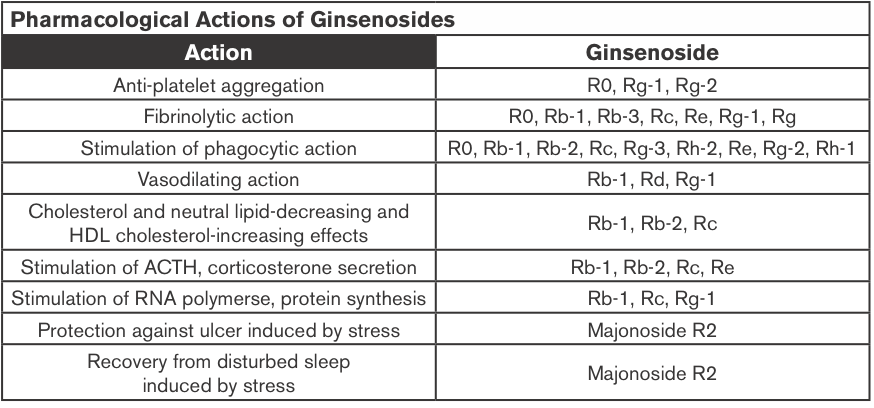
Parthenolide

Cancer:
Myeloma, ovarian adenocarcinoma, breast, acute myelogenous leukemia, epithelial-to-mesenchymal transition (EMT)

Action: Anti-cancer, anti-inflammatory, inhibits NF-κB, promotes apoptosis

Inhibits NF-κB & Promotes Apoptosis

Parthenolide, a sesquiterpene lactone derived from the leaves of feverfew (Tanacetum parthenium (L.)), is considered a main bioactive component of this herb. Feverfew has been used orally or as an infusion for the treatment of migraine, arthritis, fever, and stomachache. Besides its anti-inflammatory and anti-migraine properties, parthenolide also shows anti-cancer activities in a variety of cell lines. It contains an alpha-methylene-gamma-lactone ring and an epoxide moiety which are able to interact with nucleophilic sites of biologically important molecules.

Parthenolide modulates multiple targets, thereby contributing to its various in vitro and in vivo effects. Inhibition of NF-kappaB activity, constitutive in many types of cancers via either interaction with IKK or more directly with the p65 subunit of NF-kappaB, is considered one of the main mechanisms of its action. In addition, inhibition of STAT and MAP kinase activities and the induction of sustained JNK activity as well as p53 activity via influencing MDM2 and HDAC1 levels lead to an increased susceptibility of cancer cells to chemo- and radio- therapy. At the epigenetic level, parthenolide reduces HDAC1 level and, by inhibiting DNMT2 activity, induces global hypomethylation of DNA, which can restore the expressions of some suppressor genes.

Moreover, this compound reduces the cellular level of GSH in cancer cells, followed by ROS accumulation and apoptosis. A unique property of parthenolide is its ability to induce cell death mainly in cancer cells, while sparing healthy ones and it also protects normal cells from UVB and oxidative stress. More remarkably, it seems to have the potential to target some cancer stem cells. Its wide array of biological activity and low toxicity make parthenolide a very promising drug with multi-pharmacological potential, largely dependent on the cellular context (Koprowska et al., 2010).

Multiple Myeloma

It has been shown that parthenolide is a potent anti-MM-CSC agent. Multiple myeloma (MM) is an incurable plasma cell malignancy where nearly all patients succumb to a relapse. The current preclinical models of MM target the plasma cells, constituting the bulk of the tumor, leaving the cancer stem cells to trigger a relapse. It demonstrated preferential toxicity toward MM-CSCs over non-tumorigenic MM cells. Addition of the bone marrow stromal compartment abrogated andrographolide activity while having no effect on parthenolide cytoxicity. It hence has anti-CSC activity in myeloma, suggesting that it has the potential to improve the survival of patients with MM by eliminating the relapse-causing MM-CSCs (Gunn et al., 2011).

Acute Myelogenous Leukemia

Parthenolide (PTL), a naturally occurring small molecule, induces robust apoptosis in primary human acute myelogenous leukemia (AML) cells and blast crisis CML (bcCML) cells while sparing normal hematopoietic cells. Furthermore, analysis of progenitor cells using in vitro colony assays, as well as stem cells using the non-obese diabetic/severe combined immunodeficient (NOD/SCID) xenograft model, show that PTL also preferentially targets AML progenitor and stem cell populations.

Notably, in comparison to the standard chemotherapy drug cytosine arabinoside (Ara-C), PTL is much more specific to leukemia cells. The molecular mechanism of PTL-mediated apoptosis is strongly associated with inhibition of nuclear factor κB (NF-κB), pro-apoptotic activation of p53, and increased reactive oxygen species (ROS) (Guzman, et al., 2005).

PTL is known to be a potent inhibitor of NF-κB (Bork et al., 1997). The mechanism of NF-κB down-regulation appears to occur via inhibition of the IKK complex. Guzman et al. (2005) observed strong inhibition of NF-κB in primary AML cells and speculate that this activity contributes to the efficacy of PTL. However, previous genetic studies using a dominant-negative repressor of NF-κB activity have shown that inhibition of NF-κB alone is not sufficient to mediate the robust cell death observed with PTL. Rather, blockade of the NF-κB pathway appears to sensitize primary AML cells to death and induces a relatively slow spontaneous apoptosis (~50% cell death in 36 h) (Guzman et al., 2002). Similarly, studies by Romano et al. (2000) showed that treatment of primary AML blasts with NF-κB decoy oligonucleotides was not sufficient to induce a strong apoptotic response.

Consequently, PTL must be affecting other pathways relevant to AML-specific survival. One such pathway appears to be mediated by the activity of p53. PTL induced rapid up-regulation of p53 protein with concomitant phosphorylation on serine (Woynarowski & Konopa, 1981).

Ovarian Carcinoma

Results suggest that parthenolide may induce apoptotic cell death in ovarian carcinoma cell lines by activating the mitochondrial pathway and the caspase-8- and Bid-dependent pathways. The apoptotic effect of parthenolide appears to be mediated by the formation of reactive oxygen species and the depletion of GSH. Parthenolide might be beneficial in the treatment of epithelial ovarian adenocarcinoma and combination therapy (Kwak et al., 2013).

Epithelial-to-Mesenchymal Transition (EMT)

Detyrosinated tubulin, a post-translational modification of α-tubulin and a hallmark of stable microtubules, has gained recent attention given its association with tumor progression, invasiveness, and chemoresistance. Also, epithelial-to-mesenchymal transition (EMT) promotes tubulin detyrosination through tubulin tyrosine ligase (TTL) suppression. Given the induction of EMT associated with inflammation and cancer progression, Whipple et al. (2013) tested anti-inflammatory nuclear factor-kappaB (NF-κB) inhibitors on a panel of human breast carcinoma cells to examine their effects on detyrosinated tubulin to identify more specific tubulin-directed anti-cancer treatments.

Breast Cancer

Sesquiterpene lactones, parthenolide and costunolide, selectively decrease detyrosinated tubulin independent of their inhibition of NF-κB. Live-cell scoring of suspended cells treated with parthenolide and costunolide show reduction in the frequency of microtentacles and inhibition of reattachment. Selective targeting of detyrosinated tubulin with parthenolide and costunolide can reduce McTN frequency and inhibit tumor cell reattachment. These actions are independent of their effects on NF-κB inhibition, presenting a novel anti-cancer property and therapeutic opportunity to selectively target a stable subset of microtubules in circulating tumor cells to reduce metastatic potential with less toxicity in breast cancer patients (Whipple et al., 2013).

References

Bork PM, Schmitz ML, Kuhnt M, Escher C, Heinrich M. (1997). Sesquiterpene lactone containing Mexican Indian medicinal plants and pure sesquiterpene lactones as potent inhibitors of transcription factor NF-kappaB. FEBS Lett, 402:85-90.


Gunn EJ, Williams JT, Huynh DT, et al. (2011). The natural products parthenolide and andrographolide exhibit anti-cancer stem cell activity in multiple myeloma. Leuk Lymphoma, 52(6):1085-97.


Guzman ML, Rossi RM, Karnischky L, et al. (2005). The sesquiterpene lactone parthenolide induces apoptosis of human acute myelogenous leukemia stem and progenitor cell. Blood, 105(11): 4163–4169. doi: 10.1182/blood-2004-10-4135.


Guzman ML, Swiderski CF, Howard DS, et al. (2002). Preferential induction of apoptosis for primary human leukemic stem cells. Proc Natl Acad Sci U S A, 99:16220-16225.


Koprowska K, Czyz M. (2010). Molecular mechanisms of parthenolide's action: Old drug with a new face. Postepy Hig Med Dosw, 64:100-14.


Kwak SW, Park ES, Lee CS. (2013). Parthenolide induces apoptosis by activating the mitochondrial and death receptor pathways and inhibits FAK-mediated cell invasion. Mol Cell Biochem.


Romano MF, Lamberti A, Bisogni R, et al. (2000). Enhancement of cytosine arabinoside-induced apoptosis in human myeloblastic leukemia cells by NF-kappa B/Rel-specific decoy oligodeoxynucleotides. Gene Ther, 7:1234-1237.


Whipple RA, Vitolo MI, Boggs AE, et al. (2013). Parthenolide and costunolide reduce microtentacles and tumor cell attachment by selectively targeting detyrosinated tubulin independent from NF- κ B inhibition. Breast Cancer Res,15(5):R83.


Woynarowski JM, Konopa J. (1981). Inhibition of DNA biosynthesis in HeLa cells by cytotoxic and anti-tumor sesquiterpene lactones. Mol Pharmacol,19:97-102.

Honokiol (See also Injectables)

Cancer:
Lung, breast, prostate, leukemia, colorectal., esophageal., ovarian, myeloma, pancreatic, stomach, uterine

Action: Anti-angiogenic, chemo-sensitizer, multi-drug resistance reversal., anti-inflammatory, anxiolytic, anti-depressant, inhibits VEGF, anti-metastatic, synergistic effects with other cancer treatments

Honokiol is a phenolic compound purified from plants of the Magnolia genus, including Magnolia officinalis (Rehder & Wilson) and Magnolia grandiflora (L.), that exhibits anti-cancer effects in experimental models with various types of cancer cells, including esophageal., ovarian, breast, and lung cancer, as well as myeloma and leukemia. It is speculated that this compound causes cancer cell death in part through targeting mitochondria (Munroe et al., 2007; Chen et al., 2009; Fried & Arbiser, 2009).

Inhibits Angiogenesis, MDR, Anti-inflammatory, Inhibits VEGF

Honokiol is one of two dominant biphenolic compounds isolated from Magnolia spp. bark, and is the most widely researched active constituent of the bark. In vivo studies suggest that honokiol's greatest value is in its multiple anti-cancer actions. In vitro research suggests honokiol has potential to enhance current anti-cancer regimens by inhibiting angiogenesis, promoting apoptosis, providing direct cytotoxic activity, down-regulating cancer cell signaling pathways, regulating genetic expression, enhancing the effects of specific chemotherapeutic agents, radio-sensitizing cancer cells to radiation therapy, and inhibiting multi-drug resistance.

Honokiol also shows potential in preventive health by reducing inflammation and oxidative stress, providing neurological protection, and regulating glucose; in mental illness by its effects against anxiety and depression; and in helping regulate stress response signaling. Its anti-microbial effects demonstrate potential for partnering with anti-viral/antibiotic therapy, and treating secondary infections.

Honokiol may occupy a distinct therapeutic niche because of its unique characteristics: the ability to cross the blood brain barrier (BBB) and blood cerebrospinal fluid barrier (BCSFB), high systemic bioavailability, and its actions on a multiplicity of signaling pathways and genomic activity. There is a need for research on honokiol to progress to human studies and on into clinical use.

The preclinical research on honokiol's broad-ranging capabilities shows its potential as a therapeutic compound for numerous solid and hematological cancers, including its effectiveness in combating multi-drug resistance (MDR) and its synergy with other anti-cancer therapies. Research thus far shows no toxicity or serious adverse effects in animal models.

Honokiol has also been shown to inhibit spread of cancer cells through the lymph system by inhibiting one of the primary pathways involved in growth stimulation related to vascular endothelial growth factor (VEGF) (Wen et al., 2009).

Inhibits Angiogenesis, Gastric Cancer

A 2012 in vivo study in PLoS One showed that honokiol, by inhibiting angiogenic pathways such as STAT-3, dampened peritoneal dissemination of gastric cancer in mice (5 mg/kg delivered intraperitoneally) (Liu et al., 2012).    

Induces Apoptosis; Leukemia

Honokiol induces cell apoptosis in several cell lines, such as leukemia cell lines HL-60, colon cancer cell lines RKO, lung cancer cell lines A549 and CH27 (Hirano et al., 1994; Wang et al., 2004; Hibasami et al., 1998; Konoshima et al., 1991;Yang et al., 2002; Kong et al., 2005). It also has remarkable in vivo anti-tumor activities in tumor mouse models (Bai et al., 2003). Honokiol has demonstrated potent anti-angiogenic and anti-tumor properties against aggressive angiosarcoma by blocking of VEGF-induced VEGF receptor 2 autophosphorylation (Konoshima et al., 1991; Yang et al., 2002).

MDR

Honokiol has also been found to down-regulate the expression of P-glycoprotein at mRNA and protein levels in MCF-7/ADR, a human breast MDR cancer cell line. The down-regulation of P-glycoprotein is accompanied with a partial recovery of the intracellular drug accumulation (Xu et al., 2006).

Prostate Cancer

In addition, it has been shown that prostate cancer cells that failed to respond to hormone withdrawal responded to honokiol-induced apoptosis. It was found to significantly induce death in cells surrounding primary and metastatic prostate cancers, the prostate stromal fibroblasts, marrow stromal cells, and bone marrow-associated endothelial cells. Honokiol is hence a promising nontoxic agent that could be used as an adjuvant with low-dose docetaxel for the treatment of hormone-refractory prostate cancer and its distant bone metastases (Shigemura et al., 2007).

Anti-metastatic

Honokiol inhibited the activity of MMP-9, which may be responsible, in part, for the inhibition of tumor cell invasiveness (Nagase et al., 2001).

Breast Cancer

The development of more targeted and low toxic drugs from traditional Chinese medicines for breast cancer are needed due to most of the anti-breast cancer drugs often being limited because of drug resistance and serious adverse reactions. Results have shown that honokiol inhibited the rate of breast cancer MDA-MB-231 cell growth (Nagalingam et al., 2012).

Synergistic Effects with Other Cancer Treatments

One of the most promising benefits of honokiol is its ability to synergize with other cancer treatments. Clinical trials are desperately needed to validate the potential synergy that has been demonstrated in vitro and in vivo.

Chemotherapy

• A 2013 in vitro study published in the International Journal of Oncology showed that honokiol synergized chemotherapy drugs in Multi-drug-resistant breast cancer (Tian et al., 2013). A 2011 in vitro study published in PLoS One found that honokiol enhanced the apoptotic effects of the anti-cancer drug gemcitabine against pancreatic cancer (Arora et al., 2011).

• In vivo research published in Oncology Letters in 2011 found honokiol enhanced the action of cisplatin against colon cancer (Cheng et al., 2011).

• A 2010 in vitro study from the Journal of Biological Regulators and Homeostatic Agents showed that honokiol resensitized cancer cells to doxorubicin in Multi-drug-resistant uterine cancer (Angelini et al., 2010).

• A 2010 in vitro study published in Toxicology Mechanisms and Methods showed honokiol performed synergistically with the drug imatinib against human leukemia cells (Wang et al., 2010).

• 2008 in vivo research published in the International Journal of Gynecological Cancer showed honokiol to potentiate the activity of cisplatin in murine models of ovarian cancer (Liu et al., 2008).

• 2005 in vitro research published in Blood showed honokiol enhanced the cytotoxicity induced by fludarabine, cladribine, and chlorambucil, indicating it is a potent inducer of apoptosis in B-CLL cells (Battle et al., 2005).

Radiation treatment

• 2012 in vitro research published in Molecular Cancer Therapeutics showed that honokiol was able to sensitize cancer cells to radiation treatments (Ponnurangam et al., 2012).

• A 2011 in vitro study published in American Journal of Physiology Gastrointestinal and Liver Physiology showed honokiol sensitized treatment-resistant colon cancer cells to radiation therapy (He et al., 2011).

Inhibition of multi-drug resistance

Honokiol has been shown to interact with genes that are involved with mechanisms of drug efflux, thus reversing MDR in experimental models. The exact mechanisms of action in this regard are thought to be related to effects of blocking of NF-kB activity, but other mechanisms may also be involved (Xu et al., 2006).

References

Angelini A, Di Ilio C, Castellani ML, Conti P, Cuccurullo F. (2010). Modulation of Multi-drug resistance p-glycoprotein activity by flavonoids and honokiol in human doxorubicin-resistant sarcoma cells (MES-SA/DX-5): Implications for natural sedatives as chemosensitizing agents in cancer therapy. Journal of Biological Regulators & Homeostatic Agents, 24(2). 197-205.


Arora S, Bhardwaj A, Srivastava SK, et al. (2011). Honokiol arrests Cell-cycle, induces apoptosis, and potentiates the cytotoxic effect of gemcitabine in human pancreatic cancer cells. PLoS One, 6(6), e21573. doi: 10.1371/journal.pone.0021573.


Bai X, Cerimele F, Ushio-Fukai M, et al. (2003). Honokiol, a small molecular weight natural product, inhibits angiogenesis in vitro and tumor growth in vivo. J Biol Chem, 278: 35501–7.


Battle TE, Arbiser J, Frank DA. (2005). The natural product honokiol induces caspase-dependent apoptosis in B-cell chronic lymphocytic leukemia (B-CLL) cells. Blood, 106(2), 690-697.


Chen G, Izzo J, Demizu Y, et al. (2009). Different redox states in malignant and nonmalignant esophageal epithelial cells and differential cytotoxic responses to bile acid and honokiol. Antioxid. Redox Signal., 11(5):1083–1095


Cheng N, Xia T, Han Y, et al. (2001). Synergistic anti-tumor effects of liposomal honokiol combined with cisplatin in colon cancer models. Oncology Letters, 2(5), 957-962.


Eliaz I. (2013). Honokiol research review: A promising extract with multiple applications. Natural Medicine Journal., 5(7).


Fried LE, Arbiser JL. (2009). Honokiol, a multifunctional anti-angiogenic and anti-tumor agent. Antioxid. Redox Signal., 1(5):1139–1148. doi: 10.1089/ARS.2009.2440.


He Z, Subramaniam D, Ramalingam S, et al. (2011). Honokiol radiosensitizes colorectal cancer cells: enhanced activity in cells with mismatch repair defects. American Journal of Physiology: Gastrointest and Liver Physiology, 301(5):G929-937.


Hibasami H, Achiwa Y, Katsuzaki H, et al. (1998). Honokiol induces apoptosis in human lymphoid leukemia Molt 4B cells. Int J Mol Med, 2:671–3.


Hirano T, Gotoh M, Oka K. (1994). Natural flavonoids and lignans are potent cytostatic agents against human leukemic HL-60 cells. Life Sci, 55:1061–9.


Hou X, Yuan X, Zhang B, Wang S, Chen Q. (2013). Screening active anti-breast cancer compounds from Cortex Magnolia officinalis by 2D LC-MS. J Sep Sci, 36(4):706-12. doi: 10.1002/jssc.201200896.


Kong ZL, Tzeng SC, Liu YC. (2005). Cytotoxic neolignans: an SAR study. Bioorg Med Chem Lett, 15: 163–6.


Konoshima T, Kozuka M, Tokuda H, et al. (1991). Studies on inhibitors of skin tumor promotion. IX. Neolignans from Magnolia officinalis. J Nat Prod, 54: 816–22.


Liu Y, Chen L, He X, et al. (2010). Enhancement of therapeutic effectiveness by combining liposomal honokiol with cisplatin in ovarian carcinoma. International Journal of Gynecological Cancer, 18(4), 652-659.


Liu SH, Wang KB, Lan KH, et al. (2012). Calpain/SHP-1 interaction by honokiol dampening peritoneal dissemination of gastric cancer in nu/nu mice. PLoS One, 7(8):e43711.


Munroe ME, Arbiser JL, Bishop GA. (2007). Honokiol, a natural plant product, inhibits inflammatory signals and alleviates inflammatory arthritis. J. Immunol., 179(2):753–763


Nagalingam A, Arbiser JL, Bonner MY, Saxena NK, Sharma D. (2012). Honokiol activates AMP-activated protein kinase in breast cancer cells via an LKB1-dependent pathway and inhibits breast carcinogenesis. Breast Cancer Research, 14:R35 doi:10.1186/bcr3128


Nagase H, Ikeda K, Sakai Y. (2001). Inhibitory Effect of Magnolol and Honokiol from Magnolia obovata on Human Fibrosarcoma HT-1080 Invasiveness in vitro. Planta Med, 67(8): 705-708. DOI: 10.1055/s-2001-18345


Ponnurangam S, Mammen JM, Ramalingam S, et al. (2012). Honokiol in combination with radiation targets notch signaling to inhibit colon cancer stem cells. Molecular Cancer Therapeutics, 11(4), 963-972. doi: 10.1371/journal.pone.0043711.


Shigemura K, Arbiser JL, Sun SY, et al. (2007). Honokiol, a natural plant product, inhibits the bone metastatic growth of human prostate cancer cells. Cancer, 109(7), 1279-1289.


Tian W, Deng Y, Li L, et al. (2013). Honokiol synergizes chemotherapy drugs in Multi-drug-resistant breast cancer cells via enhanced apoptosis and additional programmed necrotic death. International Journal of Oncology, 42(2), 721-732. doi: 10.3892/ijo.2012.1739.


Wang Y, Yang Z, Zhao X. (2010). Honokiol induces parapoptosis and apoptosis and exhibits schedule-dependent synergy in combination with imatinib in human leukemia cells. Toxicology Mechanisms and Methods, 20(5), 234-241. doi: 10.3109/15376511003758831.


Wang T, Chen F, Chen Z, et al. (2004). Honokiol induces apoptosis through p53-independent pathway in human colorectal cell line RKO. World J Gastroenterol, 10: 2205–8.


Wen J, Fu AF, Chen LJ, et al. (2009). Liposomal honokiol inhibits VEGF-D-induced lymphangiogenesis and metastasis in xenograft tumor model. International Journal of Cancer, 124(11), 2709-2718. doi: 10.1002/ijc.24244.


Xu D, Lu Q, Hu X. (2006). Down-regulation of P-glycoprotein expression in MDR breast cancer cell MCF-7/ADR by honokiol. Cancer Letters, 243(2), 274-280.


Yang SE, Hsieh MT, Tsai TH, Hsu SL. (2002). Down-modulation of Bcl-XL, release of cytochrome c and sequential activation of caspases during honokiol-induced apoptosis in human squamous lung cancer CH27 cells. Biochemical Pharmacology, 63(9), 1641-1651.

Source

Eliaz I. (2013). Honokiol research review: A promising extract with multiple applications. Natural Medicine Journal., 5(7). Retrieved from http://www.naturalmedicinejournal.com/article_content.asp?edition=1.

Fucoidan

Cancer:
Lymphoma, prostate, hepatocellular carcinoma, breast, colorectal

Action: Chemotherapy protective

Fucoidan is a ulphated polysaccharide found in brown seaweed, including Sargassum thunbergii [(Mertens ex Roth) Kuntze] and Fucus vesiculosus (L.).

Lymphoma

Fucoidan, a sulfated polysaccharide in brown seaweed, was found to inhibit proliferation and induce apoptosis in human lymphoma HS-Sultan cell lines. Fucoidan-induced apoptosis was accompanied by the activation of caspase-3 and was partially prevented by pre-treatment with a pan-caspase inhibitor, z-VAD-FMK. The neutralizing antibody, Dreg56, against human l-selectin, did not prevent the inhibitory effect of fucoidan on the proliferation of IM9 and MOLT4 cells, both of which express l-selectin; thus it is possible fucoidan induced apoptosis through different receptors. These results demonstrate that fucoidan has direct anti-cancer effects on human HS-Sultan cells through caspase and ERK pathways (Aisa et al., 2005).

Colorectal Cancer; Chemotherapy

A total of 20 patients with unresectable advanced or recurrent colorectal cancer scheduled to undergo treatment with FOLFOX or FOLFIRI were randomly allocated into a fucoidan treatment group (n=10) and a control group without fucoidan treatment (n=10). Results showed that fucoidan regulated the occurrence of fatigue during chemotherapy. Chemotherapy with fucoidan was continued for a longer period than chemotherapy without fucoidan. Additionally, the survival of patients with fucoidan treatment was longer than that of patients without fucoidan, although the difference was not significant.

Thus, fucoidan may enable the continuous administration of chemotherapeutic drugs for patients with unresectable advanced or recurrent colorectal cancer, and as a result, the prognosis of such patients is prolonged (Ikeguchi et al., 2011).

Prostate Cancer

Fucoidan obtained from Undaria pinnatifida induced the apoptosis of PC-3 cells by activating both intrinsic and extrinsic pathways. The induction of apoptosis was accompanied by the activation of extracellular signal-regulated kinase mitogen-activated protein kinase (ERK1/2 MAPK) and the inactivation of p38 MAPK and phosphatidylinositol 3-kinase (PI3K)/Akt. In addition, fucoidan also induced the up-regulation of p21Cip1/Waf and down-regulation of E2F-1 cell-cycle-related proteins. Furthermore, in the Wnt/β-catenin pathway, fucoidan activated GSK-3β that resulted in the decrease of β-catenin level, followed by the decrease of c-myc and cyclin D1 expressions, target genes of β-catenin in PC-3 cells. The data support that fucoidan might have potential for the treatment of prostate cancer (Boo et al., 2013).

Hepatocellular Carcinoma

Fucoidan isolated from U. pinnatifida induced apoptosis in human hepatocellular carcinoma SMMC-7721 cells via the ROS-mediated mitochondrial pathway. SMMC-7721 cells exposed to fucoidan displayed growth inhibition and several typical features of apoptotic cells, such as chromatin condensation and marginalization, and a decrease in the number of mitochondria, and in mitochondrial swelling and vacuolation (Yang et al., 2013).

Breast Cancer

Fucoidan exerts its anti-cancer activity through down-regulation of Wnt/β-catenin signaling. Fucoidan may be an effective therapy for the chemoprevention and treatment of mouse breast cancer. Fucoidan significantly inhibited cell growth, increased cell death, and induced G1 cell- cycle arrest in breast cancer 4T1 cells. Fucoidan also reduced β-catenin expression and T cell factor/lymphoid-enhancing factor reporter activity. Furthermore, fucoidan down-regulated the expression of downstream target genes such as c-myc, cyclin D1, and survivin (Xue et al., 2013).

References

Aisa Y, Miyakawa Y, Nakazato T, Shibata H, et al. (2005). Fucoidan induces apoptosis of human HS-Sultan cells accompanied by activation of caspase-3 and down-regulation of ERK Pathways. Am. J. Hematol, 78:7–14. doi: 10.1002/ajh.20182.


Boo HJ, Hong JY, Kim SC, et al. (2013). The anti-cancer effect of fucoidan in PC-3 prostate cancer cells. Mar Drugs, 11(8):2982-99. doi: 10.3390/md11082982.


Ikeguchi M, Yamamoto M, Arai Y, et al. (2011). Fucoidan reduces the toxicities of chemotherapy for patients with unresectable advanced or recurrent colorectal cancer. Oncology Letters, 2(2). doi: 10.3892/ol.2011.254.


Xue M, Ge Y, Zhang J, et al. (2013). Fucoidan inhibited 4T1 mouse breast cancer cell growth in vivo and in vitro via down-regulation of Wnt/β -catenin signaling. Nutr Cancer, 65(3):460-8. doi: 10.1080/01635581.2013.757628.


Yang L, Wang P, Wang H, et al. (2013). Fucoidan derived from Undaria pinnatifida induces apoptosis in human hepatocellular carcinoma SMMC-7721 cells via the ROS-mediated mitochondrial pathway. Mar Drugs, 11(6):1961-76. doi: 10.3390/md11061961.

Ginsenoside (See also Rg3)

Cancer:
Breast, colorectal., brain, leukemia, acute myeloid leukemia (AML), melanoma, lung, glioblastoma, prostate, fibroblast carcinoma

Action: Multi-drug resistance, apoptosis, anti-cancer, chemotherapy sensitizer, CYP450 regulating, inhibits growth and metastasis, down-regulates MMP-9, enhances 5-FU, anti-inflammatory

Inhibits Growth and Metastasis

Ginsenosides, belonging to a group of saponins with triterpenoid dammarane skeleton, show a variety of pharmacological effects. Among them, some ginsenoside derivatives, which can be produced by acidic and alkaline hydrolysis, biotransformation and steamed process from the major ginsenosides in ginseng plant, perform stronger activities than the major primeval ginsenosides on inhibiting growth or metastasis of tumor, inducing apoptosis and differentiation of tumor and reversing multi-drug resistance of tumor. Therefore ginsenoside derivatives are promising as anti-tumor active compounds and drugs (Cao et al., 2012).

Ginsenoside content can vary widely depending on species, location of growth, and growing time before harvest. The root, the organ most often used, contains saponin complexes. These are often split into two groups: the Rb1 group (characterized by the protopanaxadiol presence: Rb1, Rb2, Rc and Rd) and the Rg1 group (protopanaxatriol: Rg1, Re, Rf, and Rg2). The potential health effects of ginsenosides include anti-carcinogenic, immunomodulatory, anti-inflammatory, anti-allergic, anti-atherosclerotic, anti-hypertensive, and anti-diabetic effects as well as anti-stress activity and effects on the central nervous system (Christensen, 2009).

Ginsenosides are considered the major pharmacologically active constituents, and approximately 12 types of ginsenosides have been isolated and structurally identified. Ginsenoside Rg3 was metabolized to ginsenoside Rh2 and protopanaxadiol by human fecal microflora (Bae et al., 2002). Ginsenoside Rg3 and the resulting metabolites exhibited potent cytotoxicity against tumor cell lines (Bae et al., 2002).

Screen-Shot-2014-03-28-at-11.53.41-am1

Ginseng Extracts (GE); Methanol-(alc-GE) or Water-extracted (w-GE) and ER+ Breast Cancer

Ginseng root extracts and the biologically active ginsenosides have been shown to inhibit proliferation of human cancer cell lines, including breast cancer. However, there are conflicting data that suggest that ginseng extracts (GEs) may or may not have estrogenic action, which might be contraindicated in individuals with estrogen-dependent cancers. The current study was designed to address the hypothesis that the extraction method of American ginseng (Panax quinquefolium) root will dictate its ability to produce an estrogenic response using the estrogen receptor (ER)-positive MCF-7 human breast cancer cell model. MCF-7 cells were treated with a wide concentration range of either methanol-(alc-GE) or water-extracted (w-GE) ginseng root for 6 days.

An increase in MCF-7 cell proliferation by GE indicated potential estrogenicity. This was confirmed by blocking GE-induced MCF-7 cell proliferation with ER antagonists ICI 182,780 (1 nM) and 4-hydroxytamoxifen (0.1 microM). Furthermore, the ability of GE to bind ERalpha or ERbeta and stimulate estrogen-responsive genes was examined. Alc-GE, but not w-GE, was able to increase MCF-7 cell proliferation at low concentrations (5-100 microg/mL) when cells were maintained under low-estrogen conditions. The stimulatory effect of alc-GE on MCF-7 cell proliferation was blocked by the ER antagonists ICI 182,780 or 4-hydroxyta-moxifen. At higher concentrations of GE, both extracts inhibited MCF-7 and ER-negative MDA-MB-231 cell proliferation regardless of media conditions.

These data indicate that low concentrations of alc-GE, but not w-GE, elicit estrogenic effects, as evidenced by increased MCF-7 cell proliferation, in a manner antagonized by ER antagonists, interactions of alc-GE with estrogen receptors, and increased expression of estrogen-responsive genes by alc-GE. Thus, discrepant results between different laboratories may be due to the type of GE being analyzed for estrogenic activity (King et al., 2006).

Anti-cancer

Previous studies suggested that American ginseng and notoginseng possess anti-cancer activities. Using a special heat-preparation or steaming process, the content of Rg3, a previously identified anti-cancer ginsenoside, increased significantly and became the main constituent in the steamed American ginseng. As expected, using the steamed extract, anti-cancer activity increased significantly. Notoginseng has a very distinct saponin profile compared to that of American ginseng. Steaming treatment of notoginseng also significantly increased anti-cancer effect (Wang et al., 2008).

Steam Extraction; Colorectal Cancer

After steaming treatment of American ginseng berries (100-120 ¡C for 1 h, and 120 ¡C for 0.5-4 h), the content of seven ginsenosides, Rg1, Re, Rb1, Rc, Rb2, Rb3, and Rd, decreased; the content of five ginsenosides, Rh1, Rg2, 20R-Rg2, Rg3, and Rh2, increased. Rg3, a previously identified anti-cancer ginsenoside, increased significantly. Two h of steaming at 120 ¡C increased the content of ginsenoside Rg3 to a greater degree than other tested ginsenosides. When human colorectal cancer cells were treated with 0.5 mg/mL steamed berry extract (120 ¡C 2 hours), the anti-proliferation effects were 97.8% for HCT-116 and 99.6% for SW-480 cells.

After staining with Hoechst 33258, apoptotic cells increased significantly by treatment with steamed berry extract compared with unheated extracts. The steaming of American ginseng berries hence augments ginsenoside Rg3 content and increases the anti-proliferative effects on two human colorectal cancer cell lines (Wang et al., 2006).

Glioblastoma

The major active components in red ginseng consist of a variety of ginsenosides including Rg3, Rg5 and Rk1, each of which has different pharmacological activities. Among these, Rg3 has been reported to exert anti-cancer activities through inhibition of angiogenesis and cell proliferation.

It is essential to develop a greater understanding of this novel compound by investigating the effects of Rg3 on a human glioblastoma cell line and its molecular signaling mechanism. The mechanisms of apoptosis by ginsenoside Rg3 were related with the MEK signaling pathway and reactive oxygen species. These data suggest that ginsenoside Rg3 is a novel agent for the chemotherapy of GBM (Choi et al., 2013).

Colon Cancer; Chemotherapy

Rg3 can inhibit the activity of NF-kappaB, a key transcriptional factor constitutively activated in colon cancer that confers cancer cell resistance to chemotherapeutic agents. Compared to treatment with Rg3 or chemotherapy alone, combined treatment was more effective (i.e., there were synergistic effects) in the inhibition of cancer cell growth and induction of apoptosis and these effects were accompanied by significant inhibition of NF-kappaB activity.

NF-kappaB target gene expression of apoptotic cell death proteins (Bax, caspase-3, caspase-9) was significantly enhanced, but the expression of anti-apoptotic genes and cell proliferation marker genes (Bcl-2, inhibitor of apoptosis protein (IAP-1) and X chromosome IAP (XIAP), Cox-2, c-Fos, c-Jun and cyclin D1) was significantly inhibited by the combined treatment compared to Rg3 or docetaxel alone.

These results indicate that ginsenoside Rg3 inhibits NF-kappaB, and enhances the susceptibility of colon cancer cells to docetaxel and other chemotherapeutics. Thus, ginsenoside Rg3 could be useful as an anti-cancer or adjuvant anti-cancer agent (Kim et al., 2009).

Prostate Cancer; Chemo-sensitizer

Nuclear factor-kappa (NF-kappaB) is also constitutively activated in prostate cancer, and gives cancer cells resistance to chemotherapeutic agents. Rg3 has hence also been found to increase susceptibility of prostate (LNCaP and PC-3, DU145) cells against chemotherapeutics; prostate cancer cell growth as well as activation of NF-kappaB was examined. It has been found that a combination treatment of Rg3 (50 microM) with a conventional agent docetaxel (5 nM) was more effective in the inhibition of prostate cancer cell growth and induction of apoptosis as well as G(0)/G(1) arrest accompanied with the significant inhibition of NF-kappaB activity, than those by treatment of Rg3 or docetaxel alone.

The combination of Rg3 (50 microM) with cisplatin (10 microM) and doxorubicin (2 microM) was also more effective in the inhibition of prostate cancer cell growth and NF-kappaB activity than those by the treatment of Rg3 or chemotherapeutics alone. These results indicate that ginsenoside Rg3 inhibits NF-kappaB, and enhances the susceptibility of prostate cancer cells to docetaxel and other chemotherapeutics. Thus, ginsenoside Rg3 could be useful as an anti-cancer agent (Kim et al., 2010).

Colon Cancer

Ginsenosides may not only be useful in themselves, but also for their downstream metabolites. Compound K (20-O-( β -D-glucopyranosyl)-20(S)-protopanaxadiol) is an active metabolite of ginsenosides and induces apoptosis in various types of cancer cells. This study investigated the role of autophagy in compound K-induced cell death of human HCT-116 colon cancer cells. Compound K activated an autophagy pathway characterized by the accumulation of vesicles, the increased positive acridine orange-stained cells, the accumulation of LC3-II, and the elevation of autophagic flux.

Compound K-provoked autophagy was also linked to the generation of intracellular reactive oxygen species (ROS); both of these processes were mitigated by the pre-treatment of cells with the anti-oxidant N-acetylcysteine.   Moreover, compound K activated the c-Jun NH2-terminal kinase (JNK) signaling pathway, whereas down-regulation of JNK by its specific inhibitor SP600125 or by small interfering RNA against JNK attenuated autophagy-mediated cell death in response to compound K.

Notably, compound K-stimulated autophagy as well as apoptosis was induced by disrupting the interaction between Atg6 and Bcl-2. Taken together, these results indicate that the induction of autophagy and apoptosis by compound K is mediated through ROS generation and JNK activation in human colon cancer cells (Kim et al., 2013b).

Lung Cancer; SCC

Korea white ginseng (KWG) has been investigated for its chemo-preventive activity in a mouse lung SCC model. N-nitroso-trischloroethylurea (NTCU) was used to induce lung tumors in female Swiss mice, and KWG was given orally. KWG significantly reduced the percentage of lung SCCs from 26.5% in the control group to 9.1% in the KWG group and in the meantime, increased the percentage of normal bronchial and hyperplasia. KWG was also found to greatly reduce squamous cell lung tumor area from an average of 9.4% in control group to 1.5% in the KWG group.

High-performance liquid chromatography/mass spectrometry identified 10 ginsenosides from KWG extracts, Rb1 and Rd being the most abundant as detected in mouse blood and lung tissue. These results suggest that KWG could be a potential chemo-preventive agent for lung SCC (Pan et al., 2013).

Leukemia

Rg1 was found to significantly inhibit the proliferation of K562 cells in vitro and arrest the cells in G2/M phase. The percentage of positive cells stained by SA-beta-Gal was dramatically increased (P < 0.05) and the expression of cell senescence-related genes was up-regulated. The observation of ultrastructure showed cell volume increase, heterochromatin condensation and fragmentation, mitochondrial volume increase, and lysosomes increase in size and number. Rg1 can hence induce the senescence of leukemia cell line K562 and play an important role in regulating p53-p21-Rb, p16-Rb cell signaling pathway (Cai et al., 2012).

Leukemia, Lymphoma

It has been found that Rh2 inhibits the proliferation of human leukemia cells concentration- and time-dependently with an IC(50) of ~38 µM. Rh2 blocked cell-cycle progression at the G(1) phase in HL-60 leukemia and U937 lymphoma cells, and this was found to be accompanied by the down-regulations of cyclin-dependent kinase (CDK) 4, CDK6, cyclin D1, cyclin D2, cyclin D3 and cyclin E at the protein level. Treatment of HL-60 cells with Rh2 significantly increased transforming growth factor- β (TGF- β ) production, and co-treatment with TGF- β neutralizing antibody prevented the Rh2-induced down-regulations of CDK4 and CDK6, up-regulations of p21(CIP1/WAF1) and p27(KIP1) levels and the induction of differentiation. These results demonstrate that the Rh2-mediated G(1) arrest and the differentiation are closely linked to the regulation of TGF- β production in human leukemia cells (Chung et al., 2012).

NSCLC

Ginsenoside Rh2, one of the components in ginseng saponin, has been shown to have anti-proliferative effect on human NSCLC cells and is being studied as a therapeutic drug for NSCLC. MicroRNAs (miRNAs) are small, non-coding RNA molecules that play a key role in cancer progression and prevention.

A unique set of changes in the miRNA expression profile in response to Rh2 treatment in the human NSCLC cell line A549 has been identified using miRNA microarray analysis. These miRNAs are predicted to have several target genes related to angiogenesis, apoptosis, chromatic modification, cell proliferation and differentiation. Thus, these results may assist in the better understanding of the anti-cancer mechanism of Rh2 in NSCLC (An et al., 2012).

Ginsenoside Concentrations

Ginsenosides, the major chemical composition of Chinese white ginseng (Panax ginseng C. A. Meyer), can inhibit tumor, enhance body immune function, prevent neurodegeneration. The amount of ginsenosides in the equivalent extraction of the nanoscale Chinese white ginseng particles (NWGP) was 2.5 times more than that of microscale Chinese white ginseng particles (WGP), and the extractions from NWGP (1000 microg/ml) reached a high tumor inhibition of 64% exposed to human lung carcinoma cells (A549) and 74% exposed to human cervical cancer cells (Hela) after 72 hours. Thia work shows that the nanoscale Chinese WGP greatly improves the bioavailability of ginsenosides (Ji et al., 2012).

Chemotherapy Side-effects

Pre-treatment with American ginseng berry extract (AGBE), a herb with potent anti-oxidant capacity, and one of its active anti-oxidant constituents, ginsenoside Re, was examined for its ability to counter cisplatin-induced emesis using a rat pica model. In rats, exposure to emetic stimuli such as cisplatin causes significant kaolin (clay) intake, a phenomenon called pica. We therefore measured cisplatin-induced kaolin intake as an indicator of the emetic response.

Rats were pre-treated with vehicle, AGBE (dose range 50–150 mg/kg, IP) or ginsenoside Re (2 and 5 mg/kg, IP). Rats were treated with cisplatin (3 mg/kg, IP) 30 min later. Kaolin intake, food intake, and body weight were measured every 24 hours, for 120 hours.

A significant dose-response relationship was observed between increasing doses of pre-treatment with AGBE and reduction in cisplatin-induced pica. Kaolin intake was maximally attenuated by AGBE at a dose of 100 mg/kg. Food intake also improved significantly at this dose (P<0.05). pre-treatment ginsenoside (5 mg/kg) also decreased kaolin intake >P<0.05). In vitro studies demonstrated a concentration-response relationship between AGBE and its ability to scavenge superoxide and hydroxyl.

Pre-treatment with AGBE and its major constituent, Re, hence attenuated cisplatin-induced pica, and demonstrated potential for the treatment of chemotherapy-induced nausea and vomiting. Significant recovery of food intake further strengthens the conclusion that AGBE may exert an anti-nausea/anti-emetic effect (Mehendale et al., 2005).

MDR

Because ginsenosides are structurally similar to cholesterol, the effect of Rp1, a novel ginsenoside derivative, on drug resistance using drug-sensitive OVCAR-8 and drug-resistant NCI/ADR-RES and DXR cells. Rp1 treatment resulted in an accumulation of doxorubicin or rhodamine 123 by decreasing MDR-1 activity in doxorubicin-resistant cells. Rp1 synergistically induced cell death with actinomycin D in DXR cells. Rp1 appeared to redistribute lipid rafts and MDR-1 protein.

Rp1 reversed resistance to actinomycin D by decreasing MDR-1 protein levels and Src phosphorylation with modulation of lipid rafts. Addition of cholesterol attenuated Rp1-induced raft aggregation and MDR-1 redistribution. Rp1 and actinomycin D reduced Src activity, and overexpression of active Src decreased the synergistic effect of Rp1 with actinomycin D. Rp1-induced drug sensitization was also observed with several anti-cancer drugs, including doxorubicin. These data suggest that lipid raft-modulating agents can be used to inhibit MDR-1 activity and thus overcome drug resistance (Yun et al., 2013).

Hypersensitized MDR Breast Cancer Cells to Paclitaxel

The effects of Rh2 on various tumor-cell lines for its effects on cell proliferation, induction of apoptosis, and potential interaction with conventional chemotherapy agents were investigated. Jia et al., (2004) showed that Rh2 inhibited cell growth by G1 arrest at low concentrations and induced apoptosis at high concentrations in a variety of tumor-cell lines, possibly through activation of caspases. The apoptosis induced by Rh2 was mediated through glucocorticoid receptors. Most interestingly, Rh2 can act either additively or synergistically with chemotherapy drugs on cancer cells. Particularly, it hypersensitized multi-drug-resistant breast cancer cells to paclitaxel.

These results suggest that Rh2 possesses strong tumor-inhibiting properties, and potentially can be used in treatments for multi-drug-resistant cancers, especially when it is used in combination with conventional chemotherapy agents.

MDR; Leukemia, Fibroblast Carcinoma

It was previously reported that a red ginseng saponin, 20(S)-ginsenoside Rg3 could modulate MDR in vitro and extend the survival of mice implanted with ADR-resistant murine leukemia P388 cells. A cytotoxicity study revealed that 120 microM of Rg3 was cytotoxic against a multi-drug-resistant human fibroblast carcinoma cell line, KB V20C, but not against normal WI 38 cells in vitro. 20 microM Rg3 induced a significant increase in fluorescence anisotropy in KB V20C cells but not in the parental KB cells. These results clearly show that Rg3 decreases the membrane fluidity thereby blocking drug efflux (Kwon et al., 2008).

MDR

Ginsenoside Rb1 is a representative component of panaxadiol saponins, which belongs to dammarane-type tritepenoid saponins and mainly exists in family araliaceae. It has been reported that ginsenoside Rb1 has diverse biological activities. The research development in recent decades on its pharmacological effects of cardiovascular system, anti-senility, reversing multi-drug resistance of tumor cells, adjuvant anti-cancer chemotherapy, and promoting peripheral nerve regeneration have been established (Jia et al., 2008).

Enhances Cyclophosphamide

Cyclophosphamide, an alkylating agent, has been shown to possess various genotoxic and carcinogenic effects, however, it is still used extensively as an anti-tumor agent and immunosuppressant in the clinic. Previous reports reveal that cyclophosphamide is involved in some secondary neoplasms.

C57BL/6 mice bearing B16 melanoma and Lewis lung carcinoma cells were respectively used to estimate the anti-tumor activity in vivo. The results indicated that oral administration of Rh(2) (5, 10 and 20 mg/kg body weight) alone has no obvious anti-tumor activity and genotoxic effect in mice, while Rh(2) synergistically enhanced the anti-tumor activity of cyclophosphamide (40 mg/kg body weight) in a dose-dependent manner.

Rh(2) decreased the micronucleus formation in polychromatic erythrocytes and DNA strand breaks in white blood cells in a dose-dependent way. These results suggest that ginsenoside Rh(2) is able to enhance the anti-tumor activity and decrease the genotoxic effect of cyclophosphamide (Wang, Zheng, Liu, Li, & Zheng, 2006).

Down-regulates MMP-9, Anti-metastatic

The effects of the purified ginseng components, panaxadiol (PD) and panaxatriol (PT), were examined on the expression of matrix metalloproteinase-9 (MMP-9) in highly metastatic HT1080 human fibrosarcoma cell line. A significant down-regulation of MMP-9 by PD and PT was detected by Northern blot analysis; however, the expression of MMP-2 was not changed by treatment with PD and PT. The results of the in vitro invasion assay revealed that PD and PT reduced tumor cell invasion through a reconstituted basement membrane in the transwell chamber. Because of the similarity of chemical structure between PD, PT and dexamethasone (Dexa), a synthetic glucocorticoid, we investigated whether the down-regulation of MMP-9 by PD and PT were mediated by the nuclear translocation of glucocorticoid receptor (GR). Increased GR in the nucleus of HT1080 human fibrosarcoma cells treated by PD and PT was detected by immunocytochemistry.

Western blot and gel retardation assays confirmed the increase of GR in the nucleus after treatment with PD and PT. These results suggest that GR-induced down-regulation of MMP-9 by PD and PT contributes to reduce the invasive capacity of HT1080 cells (Park et al., 1999).

Enhances 5-FU; Colorectal Cancer

Panaxadiol (PD) is the purified sapogenin of ginseng saponins, which exhibit anti-tumor activity. The possible synergistic anti-cancer effects of PD and 5-FU on a human colorectal cancer cell line, HCT-116, have been investigated.

The significant suppression on HCT-116 cell proliferation was observed after treatment with PD (25 microM) for 24 and 48 hours. Panaxadiol (25 microM) markedly (P < 0.05) enhanced the anti-proliferative effects of 5-FU (5, 10, 20 microM) on HCT-116 cells compared to single treatment of 5-FU for 24 and 48 hours.

Flow cytometric analysis on DNA indicated that PD and 5-FU selectively arrested cell-cycle progression in the G1 phase and S phase (P < 0.01), respectively, compared to the control condition. Combination use of 5-FU with PD significantly (P < 0.001) increased cell-cycle arrest in the S phase compared to that treated by 5-FU alone.

The combination of 5-FU and PD significantly enhanced the percentage of apoptotic cells when compared with the corresponding cell groups treated by 5-FU alone (P < 0.001). Panaxadiol hence enhanced the anti-cancer effects of 5-FU on human colorectal cancer cells through the regulation of cell-cycle transition and the induction of apoptotic cells (Li et al., 2009).

Colorectal Cancer

The possible synergistic anti-cancer effects of Panaxadiol (PD) and Epigallocatechin gallate (EGCG), on human colorectal cancer cells and the potential role of apoptosis in the synergistic activities, have been investigated.

Cell growth was suppressed after treatment with PD (10 and 20   µm) for 48   h. When PD (10 and 20   µm) was combined with EGCG (10, 20, and 30   µm), significantly enhanced anti-proliferative effects were observed in both cell lines. Combining 20   µm of PD with 20 and 30   µm of EGCG significantly decreased S-phase fractions of cells. In the apoptotic assay, the combination of PD and EGCG significantly increased the percentage of apoptotic cells compared with PD alone (p   <   0.01).

Data from this study suggested that apoptosis might play an important role in the EGCG-enhanced anti-proliferative effects of PD on human colorectal cancer cells (Du et al., 2013).

Colorectal Cancer; Irinotecan

Cell cycle analysis demonstrated that combining irinotecan treatment with panaxadiol significantly increased the G1-phase fractions of cells, compared with irinotecan treatment alone. In apoptotic assays, the combination of panaxadiol and irinotecan significantly increased the percentage of apoptotic cells compared with irinotecan alone (P<0.01). Increased activity of caspase-3 and caspase-9 was observed after treating with panaxadiol and irinotecan.

Data from this study suggested that caspase-3- and caspase-9-mediated apoptosis may play an important role in the panaxadiol enhanced anti-proliferative effects of irinotecan on human colorectal cancer cells (Du et al., 2012).

Anti-inflammatory

Ginsenoside Re inhibited IKK- β phosphorylation and NF- κ B activation, as well as the expression of pro-inflammatory cytokines, TNF- α and IL-1 β , in LPS-stimulated peritoneal macrophages, but it did not inhibit them in TNF- α – or PG-stimulated peritoneal macrophages. Ginsenoside Re also inhibited IRAK-1 phosphorylation induced by LPS, as well as IRAK-1 and IRAK-4 degradations in LPS-stimulated peritoneal macrophages.

Orally administered ginsenoside Re significantly inhibited the expression of IL-1 β and TNF- α on LPS-induced systemic inflammation and TNBS-induced colitis in mice. Ginsenoside Re inhibited colon shortening and myeloperoxidase activity in TNBS-treated mice. Ginsenoside Re reversed the reduced expression of tight-junction-associated proteins ZO-1, claudin-1, and occludin. Ginsenoside Re (20 mg/kg) inhibited the activation of NF- κ B in TNBS-treated mice. On the basis of these findings, ginsenoside Re may ameliorate inflammation by inhibiting the binding of LPS to TLR4 on macrophages (Lee et al., 2012).

Induces Apoptosis

Compound K activated an autophagy pathway characterized by the accumulation of vesicles, the increased positive acridine orange-stained cells, the accumulation of LC3-II, and the elevation of autophagic flux. Compound K activated the c-Jun NH2-terminal kinase (JNK) signaling pathway, whereas down-regulation of JNK by its specific inhibitor SP600125 or by small interfering RNA against JNK attenuated autophagy-mediated cell death in response to compound K. Compound K also provoked apoptosis, as evidenced by an increased number of apoptotic bodies and sub-G1 hypodiploid cells, enhanced activation of caspase-3 and caspase-9, and modulation of Bcl-2 and Bcl-2-associated X protein expression (Kim et al., 2013b).

Lung Cancer

AD-1, a ginsenoside derivative, concentration-dependently reduces lung cancer cell viability without affecting normal human lung epithelial cell viability. In A549 and H292 lung cancer cells, AD-1 induces G0/G1 cell-cycle arrest, apoptosis and ROS production. The apoptosis can be attenuated by a ROS scavenger – N-acetylcysteine (NAC). In addition, AD-1 up-regulates the expression of p38 and ERK phosphorylation. Addition of a p38 inhibitor, SB203580, suppresses the AD-1-induced decrease in cell viability. Furthermore, genetic silencing of p38 attenuates the expression of p38 and decreases the AD-1-induced apoptosis.

These data support development of AD-1 as a potential agent for lung cancer therapy (Zhang et al., 2013).

Pediatric AML

In this study, Chen et al. (2013) demonstrated that compound K, a major ginsenoside metabolite, inhibited the growth of the clinically relevant pediatric AML cell lines in a time- and dose-dependent manner. This growth-inhibitory effect was attributable to suppression of DNA synthesis during cell proliferation and the induction of apoptosis was accompanied by DNA double strand breaks. Findings suggest that as a low toxic natural reagent, compound K could be a potential drug for pediatric AML intervention and to improve the outcome of pediatric AML treatment.

Melanoma

Jeong et al. (2013) isolated 12 ginsenoside compounds from leaves of Panax ginseng and tested them in B16 melanoma cells. It significantly reduced melanin content and tyrosinase activity under alpha-melanocyte stimulating hormone- and forskolin-stimulated conditions. It significantly reduced the cyclic AMP (cAMP) level in B16 melanoma cells, and this might be responsible for the regulation down of MITF and tyrosinase. Phosphorylation of a downstream molecule, a cAMP response-element binding protein, was significantly decreased according to Western blotting and immunofluorescence assay. These data suggest that A-Rh4 has an anti-melanogenic effect via the protein kinase A pathway.

Leukemia

Rg1 can significantly inhibit the proliferation of leukemia cell line K562 in vitro and arrest the cells in G2/M phase. The percentage of positive cells stained by SA-beta-Gal was dramatically increased (P < 0.05) and the expression of cell senescence-related genes was up-regulated. The observation of ultrastructure showed cell volume increase, heterochromatin condensation and fragmentation, mitochondrial volume increase, and lysosomes increase in size and number (Cai et al., 2012).

Ginsenosides and CYP 450 Enzymes

In vitro experiments have shown that both crude ginseng extract and total saponins at high concentrations (.2000 mg/ml) inhibited CYP2E1 activity in mouse and human microsomes (Nguyen et al., 2000). Henderson et al. (1999) reported the effects of seven ginsenosides and two eleutherosides (active components of the ginseng root) on the catalytic activity of a panel of cDNA-expressed CYP isoforms (CYP1A2, CYP2C9, CYP2C19, CYP2D6, and CYP3A4) using 96-well plate fluorometrical assay.

Of the constituents tested, Ginsenoside Rd caused weak inhibitory activity against CYP3A4, CYP2D6, CYP2C19,and CYP2C9, but ginsenoside Re and ginsenoside Rf (200 mM) produced a 70% and 54%increase in the activity of CYP2C9 and CYP3A4, respectively. The authors suggested that the activating effects of ginsenosides on CYP2C9 and CYP3A4 might be due to a matrix effect caused by the test compound fluorescing at the same wavelength as the metabolite of the marker substrates. Chang et al. (2002) reported the effects of two types of ginseng extract and ginsenosides (Rb1, Rb2, Rc, Rd, Re, Rf, and Rg1) on CYP1 catalytic activities.

The ginseng extracts inhibited human recombinant CYP1A1, CYP1A2, and CYP1B1 activities in a concentration-dependent manner. Rb1, Rb2, Rc, Rd, Re, Rf, and Rg1 at low concentrations had no effect on CYP1 activities, but Rb1, Rb2, Rc, Rd, and Rf at a higher ginsenoside concentration (50 mg/ml) inhibited these activities. These results indicated that various ginseng extracts and ginsenosides inhibited CYP1 activity in an enzyme-selective and extract-specific manner (Zhou et al., 2003).

References

An IS, An S, Kwon KJ, Kim YJ, Bae S. (2012). Ginsenoside Rh2 mediates changes in the microRNA expression profile of human non-small-cell lung cancer A549 cells. Oncol Rep, 29(2):523-8. doi: 10.3892/or.2012.2136.


Bae EA, Han MJ, Choo MK et al. (2002). Metabolism of 20(S)- and 20(R)-ginsenoside R-g3 by human intestinal bacteria and its relation to in vitro biological activities. Biol. Pharm. Bull, 25:58–63.


Cai S, Zhou Y, Liu J, et al. (2012). Experimental study on human leukemia cell line K562 senescence induced by ginsenoside Rg1. Zhongguo Zhong Yao Za Zhi, 37(16):2424-8.


Cao M, Yu HS, Song XB, Ma BP. (2012) Advances in the study of derivatization of ginsenosides and their anti-tumor structure-activity relationship. Yao Xue Xue Bao, 47(7):836-43.


Chang TKH, Chen J, Benetton SA et al. (2002). In vitro effect of standardized ginseng extracts and individual ginsenosides on the catalytic activity of human CYP1A1, CYP1A2, and CYP1B1. Drug Metab. Dispos, 30:378–384.


Chen Y, Xu Y, Zhu Y, Li X. (2013). Anti-cancer effects of ginsenoside compound k on pediatric acute myeloid leukemia cells. Cancer Cell Int, 13(1):24. doi: 10.1186/1475-2867-13-24.


Choi YJ, Lee HJ, Kang DW, et al. (2013). Ginsenoside Rg3 induces apoptosis in the U87MG human glioblastoma cell line through the MEK signaling pathway and reactive oxygen species. Oncol Rep, 30(3): 1362-1370. doi: 10.3892/or.2013.2555.


Christensen LP. (2009). Ginsenosides chemistry, biosynthesis, analysis, and potential health effects. Adv Food Nutr Res., 55:1-99. doi: 10.1016/S1043-4526(08)00401-4.


Chung KS, Cho SH, Shin JS, et al. (2013). Ginsenoside Rh2 induces Cell-cycle arrest and differentiation in human leukemia cells by upregulating TGF- β expression. Carcinogenesis, 34(2):331-40. doi: 10.1093/carcin/bgs341.


Du GJ, Wang CZ, Zhang ZY, et al. (2012) Caspase-mediated pro-apoptotic interaction of panaxadiol and irinotecan in human colorectal cancer cells. J Pharm Pharmacol, 64(5):727-34. doi: 10.1111/j.2042-7158.2012.01463.x.


Du GJ, Wang CZ, Qi LW, et al. (2013). The synergistic apoptotic interaction of panaxadiol and epigallocatechin gallate in human colorectal cancer cells. Phytother Res, 27(2):272-7. doi: 10.1002/ptr.4707.


Henderson GL, Harkey MR, Gershwin, ME, et al. (1999). Effects of ginseng components on c-DNA-expressed cytochrome P450 enzyme catalytic activity. Life Sci, PL209–PL214.


Jeong YM, Oh WK, Tran TL, et al. (2013). Aglycone of Rh4 inhibits melanin synthesis in B16 melanoma cells: possible involvement of the protein kinase A pathway. Biosci Biotechnol Biochem, 77(1):119-25.


Ji Y, Rao Z, Cui J, et al. (2012). Ginsenosides extracted from nanoscale Chinese white ginseng enhances anti-cancer effect. J Nanosci Nanotechnol, 12(8):6163-7.


Jia WW, Bu X, Philips D, et al. (2004). Rh2, a compound extracted from ginseng, hypersensitizes Multi-drug-resistant tumor cells to chemotherapy. Can J Physiol Pharmacol, 82(7):431-7.


Jia JM, Wang ZQ, Wu LJ, Wu YL. (2008). Advance of pharmacological study on ginsenoside Rb1. Zhongguo Zhong Yao Za Zhi, 33(12):1371-7.


Kim YJ, Yamabe N, Choi P, et al. (2013a) Efficient Thermal Deglycosylation of Ginsenoside Rd and Its Contribution to the Improved Anti-cancer Activity of Ginseng. J Agric Food Chem.


Kim AD, Kang KA, Kim HS, et al. (2013b). A ginseng metabolite, compound K, induces autophagy and apoptosis via generation of reactive oxygen species and activation of JNK in human colon cancer cells. Cell Death Dis, 4:e750. doi: 10.1038/cddis.2013.273.


Kim SM, Lee SY, Cho JS, et al. (2010). Combination of ginsenoside Rg3 with docetaxel enhances the susceptibility of prostate cancer cells via inhibition of NF-kappaB. Eur J Pharmacol, 631(1-3):1-9. doi: 10.1016/j.ejphar.2009.12.018.


Kim SM, Lee SY, Yuk DY, et al. (2009). Inhibition of NF-kappaB by ginsenoside Rg3 enhances the susceptibility of colon cancer cells to docetaxel. Arch Pharm Res, 32:755–765. doi: 10.1007/s12272-009-1515-4.


King ML, Adler SR, Murphy LL. (2006). Extraction-dependent effects of American ginseng (Panax quinquefolium) on human breast cancer cell proliferation and estrogen receptor activation. Integr Cancer Ther, 5(3):236-43.


Kwon HY, Kim EH, Kim SW, et al. (2008). Selective toxicity of ginsenoside Rg3 on Multi-drug-resistant cells by membrane fluidity modulation. Arch Pharm Res, 31(2):171-7.


Lee IA, Hyam SR, Jang SE, Han MJ, Kim DH. (2012). Ginsenoside Re ameliorates inflammation by inhibiting the binding of lipopolysaccharide to TLR4 on macrophages. J Agric Food Chem, 60(38):9595-602.


Li XL, Wang CZ, Mehendale SR, et al. (2009). Panaxadiol, a purified ginseng component, enhances the anti-cancer effects of 5-fluorouracil in human colorectal cancer cells. Cancer Chemother Pharmacol, 64(6):1097-104. doi: 10.1007/s00280-009-0966-0.


Mehendale S, Aung H, Wang A, et al. (2005). American ginseng berry extract and ginsenoside Re attenuate cisplatin-induced kaolin intake in rats. Cancer Chemotherapy and Pharmacology, 56(1):63-9. doi: 10.1007/s00280-004-0956-1.


Nguyen TD, Villard PH, Barlatier A et al. (2000). Panax vietnamensis protects mice against carbon tetrachloride-induced hepatotoxicity without any modification of CYP2E1 gene expression. Planta Med, 66:714–719.


Pan J, Zhang Q, Li K, et al. (2013). Chemoprevention of lung squamous cell carcinoma by ginseng. Cancer Prev Res (Phila), 6(6):530-9. doi: 10.1158/1940-6207.CAPR-12-0366.


Park MT, Cha HJ, Jeong JW, et al. (1999). Glucocorticoid receptor-induced down-regulation of MMP-9 by ginseng components, PD and PT contributes to inhibition of the invasive capacity of HT1080 human fibrosarcoma cells. Mol Cells, 9(5):476-83.


Wang CZ and Yuan CS. (2008). Potential Role of Ginseng in the Treatment of Colorectal Cancer. Am. J. Chin. Med, 36:1019. doi: 10.1142/S0192415X08006545


Wang Z, Zheng Q, Liu K, Li G, Zheng R. (2006). Ginsenoside Rh(2) enhances anti-tumor activity and decreases genotoxic effect of cyclophosphamide. Basic Clin Pharmacol Toxicol, 98(4):411-5.


Wang CZ, Zhang B, Song WX, et al. (2006). Steamed American ginseng berry: ginsenoside analyzes and anti-cancer activities. Journal of agricultural and food chemistry, 54(26):9936-42.


Yun UJ, Lee JH, Koo KH, et al. (2013). Lipid raft modulation by Rp1 reverses Multi-drug resistance via inactivating MDR-1 and Src inhibition. Biochem Pharmacol, 85(10):1441-53. doi: 10.1016/j.bcp.2013.02.025.


Zhang LH, Jia YL, Lin XX, et al. (2013). AD-1, a novel ginsenoside derivative, shows anti-lung cancer activity via activation of p38 MAPK pathway and generation of reactive oxygen species. Biochim Biophys Acta, 1830(8):4148-59. doi: 10.1016/j.bbagen.2013.04.008.


Zhou Sf, Gao Yh, Jiang Wq et al. (2003) Interactions of Herbs with Cytochrome P450. DRUG METABOLISM REVIEWS, 35(1):35–98.

Oplopanax horridus

Cancer: Ovarian

Action: Chemotherapy sensitising, anti-proliferation, apoptosis inducing

To search for more effective treatment of ovarian cancer, Tai et al., (2010) investigated the in vitro anti-proliferation activities of Oplopanax horridus (Devil’s club/OH) root bark extracts, an important medicinal plant of North America, on cisplatin sensitive and resistant human ovarian cancer cell lines. Their data showed that water, 70% ethanol, 100% ethanol, and ethyl acetate extracts of OH inhibited the proliferation of human ovarian cancer cell lines A2780, A2780CP70, OVCAR3, and OVCAR10 in vitro. The respective 50% inhibition (IC(50)) was estimated at 1/256, 1/74, 1/69, 1/53; 1/4156, 1/1847, 1/1029, 1/4530; 1/25,753, 1/3310, 1/3462, 1/5049; and 1/29,916, 1/2912 1/3828, and 1/4232 dilutions. Some combinations of non-cytotoxic dilutions (<IC(50)) of 70% ethanol OH extract with cisplatin and paclitaxel enhanced its anti-proliferation IC(50) on A2780 and A2780CP70 cells. Cell cycle analysis demonstrated that the effect of OH extract on cell cycle was dependent on the concentration tested, blocking cells in the S and G2/M phases. At low concentrations it induced cell death by apoptosis, while at high concentrations, it kills cells by necrosis. Their data showed that OH extracts exhibited significant anti-proliferation effect against both cisplatin sensitive and resistant human ovarian cell lines. Further research might result in discovery of agent(s) that can potentially be useful as an adjunct therapy for ovarian cancer cells. It is one of the few North American medicinal herbs that have been tested for anti-ovarian cancer activities.

Reference

Tai J, Cheung S, Chan E, Hasman D. (2010) Inhibition of human ovarian cancer cell lines by devil’s club Oplopanax horridus. J Ethnopharmacol. 2010 Feb 3;127(2):478-85. doi: 10.1016/j.jep.2009.10.010.

Methanol Extract of Angelica sinensis

Cancer: Glioblastoma

Action: Cell-cycle arrest

Glioblastoma multiforme (GBM), the most common malignant tumor of the central nervous system, is a highly vascularized and invasive neoplasm. The annual incidence of GBM was approximately 5–7 per 100,000 people per year in the USA between 1995 and 2008. Because of its malignant properties, rapid growth, diffuse invasion, and resistance to current therapies, the median survival of GBM patients is approximately 50 weeks. Current treatments combine surgery, radiation, and chemoradiotherapy, providing an increase in the median overall survival from 12 to 15 months.

The methanol extract of Angelica sinensis (AS-M) is commonly used in traditional Chinese medicine to treat several diseases, such as gastric mucosal damage, hepatic injury, menopausal symptoms, and chronic glomerulonephritis. AS-M also displays potency in suppressing the growth of malignant brain tumor cells. The growth suppression of malignant brain tumor cells by AS-M results from cell cycle arrest and apoptosis.

AS-M upregulates expression of cyclin kinase inhibitors, including p16, to decrease the phosphorylation of Rb proteins, resulting in arrest at the G0-G1 phase. The expression of the p53 protein is increased by AS-M and correlates with activation of apoptosis-associated proteins. Therefore, the apoptosis of cancer cells induced by AS-M may be triggered through the p53 pathway. In in vivo studies, AS-M not only suppresses the growth of human malignant brain tumors but also significantly prolongs patient survival.

In addition, AS-M has potent anticancer effects involving cell cycle arrest, apoptosis, and antiangiogenesis. The in vitro and in vivo anticancer effects of AS-M indicate that this extract warrants further investigation and potential development as a new antibrain tumor agent, providing new hope for the chemotherapy of malignant brain cancer.

The different extracts of A. sinensis, such as water, chloroform, and acetone extracts, have demonstrated antitumor biofunctions (Cheng et al., 2004; Tsai et al., 2005). In this study, AS-M has demonstrated to be a potential antitumor extract isolated from A. sinensis that efficiently inhibits GBM tumor growth. In an in vitro cytotoxic assay, brain tumor cells were sensitive to AS-M and normal fibroblast cells were unsusceptible to AS-M. AS-M dramatically inhibited 90% of the subcutaneous tumor growth and prolonged survival in vivo. AS-M efficiently suppressed tumor growth by inducing cell cycle arrest at the G0-G1 phase and promoting apoptosis. The AS-M mechanism was found to involve the cyclin/CDK/CKI cell cycle regulatory system and the upregulation of p16 and p53 expression.

Source:

Lin Y-L, Lai W-L, Harn H-j, et al (2013) The Methanol Extract of Angelica sinensis Induces Cell Apoptosis and Suppresses Tumor Growth in Human Malignant Brain Tumors. Evidence-Based Complementary and Alternative Medicine. Volume 2013 (2013), http://dx.doi.org/10.1155/2013/394636

Reference

Cheng, Y.L., et al., (2004) Acetone extract of Angelica sinensis inhibits proliferation of human cancer cells via inducing cell cycle arrest and apoptosis. Life Sciences, vol. 75, no. 13, pp. 1579–1594, 2004

Tsai, N.M., et al., (2005) The antitumor effects of Angelica sinensis on malignant brain tumors in vitro and in vivo. Clinical Cancer Research, vol. 11, no. 9, pp. 3475–3484, 2005.